
Last updated October 31, 2026
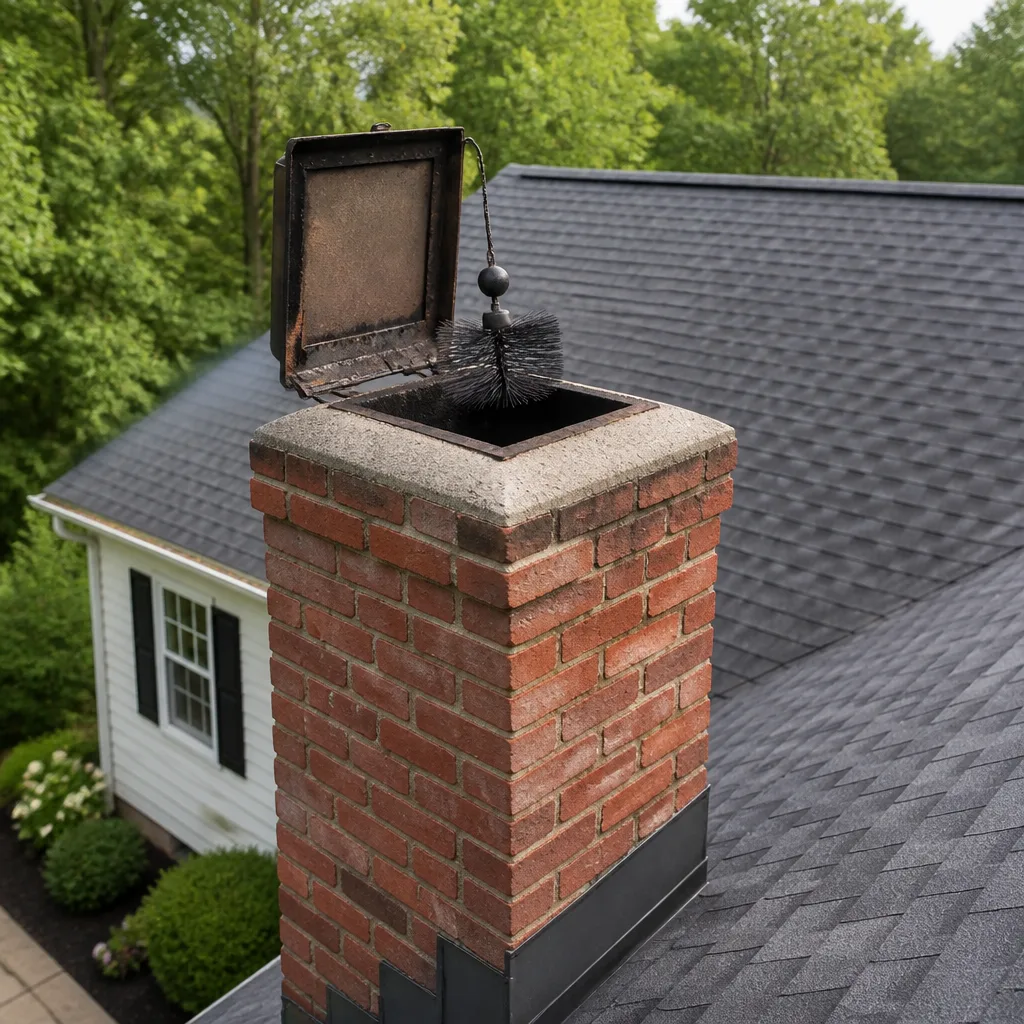 Sweep & inspection
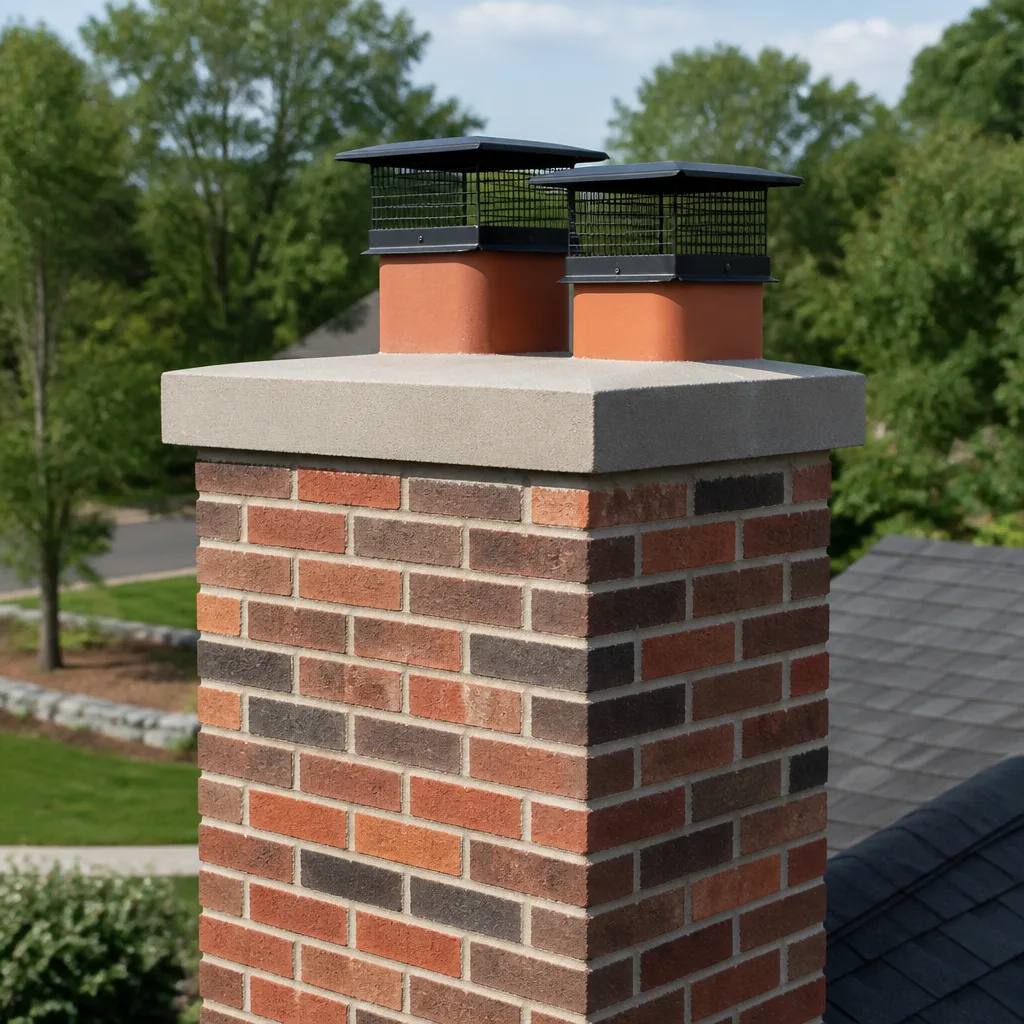 Caps & crowns
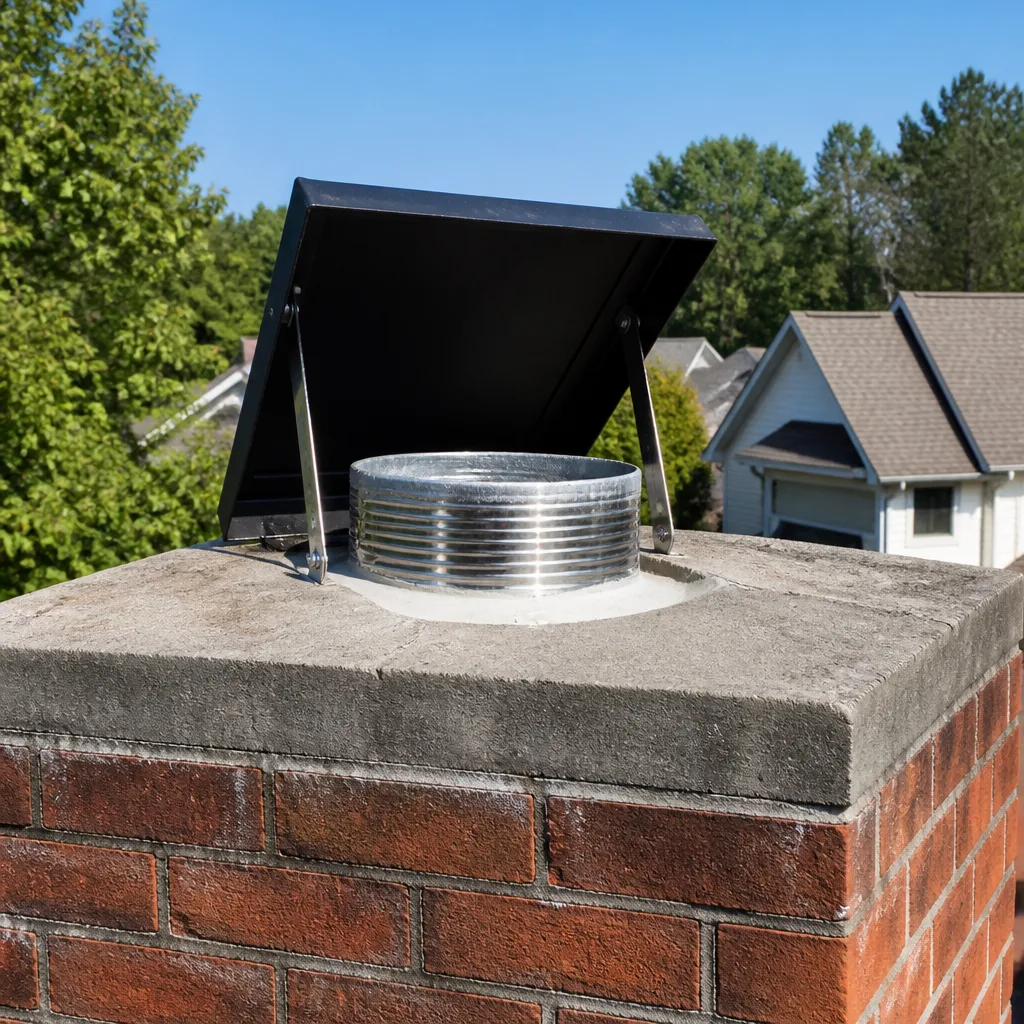 Flue relining
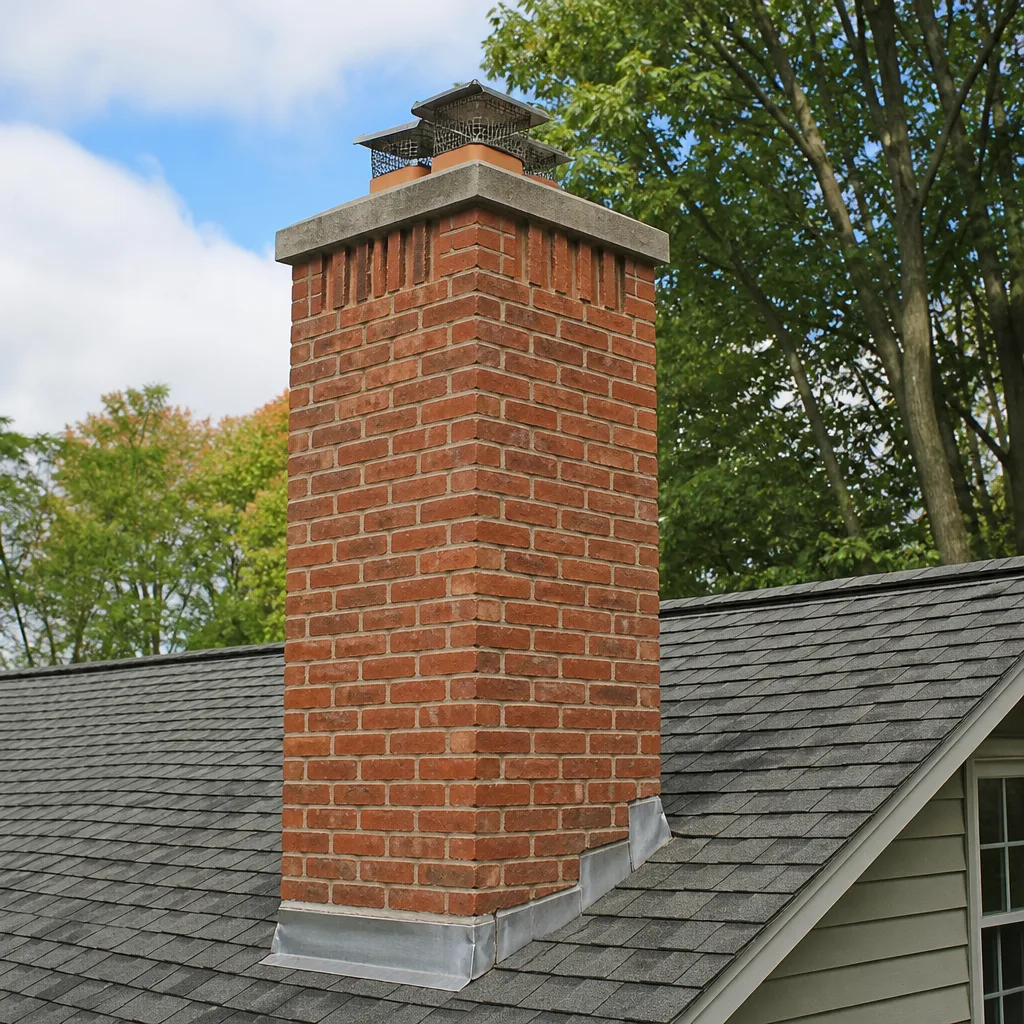 Masonry repair
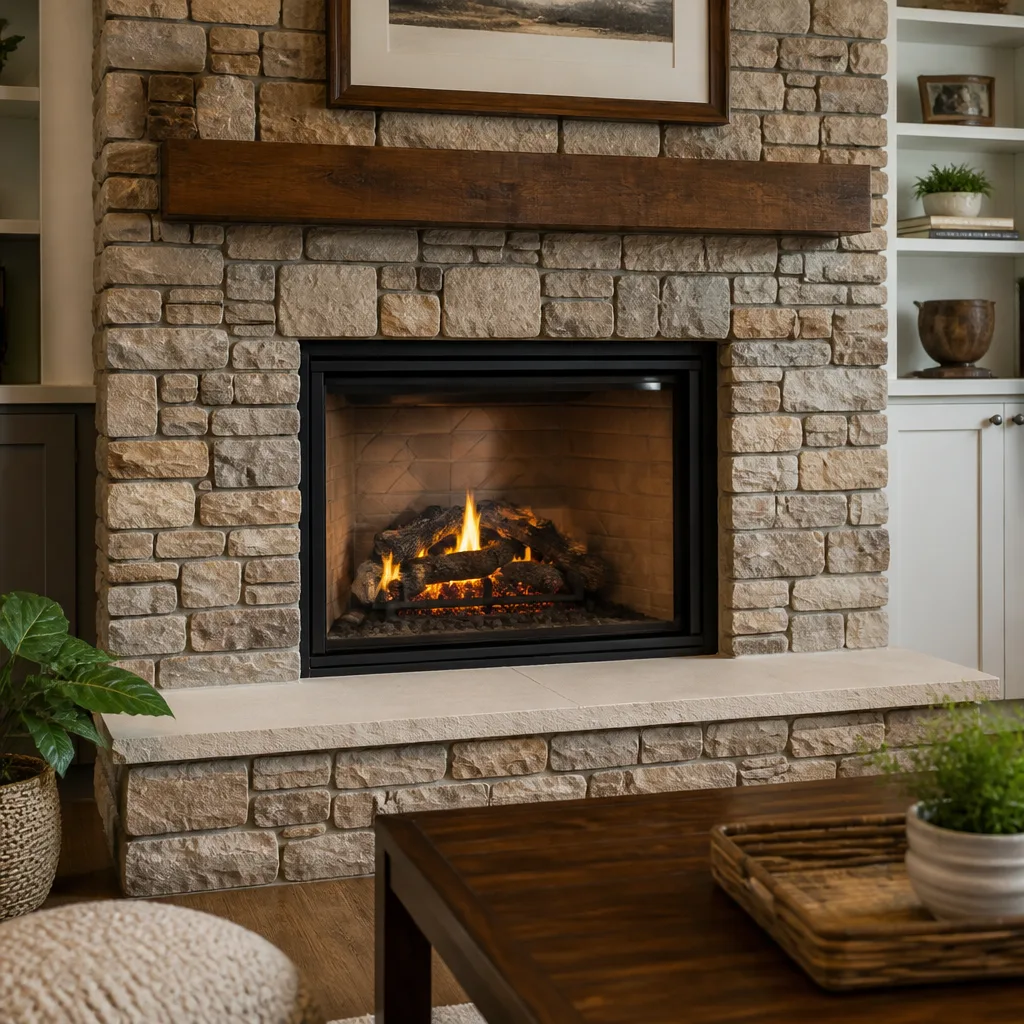 Gas fireplace service
Level 1 sweep and inspection to the NFPA 211 annual standard - flue, crown, cap, and flashing checked and photographed
Chimney sweep logs do not sweep chimneys. They loosen some creosote - which then falls where a brush and vacuum still have to collect it.
Chimney Sweep Troubleshooting: Common Problems and How to Fix Them
If your fireplace smokes into the room, the internet will tell you to open the damper wider. But in a modern energy-efficient home with tight weatherstripping and a range hood, the actual culprit is often negative air pressure, not the chimney at all. In Round Rock, where homes built after 2010 are sealed tighter than anything constructed in the 1980s, we’ve watched this exact misdiagnosis send homeowners down an expensive rabbit hole of flue repairs that never solve the problem. This guide walks through the most common chimney complaints we see across Round Rock and Williamson County, symptom by symptom, so you can describe the real problem accurately before a chimney sweep technician ever arrives.
Quick Answer
Most chimney problems fall into four buckets: smoke backdraft caused by negative air pressure, odors from creosote or moisture or animal intrusion, slow draw from an improperly sized firebox opening, and visible brick deterioration from water damage. The fix depends entirely on which root cause you’re dealing with, and guessing wrong can make the problem worse or create a carbon monoxide hazard. The fastest path is a camera inspection that shows the actual condition of the flue interior, followed by a repair targeted at what the camera reveals. For more guides & resources on diagnosing chimney issues, see our blog.
Styles & brands we work with
Table of Contents
- Symptom One: Smoke Backdraft Into the Room
- Symptom Two: Chimney Odors That Won’t Go Away
- Symptom Three: Slow Draw From a Masonry Fireplace
- Symptom Four: White Stains or Flaking on Exterior Brick
- DIY Fixes That Work vs. Fixes That Create Liability
- Common Mistakes to Avoid
- When to Call a Professional
- Frequently Asked Questions
Symptom One: Smoke Backdraft Into the Room
Smoke rolling into the living room when you light a fire is the most common complaint we hear from Round Rock homeowners, and it’s also the most frequently misdiagnosed. The instinct is to blame the chimney: “The flue must be blocked” or “The damper isn’t open enough.” Sometimes that’s correct. Other times, the chimney is perfectly fine, and the problem is the house itself.
Modern homes in Round Rock are built tight. Double-pane windows, spray-foam insulation, weatherstripped doors, and continuous vapor barriers all serve the HVAC system well, but they also starve a fire of combustion air. When you run a range hood, a bathroom exhaust fan, or even a clothes dryer during a fire, those appliances pull air out of the house. The fireplace then becomes the path of least resistance for replacement air, and smoke follows. This is negative air pressure backdraft, and it has nothing to do with flue blockage.
The One-Minute Test to Confirm Negative Pressure
- Turn off every exhaust appliance: range hood, bathroom fans, dryer, central vacuum.
- Open the nearest window to the fireplace by about two inches.
- Light a small piece of newspaper and hold it near the open firebox.
- If the smoke pulls into the chimney, negative pressure is your culprit.
- If the smoke still wanders into the room, the problem is in the flue itself.
When negative pressure is the issue, the fix isn’t a chimney repair. It’s a make-up air strategy or simply cracking the window during fires. When the flue is genuinely obstructed, the culprit is usually creosote buildup, a fallen brick, a bird nest, or a damper that has rusted partially shut. A camera inspection settles this in about ten minutes, which is why we never quote a repair based on symptoms alone. If you’re in Round Rock and you’ve been fighting smoke for more than one season, you’re past the guesswork stage and into the “look inside and see” stage, as we detail in The Complete Chimney Sweep Guide for Round Rock Homeowners.
Symptom Two: Chimney Odors That Won’t Go Away
Chimney odors are not all the same, and the distinction matters because the fix for one will not touch another. In our experience across Round Rock, there are three distinct smell profiles, and each points to a different root cause.
The Creosote Smell: Sharp, Acrid, Strongest After Rain or High Humidity
Creosote is the black, tar-like residue that builds up inside a flue when wood smoke cools and condenses. It smells like a combination of asphalt, burnt toast, and diesel. The smell intensifies when moisture enters the flue and reactivates the creosote. This is the smell that tells you the chimney is overdue for a sweep. The fix is mechanical cleaning with the right brushes, followed by an assessment of whether the creosote has progressed to a glaze that requires chemical treatment. This is not a homeowner repair; creosote glaze is combustible, and the wrong approach can worsen the problem.
The Animal Smell: Foul, Organic, Decaying, Usually Seasonal
Birds and squirrels and raccoons find chimneys irresistible for nesting, especially in Round Rock where chimney swifts arrive each spring. The smell is distinct: it’s organic, like damp fur and droppings and sometimes decomposition. It’s usually worst in spring and early summer when active nesting is underway. The fix is humane removal, then a cap installation to prevent re-entry. Famco produces caps we install regularly because their mesh sizing is correct for excluding chimney swifts while still maintaining proper draft. Note: chimney swifts are protected under federal law, and disturbing an active nest is illegal. If you hear chirping from your flue, wait until the birds have migrated before any work proceeds.
The Musty Smell: Damp, Earthy, Persistent Regardless of Season
This odor is water. Water entering the chimney soaks into the masonry, the mortar, and any liner insulation, producing a smell that’s somewhere between a wet basement and old leaves. It doesn’t disappear when you sweep the chimney because the moisture source is still active. The fix is identifying where water enters: a cracked crown, a damaged cap, failed flashing, or porous brick. The repair might be as simple as replacing a cap, or as involved as repointing mortar joints. What’s certain is that the smell will return until the water entry point is addressed.
Each of these odors responds to a different intervention. Guessing wrong means spending money on a sweep that doesn’t fix the smell, or a cap that doesn’t fix the smell, or a repointing job that doesn’t fix the smell. In Round Rock’s humid climate, we see a lot of moisture-related odor calls in late summer when humidity peaks, and those calls almost always trace back to a crown or flashing problem, not a dirty flue.
Symptom Three: Slow Draw From a Masonry Fireplace
A fireplace that draws, but weakly, is a different animal from one that backdrafts. Slow draw means smoke lingers at the top of the firebox, seeps out in wisps, and the fire never seems to burn with full vigor. The flue is pulling, but not enough.
One cause that gets overlooked everywhere, including Round Rock, is an oversized firebox opening relative to flue area. Older masonry fireplaces were often built with generous proportions because they were designed for large wood fires and wide-open rooms. A firebox opening that’s too large for the flue diameter creates a weak draft no matter how clean the chimney is. The fire can’t generate enough velocity to carry smoke up and out.
The fix, in many cases, is not a rebuild. A smoke guard, which is a metal bar installed at the top of the firebox opening, reduces the effective opening size and increases draft velocity. It’s a simple, inexpensive component made by manufacturers including Gelco and Olympia Chimney, and it installs in under an hour. We’ve installed smoke guards for Round Rock homeowners who’d been told by two different companies that they needed a $4,000+ flue relining, when what they actually needed was a $150 component and fifteen minutes of adjustment.
Other causes of slow draw include: a flue that’s technically adequate but coated in third-degree creosote, a damper that doesn’t open fully because of rust or warping, a cap that’s too restrictive, or a flue that extends too far above the roofline and cools the smoke before it can escape. Each has a different solution, and the only way to know is to measure and inspect.
Symptom Four: White Stains or Flaking on Exterior Brick
Homeowners call this “white stuff on the brick,” but the technical term matters because there are three distinct conditions, and they all look similar to an untrained eye.
Efflorescence: White, Powdery, Crystalline
Efflorescence is a salt deposit. Water moves through the brick, dissolves salts inside the masonry, and carries them to the surface. When the water evaporates, the salt stays behind as a white, fluffy residue. It brushes off relatively easily. Efflorescence is a symptom of moisture moving through the chimney, but not necessarily structural damage. It means water is getting in somewhere, and that entry point needs to be found and sealed. Left unaddressed, the moisture cycle continues, and efflorescence eventually graduates to spalling.
Spalling: Brick Face Flaking Off in Chunks
Spalling is physical deterioration. The brick surface flakes, pops, or falls away in pieces. This happens when water inside the brick freezes and expands, or when moisture plus heat cycling weakens the material. In Round Rock, freeze-thaw cycles are less severe than in the Northeast, but they still occur, especially in January and February. Spalling is structural damage. The brick is failing, and the fix is removing and replacing the damaged units, then addressing the moisture source that caused it.
Active Moisture Intrusion: Dark Stains, Streaks, or Moss Growth
If the white staining runs down from the crown or appears after rain, you’re seeing active water movement. This is often accompanied by interior wall stains near the chimney, musty odor, or visible condensation. The water is entering from above (a cracked crown or failed cap) or from the roofline (failed flashing). Copperfield flashing components are what we specify for replacement because their material holds up to the UV exposure and temperature swings of Central Texas.
The troubleshooting path is simple: brush off the white residue and feel the brick. If it’s powdery and the surface underneath is firm, you have efflorescence. If material has flaked away, you have spalling. If the staining is wet or streaked and follows a pattern from the top, you have active intrusion. Each requires a different repair, and conflating them leads to under- or over-repair. A camera inspection of the flue interior will also reveal whether the moisture has affected the liner, which is information you want before any masonry work begins.
DIY Fixes That Work vs. Fixes That Create Liability
There’s a real difference between a homeowner fix that’s appropriate and one that creates a carbon monoxide liability. Knowing where that line sits is part of troubleshooting your chimney correctly.
Fixes That Are Reasonable for a Capable Homeowner
- Replacing a chimney cap that has rusted through, provided the new cap is correctly sized and the installation doesn’t require flashing work. Brands like Famco sell caps designed for straightforward installation.
- Cleaning a dryer vent duct from the exterior termination point using a brush kit, provided the run is short and accessible, not on a second story, and not flex-duct buried in a wall cavity.
- Sweeping a lightly used, straight-flue masonry fireplace with a hand brush and proper fall protection, provided there’s no glazed creosote and the user knows what glazed creosote looks like. This applies only to straight, accessible flues.
- Installing a smoke guard, which mounts with screws into the firebox face. This is a component-level fix that addresses the oversized-opening problem described above.
Fixes That Should Not Be DIY Under Any Circumstance
- Anything that involves removing or re-attaching the chimney crown. A cracked crown is a structural repair, and the crack location relative to the flue liner matters in ways a visual inspection from the ground cannot reveal.
- Chemical creosote removal. The products have value in the right hands, but the wrong application can cause flue fires or leave a liner in worse condition than before. That’s an issue that compounds over subsequent fires.
- Repointing or rebuilding mortar joints. Repointing is not smearing fresh mortar over old. It requires cutting out the deteriorated material to the proper depth and filling with correctly mixed mortar. Done wrong, it traps moisture and accelerates deterioration.
- Chimney balloon installation without assessing the flue. A balloon left in place during a cold snap protects against drafts, but when someone forgets to remove it before lighting a fire, the result is a blocked flue and a house filling with smoke and carbon monoxide. This is not a hypothetical risk.
The through-line: if a DIY fix involves the flue interior, the combustion exhaust path, or any component that would be in contact with hot gasses, it’s a professional repair. In Round Rock, where homes range from 1970s construction with unlined masonry flues to new builds with factory-built chimneys, the age of your house changes what you should and shouldn’t attempt. A 1978 home with a terracotta liner has different DIY-safe tasks than a 2015 home with a manufactured chimney system.
Common Mistakes to Avoid
- Assuming a smoky fireplace means a dirty chimney. In Round Rock’s newer, tighter-built homes, negative air pressure from range hoods and exhaust fans causes smoke spills that a sweeping won’t fix. Diagnose the backdraft before booking a service you don’t need.
- Using creosote sweeping logs as a substitute for mechanical cleaning. These products loosen some creosote, but they cannot remove glazed third-degree deposits, and they provide no information about the condition of your liner. A sweep is both a cleaning and an inspection.
- Sealing off a fireplace permanently to “solve” the odor. A sealed flue with no ventilation traps humidity and accelerates masonry deterioration. The odor was a symptom; the sealed flue creates a new problem that costs more to fix later.
- Painting over efflorescence. Paint traps moisture behind the surface, and the salts push the paint off from behind. Address the water entry point first, then make aesthetic decisions.
- Calling an HVAC company for chimney work. HVAC technicians are not trained in chimney codes, draft mechanics, or corrosion patterns. It’s a different trade with different certifications, and we’ve repaired work in Round Rock homes that an HVAC company “handled” first.
- Ignoring the dryer vent while fixing the chimney. The National Fire Protection Association consistently identifies dryer vent fires as a leading household combustion hazard. Round Rock homeowners who call us for a chimney sweep often have a dryer vent that hasn’t been cleaned in years, and we can handle both in one visit. Dryer vent cleaning in Round Rock is a companion service, not an afterthought.
- Waiting until burning season to address a problem spotted in the spring. Round Rock’s fall is when everyone schedules, and lead times stretch. A problem identified in April is easier and cheaper to fix in May than in November. The chimney is waiting either way.
When to Call a Professional
A troubleshooting guide has an honest limit, and you should know where it is. Call a professional if you see smoke entering the room during a fire that used to draw fine, if you smell a persistent odor that doesn’t match any of the three profiles described above, if you see daylight through the chimney from inside the firebox, if the exterior brick is flaking or the chimney leans visibly, if you hear animal sounds from the flue, or if you haven’t had a camera inspection in over three years. These are not maintenance items; they’re diagnostics. A camera inspection shows you exactly what’s happening inside the flue and takes the guesswork out of the correction. Chimney sweep service in Round Rock includes that inspection as part of the visit, and you’ll see the images yourself. Boardwalk Chimney Sweep offers free estimates in Round Rock, call (877) 274-1247.
Frequently Asked Questions
A standard chimney sweep in Round Rock typically runs between $180 and $340 depending on flue type, accessibility, and the degree of creosote buildup. Masonry fireplaces with a single straight flue sit at the lower end; factory-built chimneys or multiple flues push toward the higher end. Glazed creosote that requires chemical treatment adds to the total. For an exact quote on your chimney, call (877) 274-1247 and we’ll give you a clear number based on your fireplace type, no home visit required for most standard configurations.
You need a new liner if the camera inspection shows a crack, gap, or separation in the current liner that could allow combustion gasses into wall cavities or living spaces. You don’t need a new liner if the flue is dirty but intact, if there’s creosote buildup that cleans off, or if the only finding is minor surface wear. We work with HeatShield resurfacing in cases where the liner is damaged but the structure is sound, because full replacement isn’t always necessary. That’s a distinction a camera inspection makes, and it should be made with images you can see yourself. Nothing gets recommended without visual evidence.
The National Fire Protection Association standard is to sweep when creosote accumulation reaches 1/8 inch, regardless of time since the last sweep. For a Round Rock home where the fireplace is used weekly during the October-to-March burning season, that typically means an annual sweep. A fireplace used occasionally, say a dozen fires per year, might go two years between cleanings. A gas fireplace with a vented log set needs less frequent sweeping but still benefits from an annual visual check because dust and debris accumulate even without wood fires.
Creosote builds up inside the flue. If it reaches a thick enough layer, a hot fire can ignite it, and a chimney fire burns at temperatures high enough to crack tile liners, warp metal liners, and in severe cases, catch the surrounding structure. Even short of a chimney fire, thick creosote restricts draft, which is the slow-draw problem described above. Skipping a sweep for several seasons is a bet that your fire never gets hot enough to ignite the accumulation, and it’s a bet people lose every winter somewhere in Williamson County. A clean flue is a controlled burn. Call (877) 274-1247 to schedule yours before the weather turns.
You can remove loose soot from a straight, accessible masonry flue with a hand brush and reasonable fall protection. What you cannot do is assess whether the liner behind that soot has cracked, whether the creosote has glazed, or whether the flashing above the roofline is compromised. A homeowner brush and a professional sweep look similar only on the surface; the difference is the training to interpret what the brush reveals. The same goes for dryer vent cleaning: a homeowner can clear a short straight run with a brush, but a long or multi-story vent needs professional equipment and air-volume verification. If you’d rather have it done right the first time, dryer vent cleaning in Round Rock is one call, and we’ll handle the chimney in the same visit.
Summer humidity and heat in Round Rock reactivate creosote residue inside the flue, and the smell wafts down into the house, especially on hot still days when there’s no air movement to dissipate it. The odor is strongest when the air conditioning is running because the house becomes a low-pressure zone and pulls air down the chimney instead of up. A chimney sweep removes the creosote that produces the odor, and a top-sealing damper can prevent the airflow that carries it inside. This is one of the most common calls we take in July and August, and the fix is typically a sweep plus a damper adjustment, not a liner replacement.
The Bottom Line
Chimney troubleshooting is a symptom-first process, and the symptoms described here, smoke backdraft, odors, slow draw, and brick deterioration, each have multiple possible root causes that require different fixes. In Round Rock, where tight new construction and older masonry chimneys coexist within a few miles of each other, the same complaint can point to completely different diagnoses depending on the house. The only way to move from guesswork to a working fireplace is to look inside the flue with a camera and target the actual problem. If you’ve been fighting smoke or odors for more than one season, you’ve spent enough time troubleshooting. Call Boardwalk Chimney Sweep at (877) 274-1247 for a free estimate. We repair what we inspect.
Written by the team at Boardwalk Chimney Sweep, serving Round Rock since 2011.
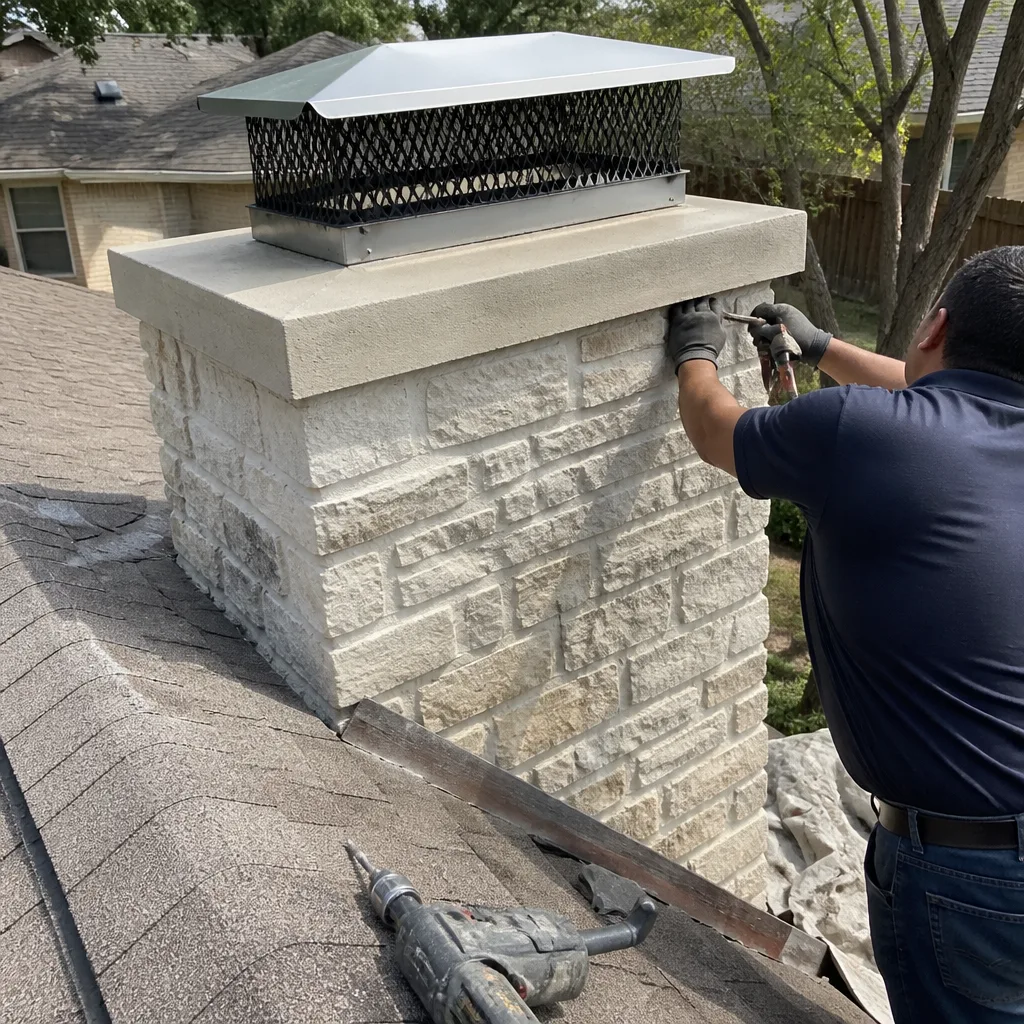
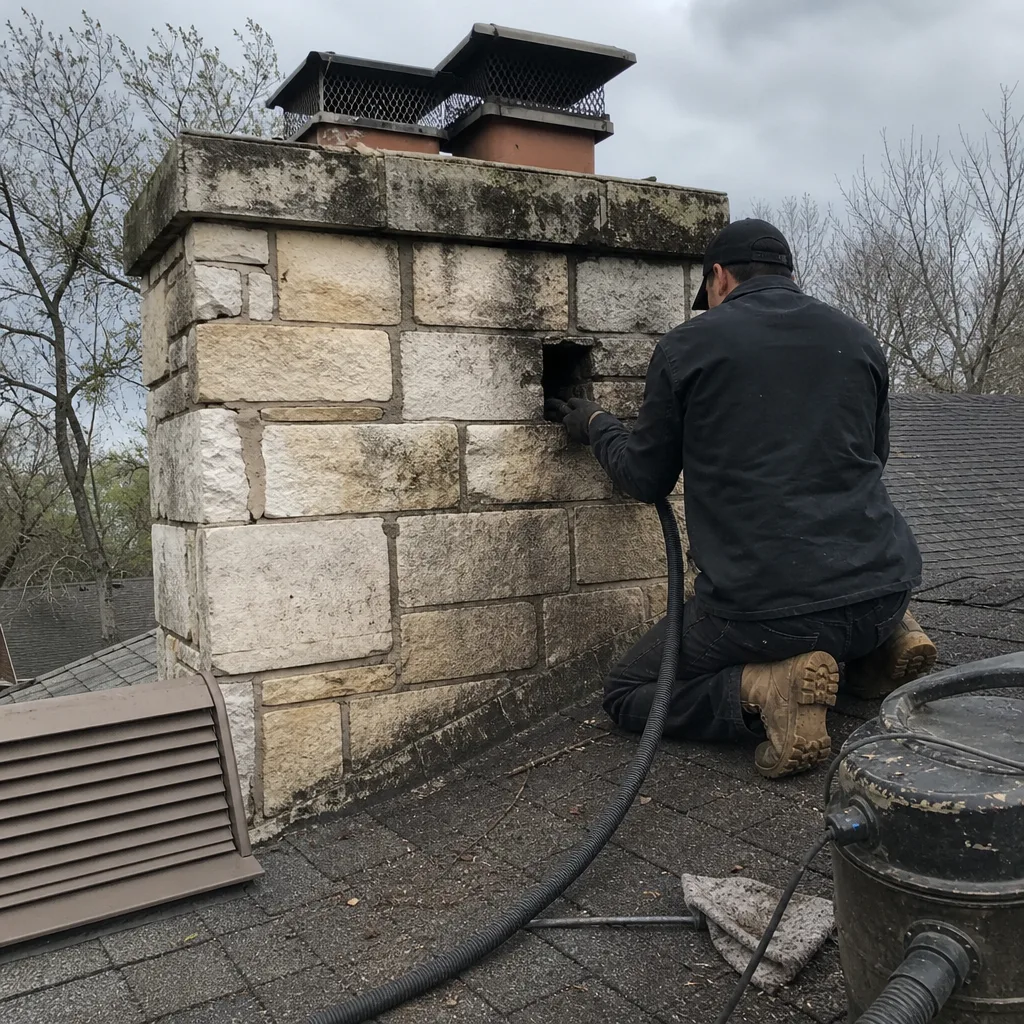
See the difference
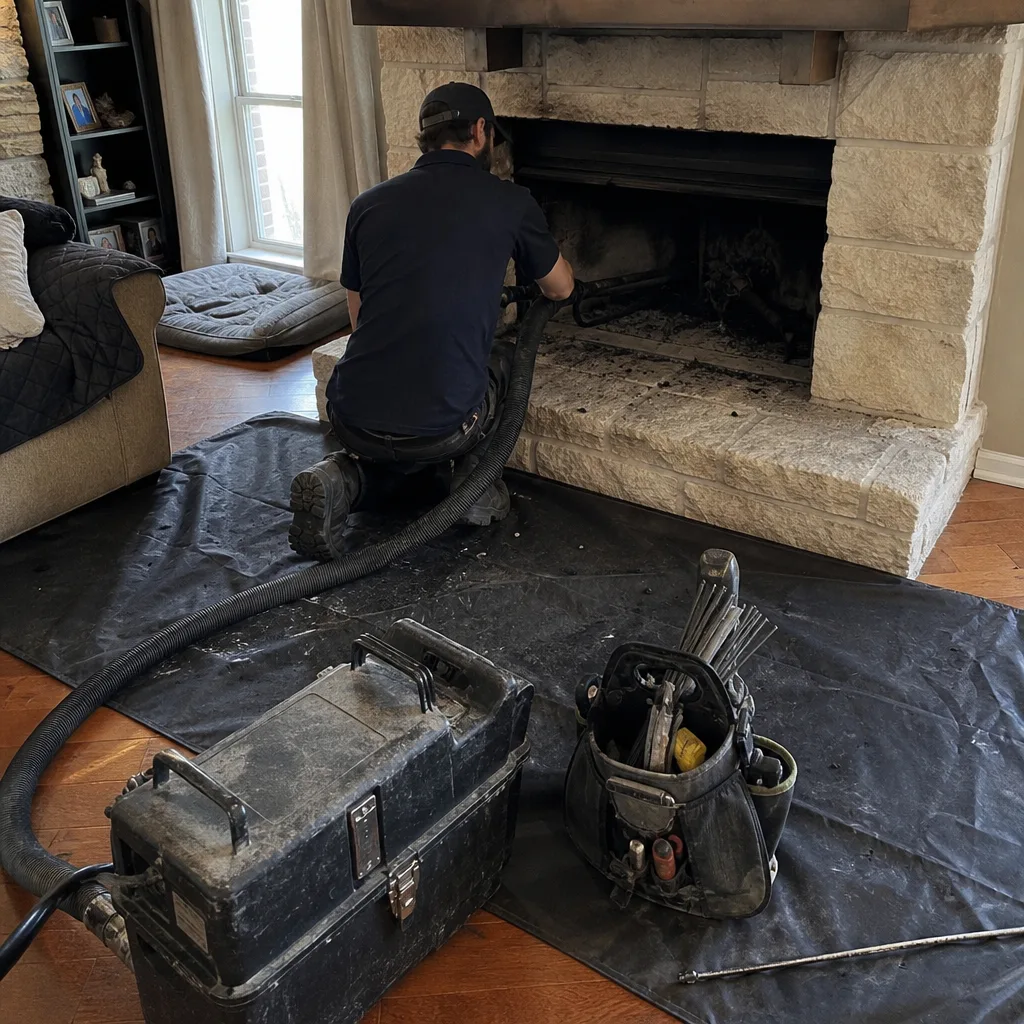 Before
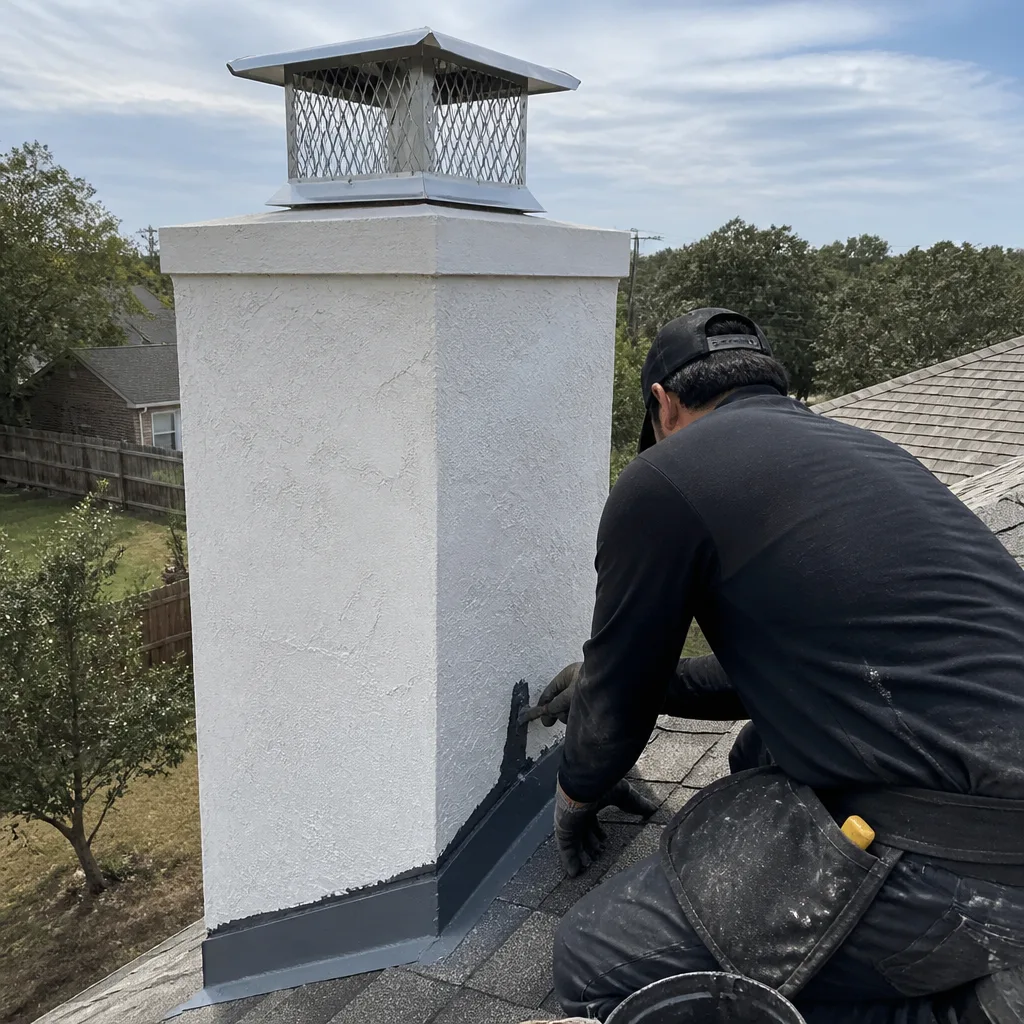 After
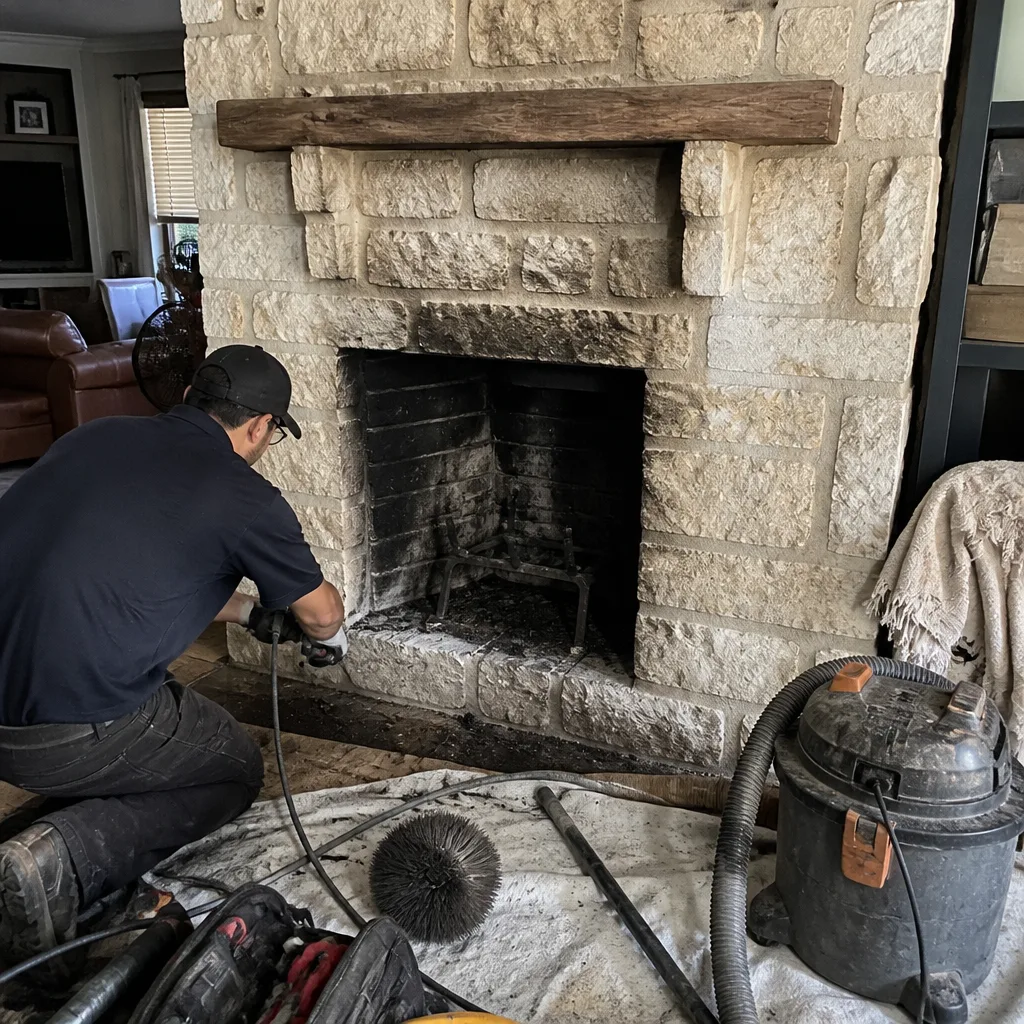 Before
 After
 Before
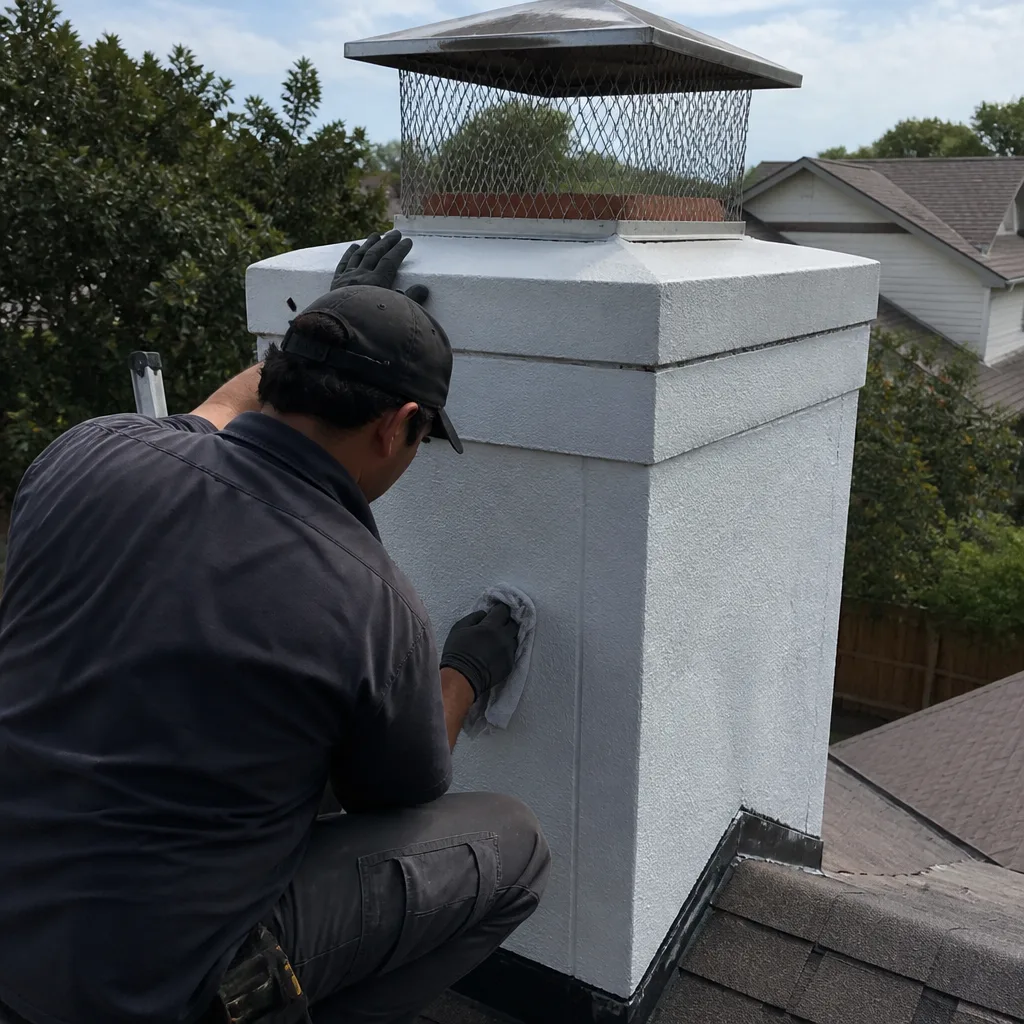 After