Last updated October 31, 2026
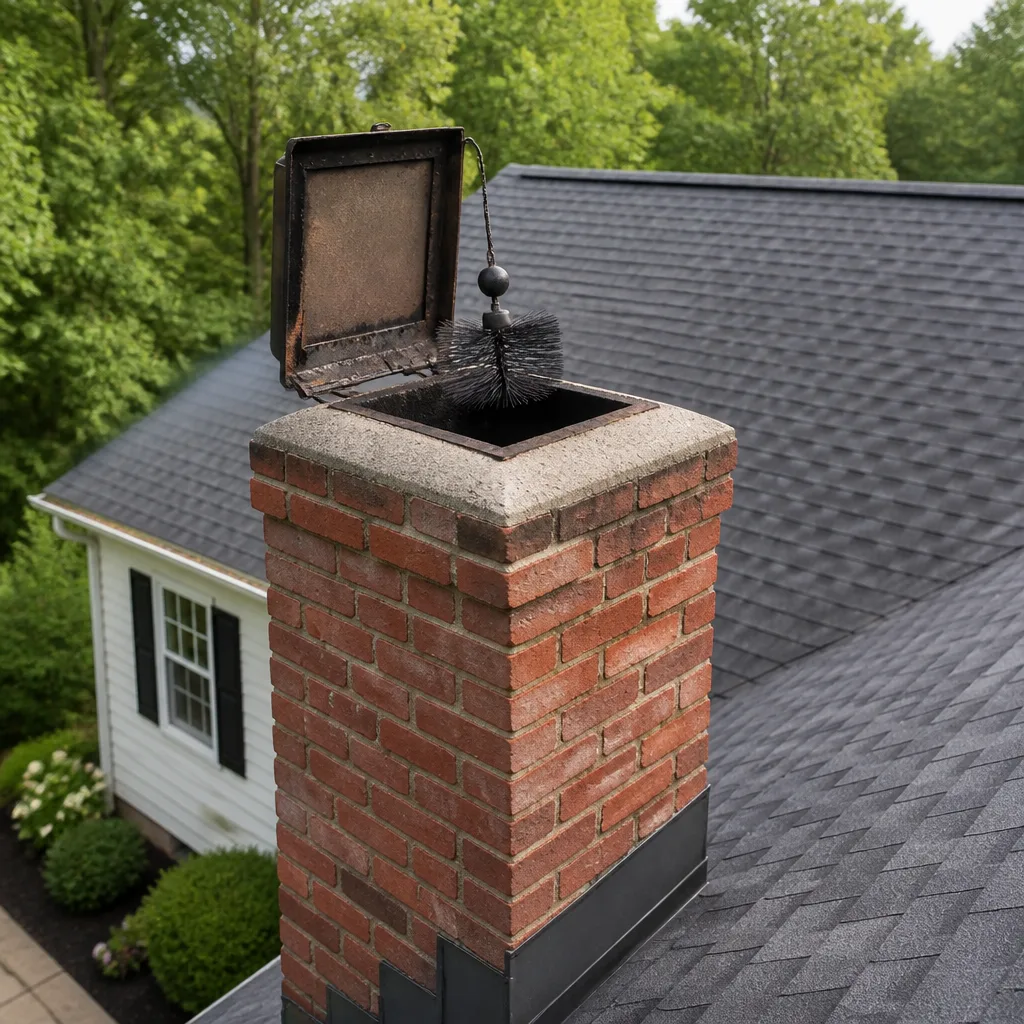 Sweep & inspection
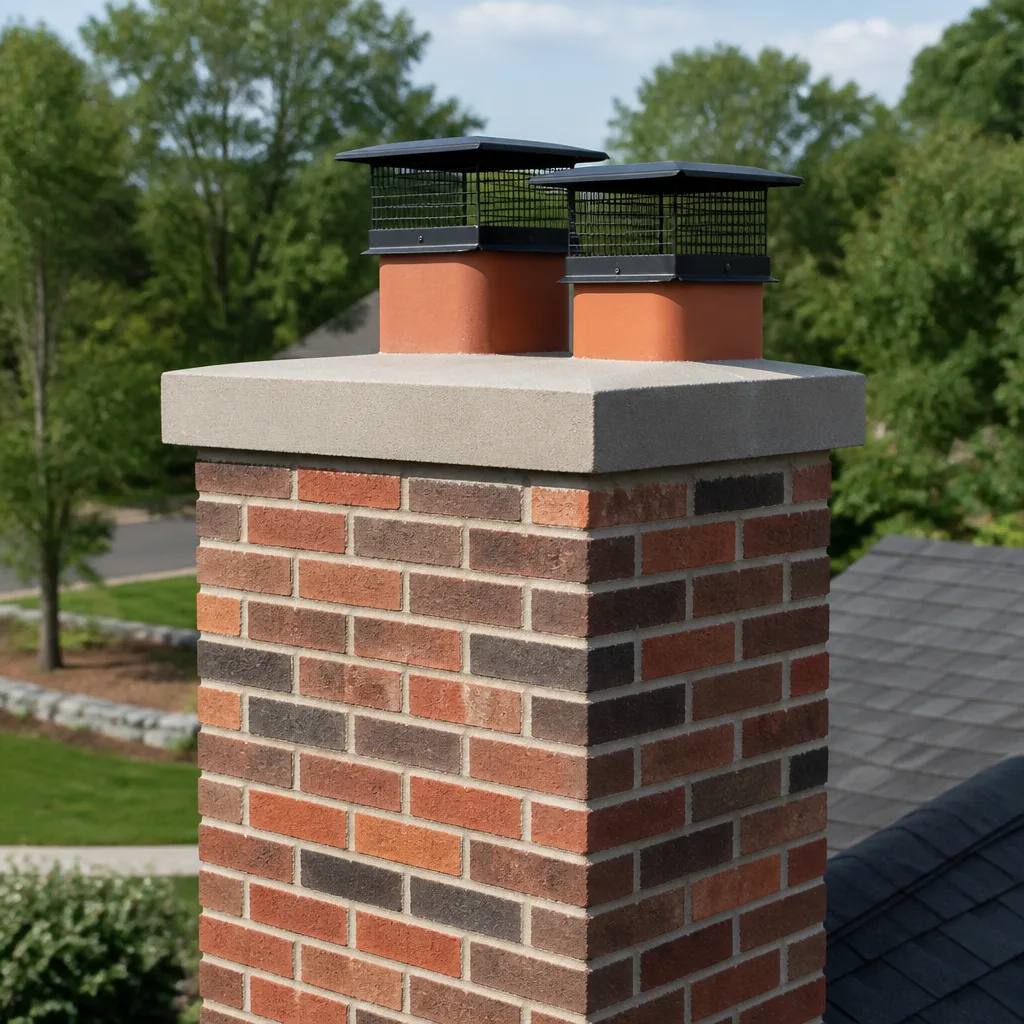 Caps & crowns
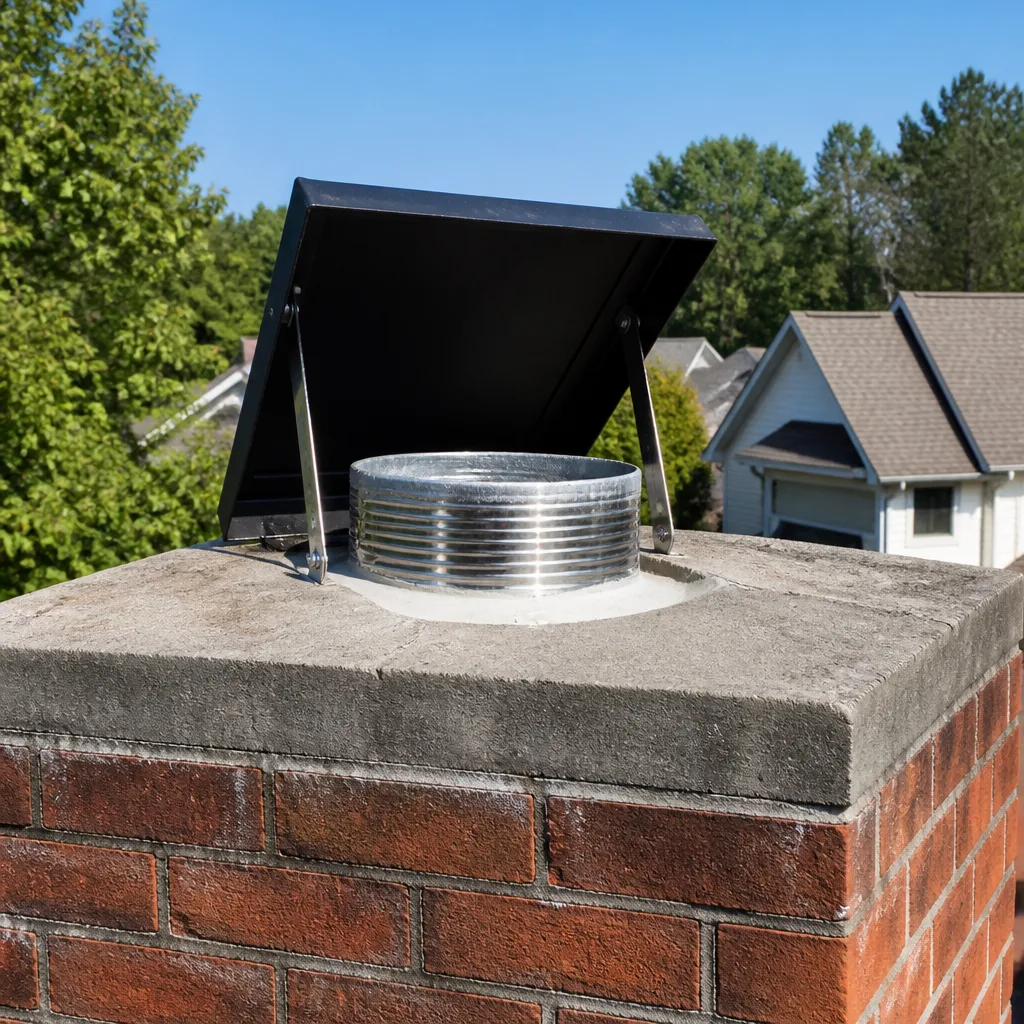 Flue relining
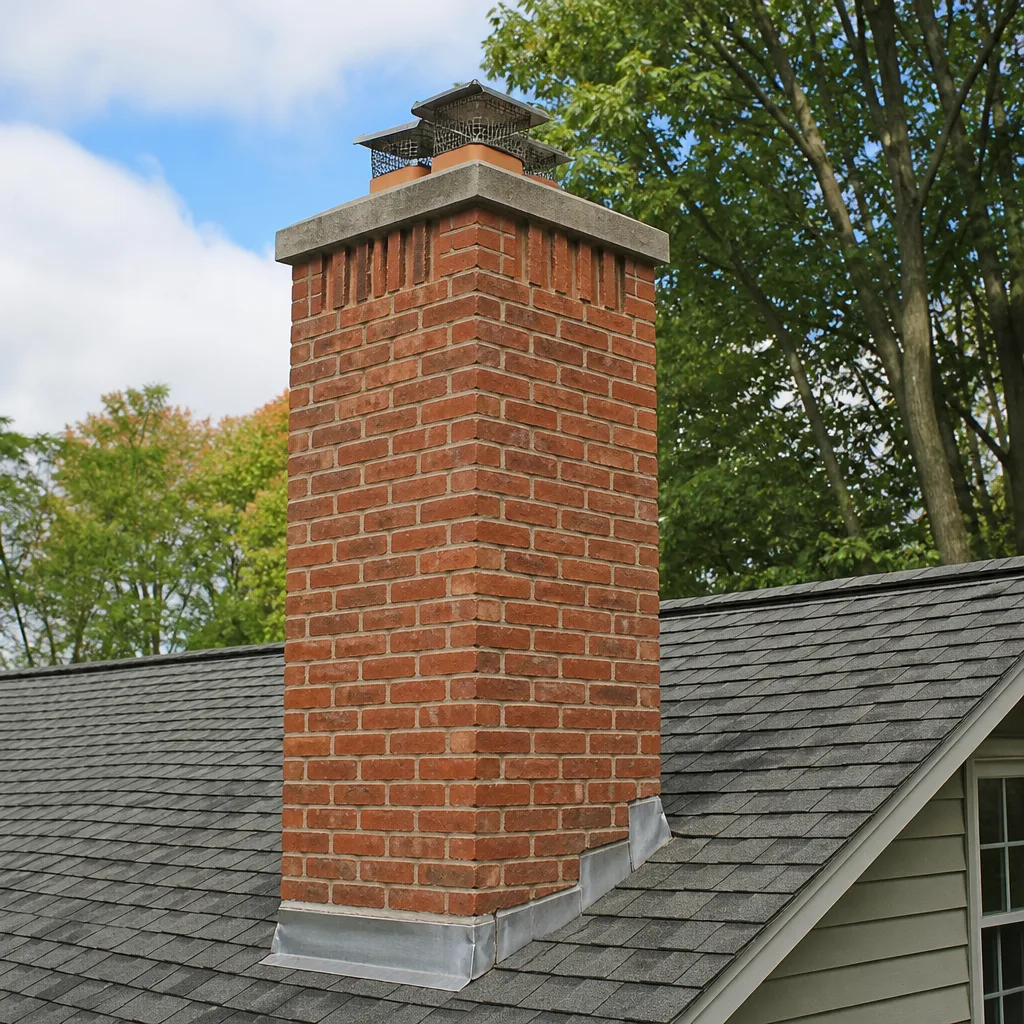 Masonry repair
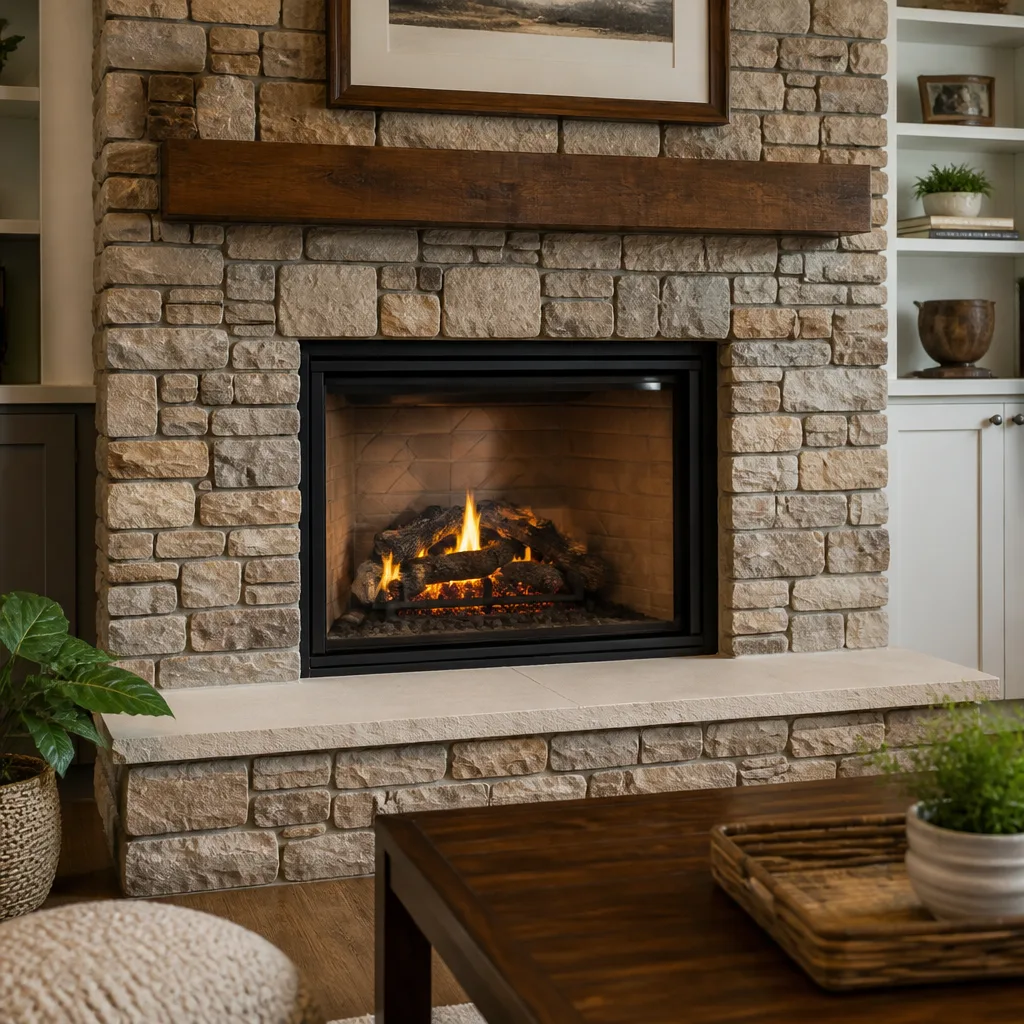 Gas fireplace service
Level 1 sweep and inspection to the NFPA 211 annual standard - flue, crown, cap, and flashing checked and photographed
Chimney sweep logs do not sweep chimneys. They loosen some creosote - which then falls where a brush and vacuum still have to collect it.
Choosing the Right Chimney Cleaning Brand: A Buyer’s Guide for Round Rock
Most homeowners in Round Rock spend more time researching which lawn fertilizer to buy than which materials will go inside their chimney. That’s backwards. The brand of liner system, crown sealant, or waterproofing your chimney technician pulls off the truck has more impact on how long the repair lasts than the name painted on the side of the van. This guide explains which product brands actually matter, why they matter in Central Texas specifically, and how to ask your sweep about them by name. For DIY vs Professional Chimney Cleaning: The Round Rock Homeowner’s Decision Guide, see our related resource. By the time you finish, you’ll know more about chimney material selection than most people who sell chimney services.
Styles & brands we work with
Quick Answer
The right chimney cleaning brand in Round Rock comes down to the product brands your technician uses (see our Complete Guide to Chimney Cleaning in Round Rock for context): 316L stainless liner systems like DuraFlex for gas appliances, 304 stainless for wood-burning, HeatShield Cerfractory compound for liner restoration, and professional-grade crown sealants like CrownCoat rather than hardware-store caulk. A quality sweep should name these products immediately when asked. If they say “we use whatever the supply house has,” that’s your signal to keep looking.
Table of Contents
- Why Product Brands Matter More Than Company Names
- Liner Systems: 304 vs 316 Stainless and Why the Difference Matters in Round Rock
- HeatShield Cerfractory: What It Is and When It Beats Full Relining
- Crown Sealants: Why Hardware-Store Caulk Fails in Texas Freeze-Thaw Cycles
- ChimneySaver vs Generic Waterproofers: The Vapor-Permeability Difference
- 7 Questions to Ask Any Round Rock Chimney Company About Their Materials
- Common Mistakes to Avoid
- When to Call a Professional
- Frequently Asked Questions
- The Bottom Line
Why Product Brands Matter More Than Company Names
Your chimney sweep’s company name tells you almost nothing about the quality of the repair, but the brand of liner system, crown sealant, or waterproofing they specify tells you everything about how long the work is going to hold up in Central Texas heat. In Round Rock, we deal with a specific set of conditions: brutal summer sun that bakes masonry, sudden winter cold snaps that cause freeze-thaw expansion, and cedar pollen that accumulates in flues faster than most homeowners expect. These conditions punish cheap materials quickly. A crown repair done with acrylic caulk from a big-box store might look fine in March and fail by August. The same repair done with a professional-grade elastomeric sealant survives for years because it flexes instead of cracking.
When we talk about Boardwalk Chimney Sweep home services, we’re really talking about material selection. The technician who shows up with Olympia Chimney components, Famco caps, or Copperfield chase covers is carrying the same inventory a large commercial operation would specify. That’s the standard Round Rock homeowners should expect. The technician who shows up with a generic brush and whatever caulk was on sale at the hardware store is offering a different service entirely, even if both call themselves “chimney sweeps.”
Here’s the practical point: you’re not buying a sweep. You’re buying an outcome, and the outcome is determined by materials. A chimney that’s swept with professional equipment and repaired with manufacturer-recognized components lasts longer between services. That’s the whole game. In our experience, the homeowners who ask about brands before booking are the ones who end up with the best long-term results, because the question itself filters out the operations that don’t carry professional inventory.
Think of it like this: if you were getting a roof replacement, you’d want to know whether they’re using a 30-year architectural shingle or the cheapest three-tab they could find. The contractor’s logo doesn’t tell you that. The product does. Same principle here, except your chimney is directly connected to your house’s most expensive asset and your family’s fire safety. The stakes are at least as high.
Liner Systems: 304 vs 316 Stainless and Why the Difference Matters in Round Rock
Stainless steel chimney liners come in two primary alloys: 304 and 316. The difference is molybdenum, an element added to 316 stainless that makes it dramatically more resistant to corrosion from acidic condensate. Here’s the part most Round Rock homeowners never hear: wood-burning fireplaces produce creosote, but gas appliances produce acidic moisture that sits inside the flue and eats away at the liner over time. A gas fireplace or gas water heater vented through a chimney should almost always use 316L stainless. A wood-burning fireplace can typically use 304 stainless because the temperatures are higher and the acidic condensate is less of a factor.
This distinction is not academic. In Round Rock, where many newer homes have gas log sets or gas fireplaces, we regularly inspect flues where a previous contractor installed a 304 liner for a gas appliance. The liner starts showing corrosion pitting within a few years. The homeowner is told the liner failed and needs replacement, when the actual problem was spec selection from day one. If you’re having a liner installed for a gas appliance, ask directly: “Are you installing 316L or 304?” A professional who knows their materials will answer immediately and explain why. A vague answer means they may not understand the chemistry well enough to spec the right product.
DuraFlex is one of the major manufacturer brands for flexible stainless liner systems, and it’s what many professional chimney companies in Texas specify when relining a chimney in Round Rock. Flexible liners matter for Round Rock homes because many chimneys here have offsets, bends, or unusual flue configurations that make rigid systems impossible to install without major demolition. A flexible DuraFlex liner can be pulled through those offsets and fitted to the existing flue, which keeps the project cost and disruption much lower than it would otherwise be.
Gauge matters too. Thinner liners are harder to inspect, more prone to damage during installation, and shorter-lived. A quality chimney company will specify the gauge and alloy on the quote. If the quote just says “stainless liner,” that’s a red flag. You want to see “316L stainless, X gauge, [brand name].” That level of specificity tells you the contractor knows what they’re doing and isn’t shopping for the cheapest possible option at the supply house.
For Round Rock homeowners with gas fireplaces, this information directly impacts the lifespan of the repair. A properly specified 316L liner should last for decades. A 304 liner on a gas appliance may develop problems in five to ten years. The price difference between the two alloys is not enormous, but the lifespan difference is. When you get a quote, make sure you’re comparing apples to apples on the alloy specification.
HeatShield Cerfractory: What It Is and When It Beats Full Relining
HeatShield is a Cerfractory resurfacing compound designed to restore damaged chimney flues without requiring a full stainless liner replacement. It’s applied as a coating to the inside of the existing flue, filling cracks, gaps, and deteriorated mortar joints, then cured into a smooth, heat-resistant surface that restores the flue’s structural integrity and fire safety. In Round Rock, where many homes were built 20 to 40 years ago, the original clay tile liners are often cracked from settling, thermal stress, or freeze-thaw damage. HeatShield can extend the life of those flues significantly at a fraction of the cost of a full relining.
The key phrase there is “can.” HeatShield is not appropriate for every situation. A flue with extensive structural damage, missing tiles, or severe misalignment may need a full stainless liner installation instead. The point is that a professional chimney company should be able to evaluate the flue and recommend the right solution, not default to whichever option makes them more money. HeatShield’s specific advantage is that it’s applied directly to the existing flue, preserving the original dimensions and avoiding the need for demolition or major structural work.
How to verify a contractor is using actual HeatShield product and not a cheaper substitute: ask if they’re HeatShield-certified, and ask to see the product container or documentation. HeatShield is a specific, proprietary compound with specific installation requirements. A contractor who says “yeah, it’s basically the same as that other stuff” is not applying the actual product. There are cheaper refractory coatings on the market, and they do not perform equivalently. The certification matters because HeatShield requires training to apply correctly; it’s not a product you can buy at a home improvement store and figure out on the job site.
Boardwalk Chimney Sweep uses HeatShield because it’s the most widely specified flue-resurfacing system in the chimney industry, and because it works well in Round Rock’s climate. The compound handles the thermal cycling of Texas weather, from summer heat to winter cold snaps, without cracking or delaminating when applied correctly. For homeowners with cracked clay tile liners but no need for full relining, Chimney Repair in Round Rock can often be completed with HeatShield in a single visit, restoring the flue to safe operating condition without the cost and disruption of a liner replacement.
One thing to watch: not every chimney company in Round Rock offers HeatShield. Many sweep-only operations don’t carry the certification or equipment. That’s fine if your chimney only needs a sweep, but if an inspection reveals flue damage, you’ll be bounced to another contractor for the repair. That’s the split between a maintenance-only company and a full-service operation. A full-service company can diagnose the issue and handle the repair in the same engagement, which is more convenient and often cheaper in the long run because you’re not paying for duplicate diagnostics.
Crown Sealants: Why Hardware-Store Caulk Fails in Texas Freeze-Thaw Cycles
The chimney crown is the concrete slab at the top of the chimney that keeps water out of the structure. When it cracks, water gets in, and in Round Rock’s freeze-thaw cycles, that water freezes, expands, and makes the cracks worse. The repair material matters enormously. Hardware-store masonry caulk is rigid once cured. It doesn’t move with the chimney. When the masonry expands in the summer heat and contracts in the winter, the caulk loses its bond and the crack reopens, usually within a year or two.
Professional-grade crown sealants like CrownCoat are engineered differently. They’re elastomeric, which means they stretch and flex with the masonry rather than cracking. They’re also designed to bond specifically to concrete and brick surfaces, and they’re formulated to handle the thermal range that Texas chimneys experience. The difference in lifespan is huge: a caulk repair might last 18 months. A CrownCoat repair should last for many years. The cost difference is modest, but the cost difference between doing the repair once versus doing it every two years is significant.
This is one of the clearest examples of why product brands matter. Both materials are available in Round Rock. The big-box store sells masonry caulk. Professional chimney supply houses carry CrownCoat and similar products. A homeowner can’t tell the difference after installation; both look like a gray sealant on the crown. The difference only shows up over time, when one fails and the other doesn’t. If you’re getting a crown repair, ask what product they’re using. If they say “we use a professional-grade sealant,” ask for the brand name. “CrownCoat,” “ChimneyRx,” or another recognized product is a good sign. “Whatever the hardware store has” is not.
Where this matters most in Round Rock: older homes in neighborhoods like Forest Creek, Brushy Creek, and parts of Teravista. These chimneys have been through 20-plus years of weather exposure, and the crowns are showing it. The freeze-thaw cycle, even in Central Texas where hard freezes are less common than up north, still takes a toll over a decade or two. A crown sealed with the right product resists that cycle. A crown sealed with the wrong product accelerates it.
ChimneySaver vs Generic Waterproofers: The Vapor-Permeability Difference
Waterproofing a brick chimney is not the same as waterproofing a deck or a concrete driveway. Brick is porous. It absorbs water. But it also needs to release that water as vapor, because if moisture gets trapped inside the brick, freeze-thaw cycles will cause spalling and deterioration from the inside out. The wrong waterproofing product seals the brick completely, trapping moisture and making the problem worse. This is the single most common mistake we see in Round Rock chimney waterproofing projects done by general contractors.
ChimneySaver is the most recognized professional chimney waterproofing product in the industry, and the reason is simple: it’s vapor-permeable. Water beads up on the surface and can’t penetrate, but water vapor inside the masonry can still escape. It’s a one-way barrier. Generic waterproofers, including many silicone-based products sold for general masonry use, are often not vapor-permeable. They seal the brick entirely, and any moisture already in the structure gets locked in. Over time, especially in Round Rock’s wet springs and summer thunderstorms, that trapped moisture causes the brick face to spall and deteriorate.
The technical spec to look for is vapor permeability. ChimneySaver is specifically formulated for chimney masonry and has documented vapor-permeability ratings. A quality chimney company in Round Rock will use a product like ChimneySaver or another professional chimney-specific waterproofing product, not a generic sealer from a paint store. When you ask about waterproofing, the answer you want is a specific product name and an explanation of why that product is appropriate for the masonry type and climate. The answer you don’t want is “it’s waterproof, it’ll be fine.”
In our experience, waterproofing is one of the most misunderstood services in the chimney industry. It’s also one of the most valuable. A properly waterproofed chimney in Round Rock will resist water penetration for years, preventing the freeze-thaw damage that leads to crown cracks, spalling brick, and liner deterioration. It’s a preventive measure, not a cosmetic one. That said, waterproofing should never be applied to a chimney with existing moisture problems without addressing those problems first. Sealing a wet chimney is worse than not sealing it at all.
7 Questions to Ask Any Round Rock Chimney Company About Their Materials
This is the section to bookmark. If you’re comparing chimney companies in Round Rock, these questions will tell you more about the quality of the work than any review or marketing claim. A confident, specific answer in 10 seconds is what you’re looking for. A vague or defensive answer is your signal to call someone else.
- “What brand of stainless liner do you install, and what alloy do you spec for gas versus wood?” The right answer names a manufacturer (like DuraFlex), specifies the alloy difference (316L for gas, 304 for wood), and explains why. A shrug or “whatever the customer wants” is a fail.
- “Do you use HeatShield for flue resurfacing, and are you certified to apply it?” If the company doesn’t offer HeatShield or an equivalent flue-resurfacing system, they’ll default to full relining whether it’s needed or not. HeatShield certification is verifiable and specific.
- “What crown sealant do you use? Is it elastomeric?” The right answer is a specific product like CrownCoat that’s designed for chimney crowns. Hardware-store caulk is not an acceptable answer. Elastomeric is the key word.
- “What waterproofing product do you apply to brick, and is it vapor-permeable?” ChimneySaver or an equivalent chimney-specific product with documented vapor permeability is the standard. Generic sealers are a red flag.
- “Do you stock these products on your truck, or do you buy per job?” A company that stocks professional-grade materials carries them because they use them constantly. A company that buys per job may be buying whatever is cheapest that day. Neither answer is definitive on its own, but combined with the other questions, it tells you a lot.
- “Can you show me the product labels or containers before you start?” Any professional should be willing to do this. The products are the work. If there’s resistance, there’s a reason.
- “Do you handle the full repair-to-maintenance cycle, or do you subcontract repairs?” A company that sweeps, inspects, and repairs with the same crew gives you one point of accountability. A company that sweeps and then refers you to someone else for repairs means you’re managing multiple contractors and paying for multiple diagnostics.
These questions are not confrontational. They’re basic due diligence, the same way you’d ask a roofer what shingle brand they install or a painter what paint line they use. A good contractor expects these questions and answers them gladly. A bad contractor hopes you never ask.
Common Mistakes to Avoid
- Choosing based on the lowest quote without comparing material specifications. Two quotes for “chimney liner installation” in Round Rock can differ by hundreds of dollars because one specs a 316L liner from a recognized manufacturer and the other specs the cheapest 304 liner available. The cheaper quote is often the more expensive one over time.
- Accepting “we use professional-grade products” as an answer. That phrase means nothing. Professional-grade covers everything from CrownCoat to whatever was on sale at the supply house. Ask for brand names.
- Skipping the camera inspection. In Round Rock, many chimneys hide damage behind years of soot and creosote. A sweep that doesn’t use a camera can’t see cracked flue tiles or deteriorating mortar joints. A proper inspection includes photographic evidence you can see yourself.
- Treating waterproofing as optional. Round Rock’s freeze-thaw cycles and heavy spring rains make waterproofing one of the highest-value preventive services for brick chimneys. Skipping it to save a few hundred dollars often leads to thousands in masonry repair.
- Using a sweep-only company for a chimney that needs repairs. If the inspection reveals flue damage, a sweep-only operation will send you to another contractor. You’ll pay for a second diagnostic visit and lose time. A full-service operation handles it in one engagement.
- Falling for “certified” without knowing what the certification covers. A chimney sweep certification may cover sweeping procedures but not liner installation or HeatShield application. Ask what the certification is and what it covers.
- Ignoring the dryer vent. In Round Rock, the same homes with fireplaces often have dryer vents that haven’t been cleaned in years. The two fire hazards share common causes: lint and creosote accumulation. Dryer Vent Cleaning in Round Rock can often be bundled with a chimney sweep for real savings in time and money.
When to Call a Professional
Some situations don’t leave room for research or delay. If you smell smoke in the house when the fireplace is not in use, if you see white staining on the exterior brick, if the damper is rusted or difficult to move, or if you’ve used the fireplace regularly for more than a year without an inspection, call a professional soon. Creosote accumulation is a fire hazard. Cracked flue tiles can allow carbon monoxide into living spaces. Damaged crowns let water into the structure where it causes expensive, slow-moving damage. These conditions are not DIY projects, and they’re not optional maintenance. A professional chimney sweep with the right equipment and specific materials can resolve the majority of these issues in a single visit when caught early. Boardwalk Chimney Sweep offers free estimates in Round Rock – call (877) 274-1247 to schedule an inspection and get a clear picture of your chimney’s condition.
Frequently Asked Questions
Most Round Rock homeowners with wood-burning fireplaces should have a professional sweep and inspection every year, especially if they use the fireplace regularly during the winter months. Gas fireplace owners can typically go every 18 to 24 months, but an annual inspection is still recommended because gas appliances produce acidic condensate that deteriorates liners over time. The National Fire Protection Association recommends annual inspection of all chimneys regardless of fuel type. If you’ve skipped a year or you’re unsure when the last sweep was done, call us at (877) 274-1247 to schedule one.
A standard chimney sweep in Round Rock typically costs between $150 and $350, depending on the level of soot and creosote buildup, the type of fireplace, and whether the chimney has been recently maintained. Prices can be higher for chimneys that haven’t been swept in years or for flues with significant creosote glazing. A camera inspection is sometimes a separate line item, but many full-service companies include it with the sweep. Call (877) 274-1247 for an exact quote on your chimney.
Not every damaged liner needs full replacement. HeatShield Cerfractory resurfacing is an effective repair option for flues with cracked tiles, deteriorated mortar joints, or minor structural damage, and it costs significantly less than a full stainless relining. A camera inspection is the only way to know for sure. The key is whether the existing flue is structurally sound enough to support resurfacing. A professional chimney company should show you the camera footage and explain why they recommend one option over the other. If they can’t show you the evidence, you’re being sold, not diagnosed. Chimney Sweep in Round Rock services from Boardwalk include camera inspection with photo documentation.
The failure modes are predictable. Creosote, a byproduct of wood combustion, builds up inside the flue and can ignite, causing a chimney fire that can spread to the house structure. Cracked flue tiles allow carbon monoxide and smoke to enter living spaces. Water penetration through a cracked crown or deteriorated mortar leads to freeze-thaw damage, spalling brick, and structural deterioration that compounds every year. The cost of repair increases with every season of neglect. A $200 sweep is cheap insurance against a $10,000 chimney rebuild or worse. If it’s been more than a year since your last inspection, call us at (877) 274-1247 to get on the schedule.
Gas fireplaces don’t produce creosote, but they present different risks. Gas combustion produces acidic condensate that corrodes flue liners, especially if the liner is not 316L stainless. Gas appliances also produce carbon monoxide, which is why a functioning flue and proper venting are just as critical as they are for wood-burning fireplaces. Many Round Rock homeowners with gas logs assume they never need chimney maintenance, and that assumption leads to corroded liners and venting problems that go unnoticed for years. Annual inspection applies to gas fireplaces too.
Older neighborhoods like Forest Creek, Brushy Creek, and older sections of Teravista have chimneys that have been through 20-plus years of weather exposure, and we see more crown cracks, spalling brick, and liner damage in those areas. Newer construction in Round Rock tends to be in better shape initially, but some production builders use lower-cost chimney components that don’t hold up as well over time. The best predictor of chimney condition is not the neighborhood, it’s the maintenance history. A camera inspection tells you more than any generalization can. Call (877) 274-1247 to schedule one and see exactly what’s going on inside your flue.
The Bottom Line
The right chimney cleaning brand in Round Rock means choosing a company that specifies professional-grade materials by name. DuraFlex liner systems, HeatShield flue resurfacing, CrownCoat sealants, and ChimneySaver waterproofing are the brands that exist because industry professionals demanded better products than what hardware stores sell. A chimney company that stocks and specifies these products is a fundamentally different operation than one that buys generically. The questions in this guide are your best tool for filtering between the two. Ask them. You’ll know within 30 seconds which kind of company you’re talking to. And if you’re ready for a professional sweep, inspection, or repair with the right materials, call Boardwalk Chimney Sweep at (877) 274-1247 for a free estimate in Round Rock.
Written by the team at Boardwalk Chimney Sweep, serving Round Rock since 2011.
See the difference
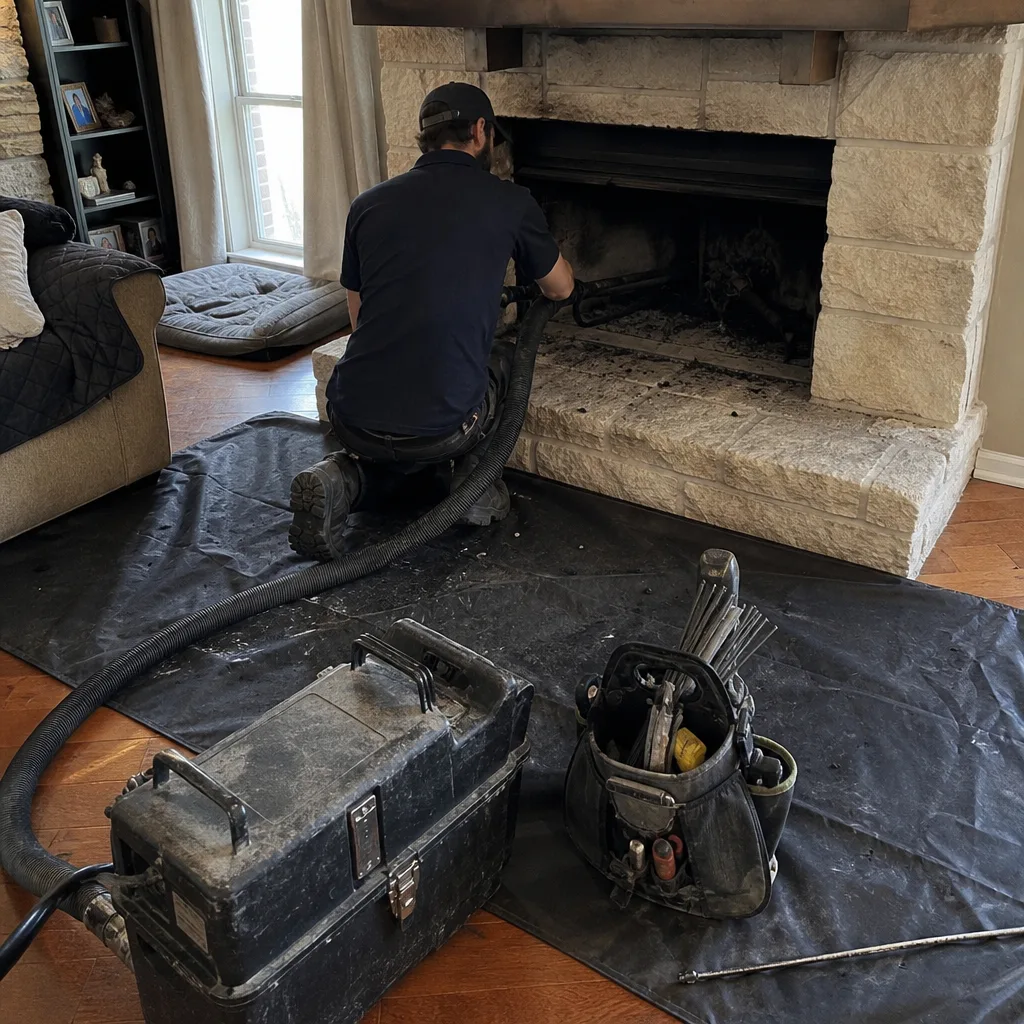 Before
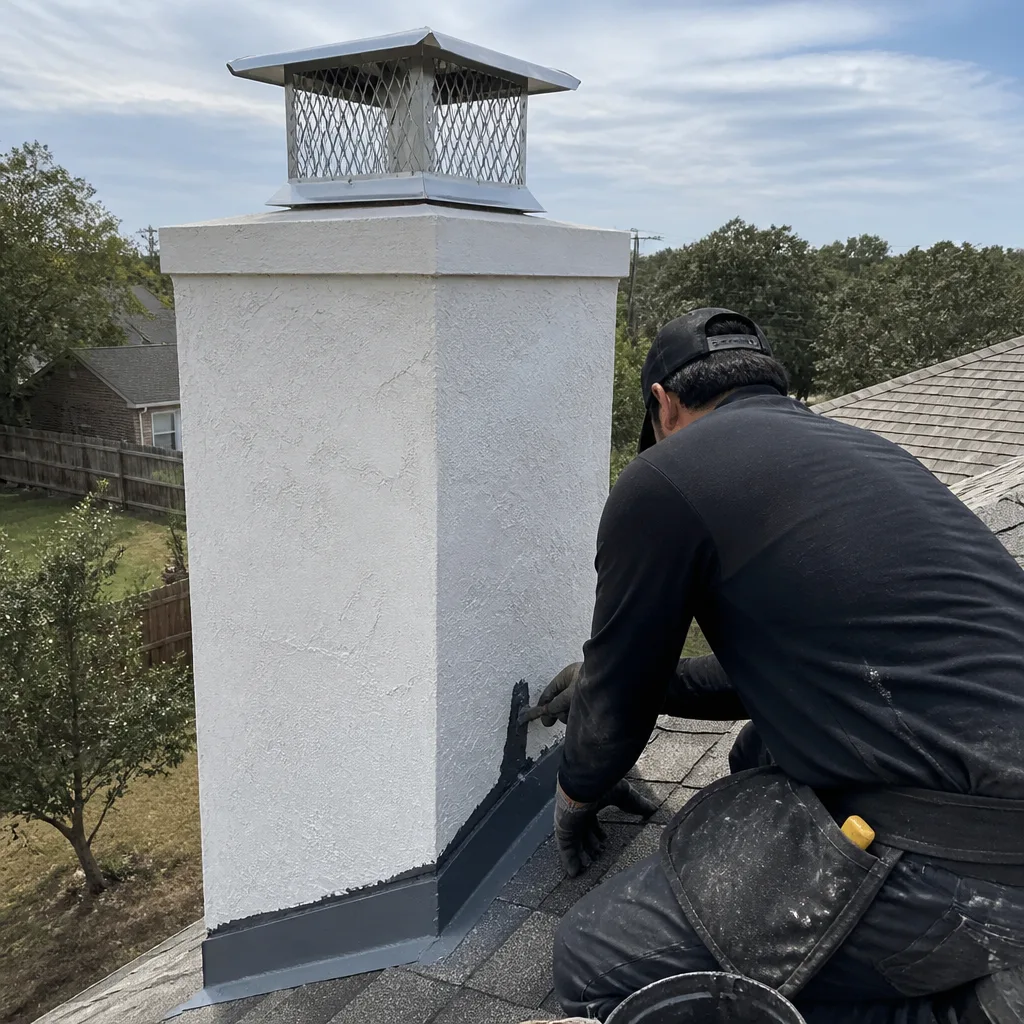 After
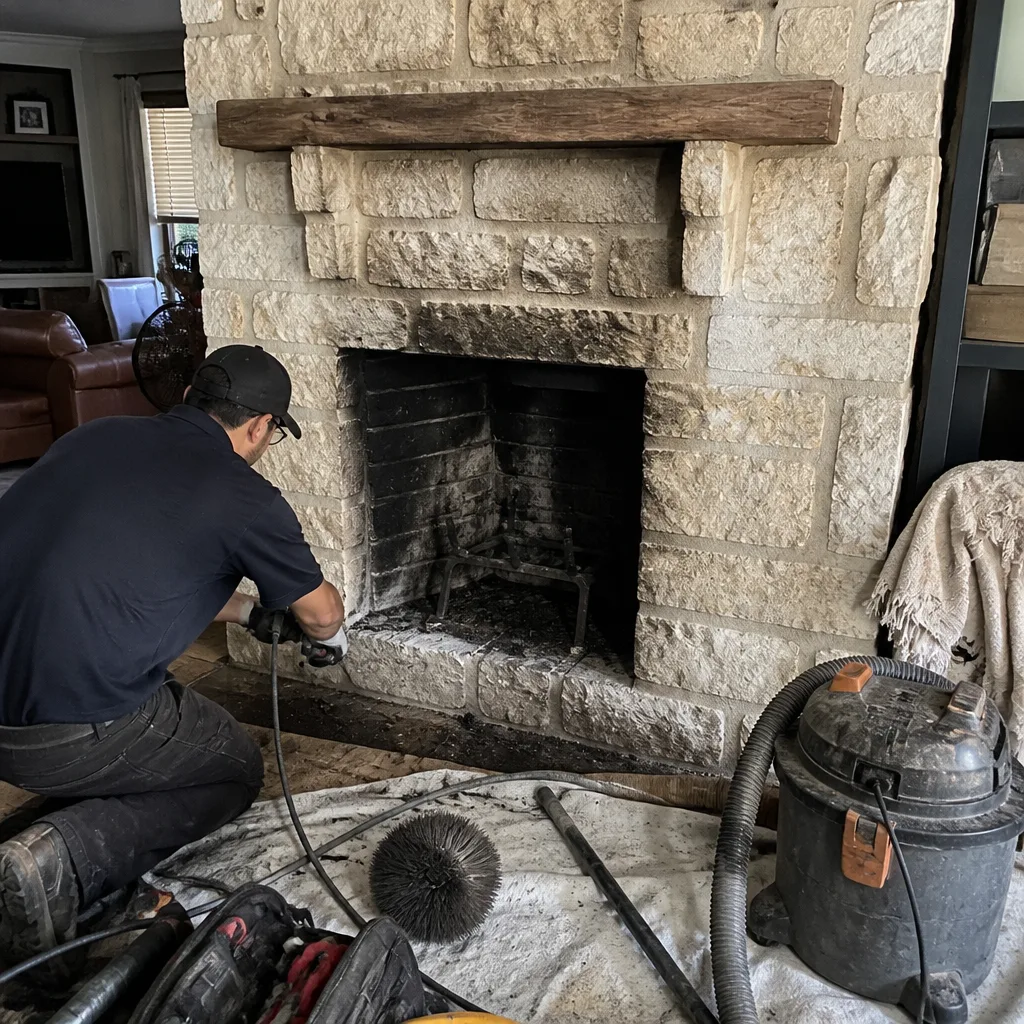 Before
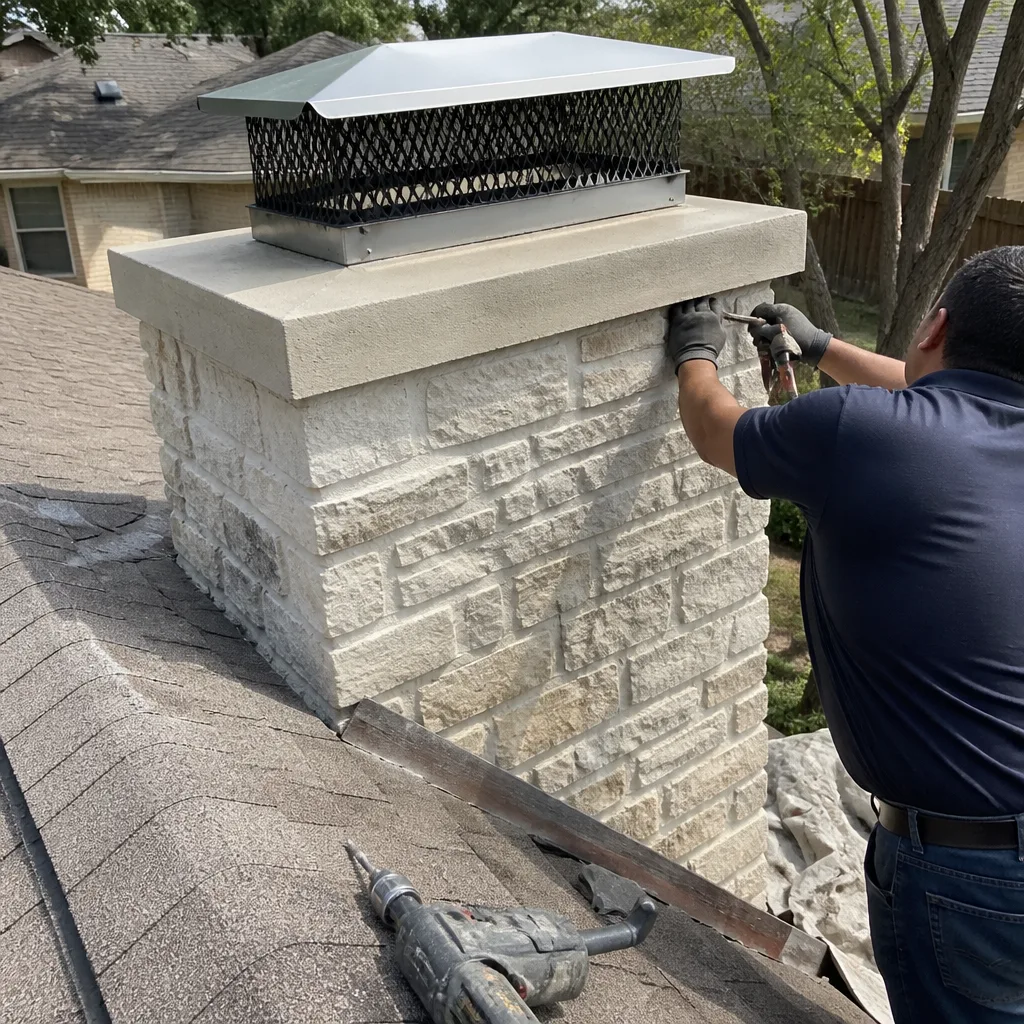 After
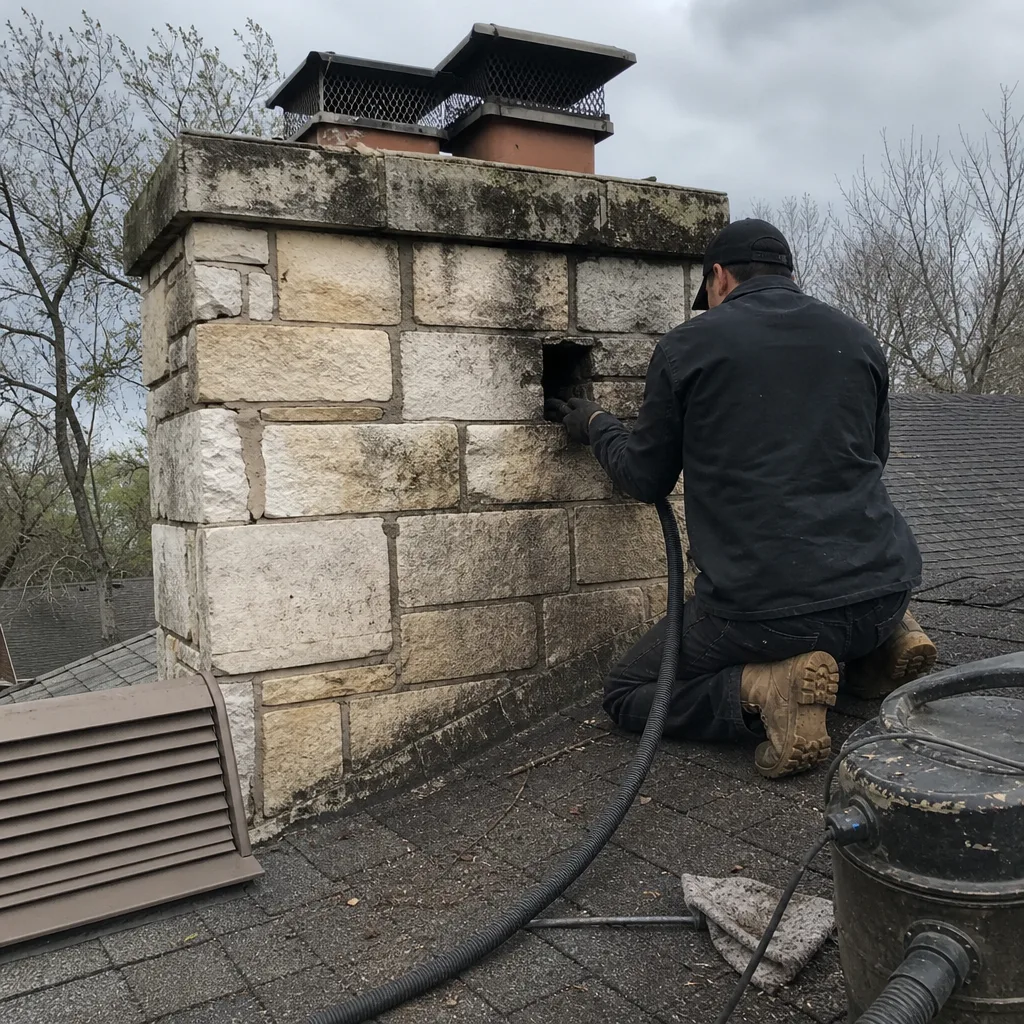 Before
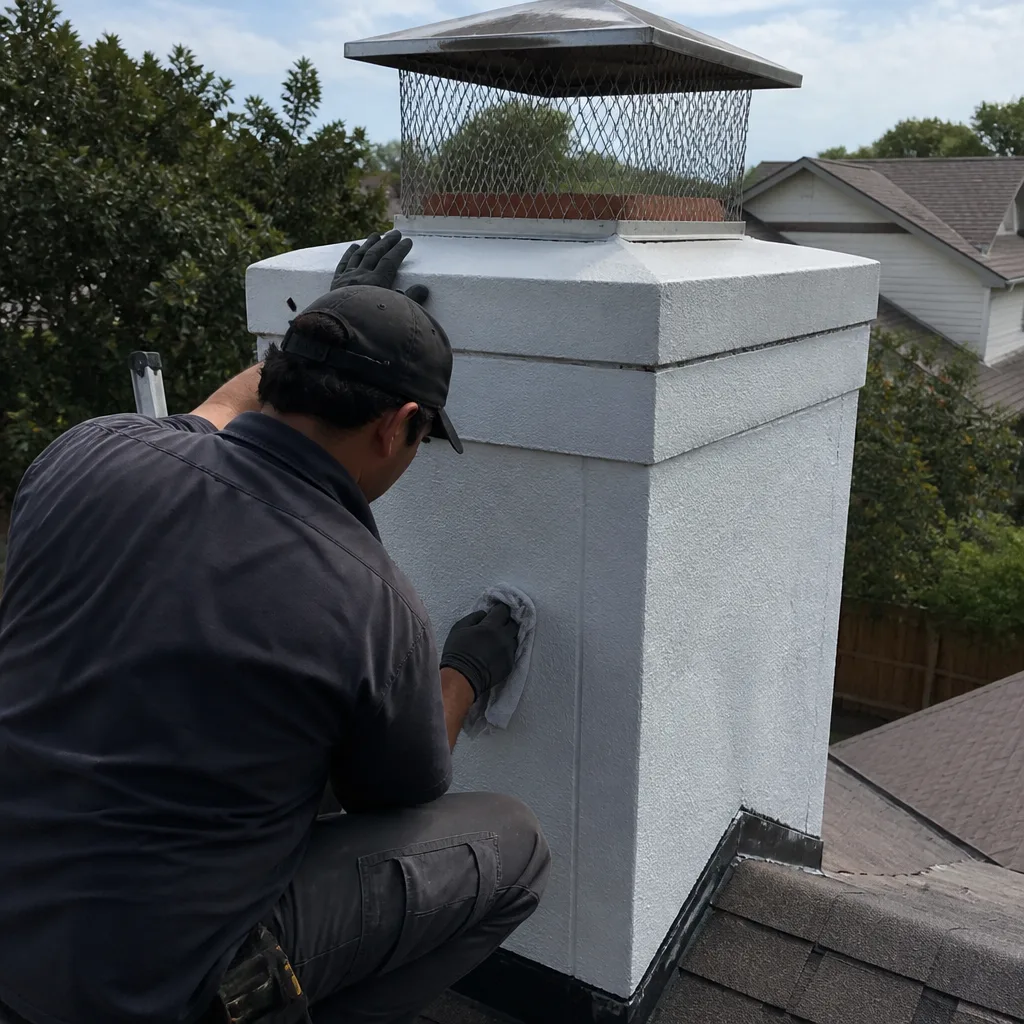 After