
Last updated October 31, 2026
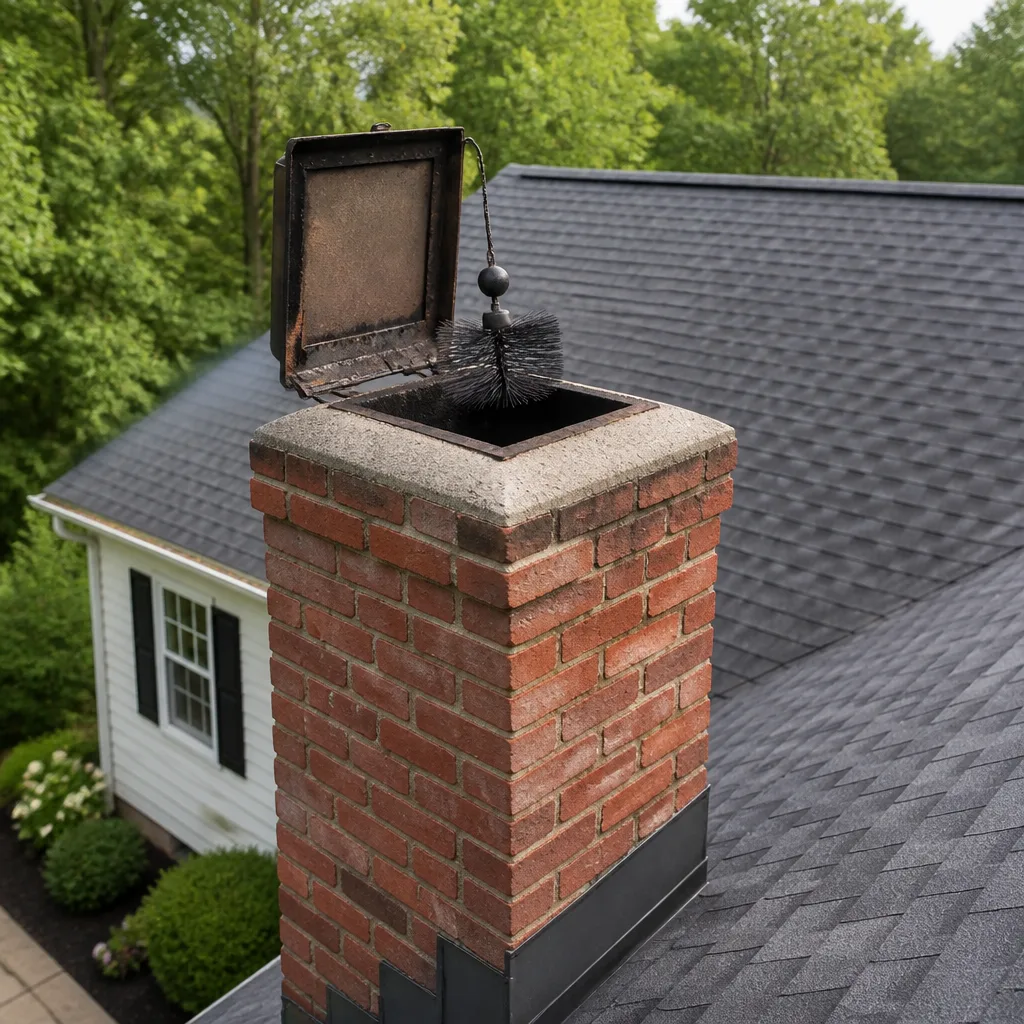 Sweep & inspection
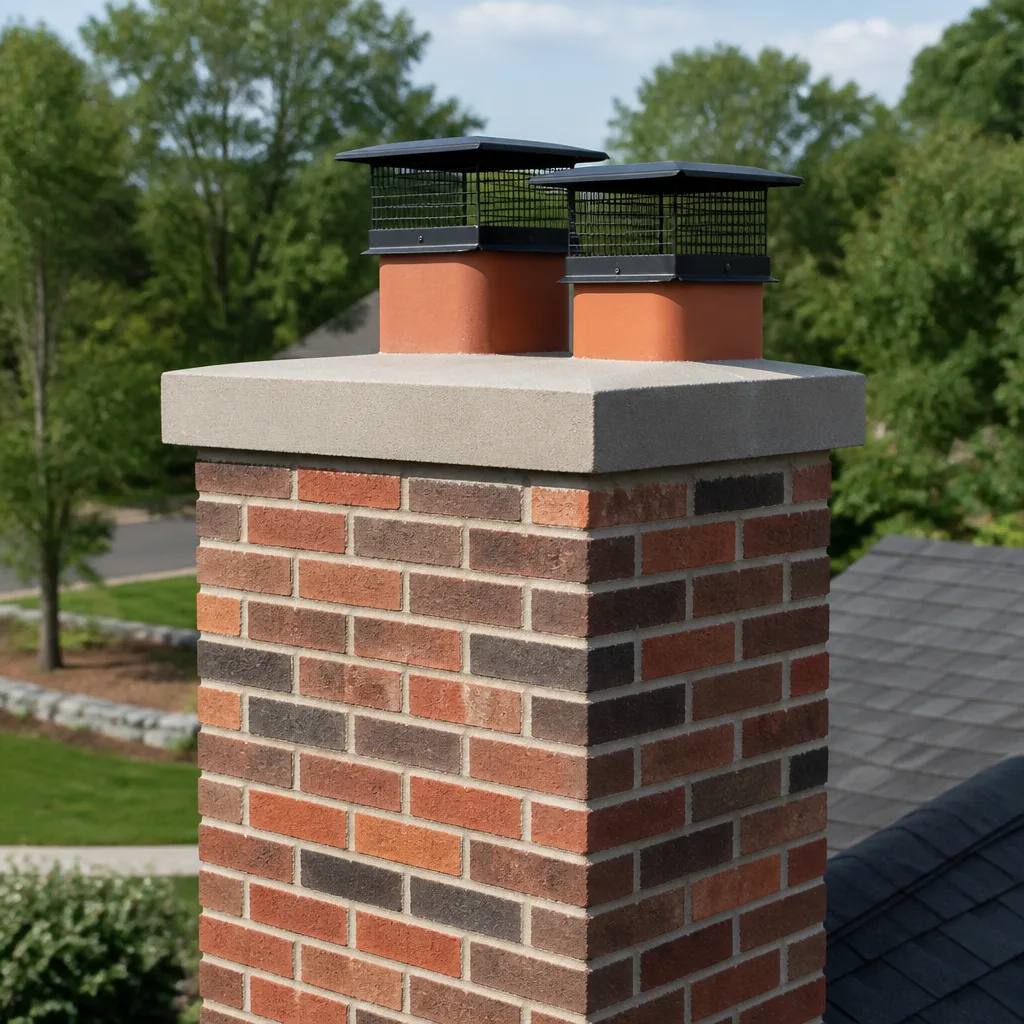 Caps & crowns
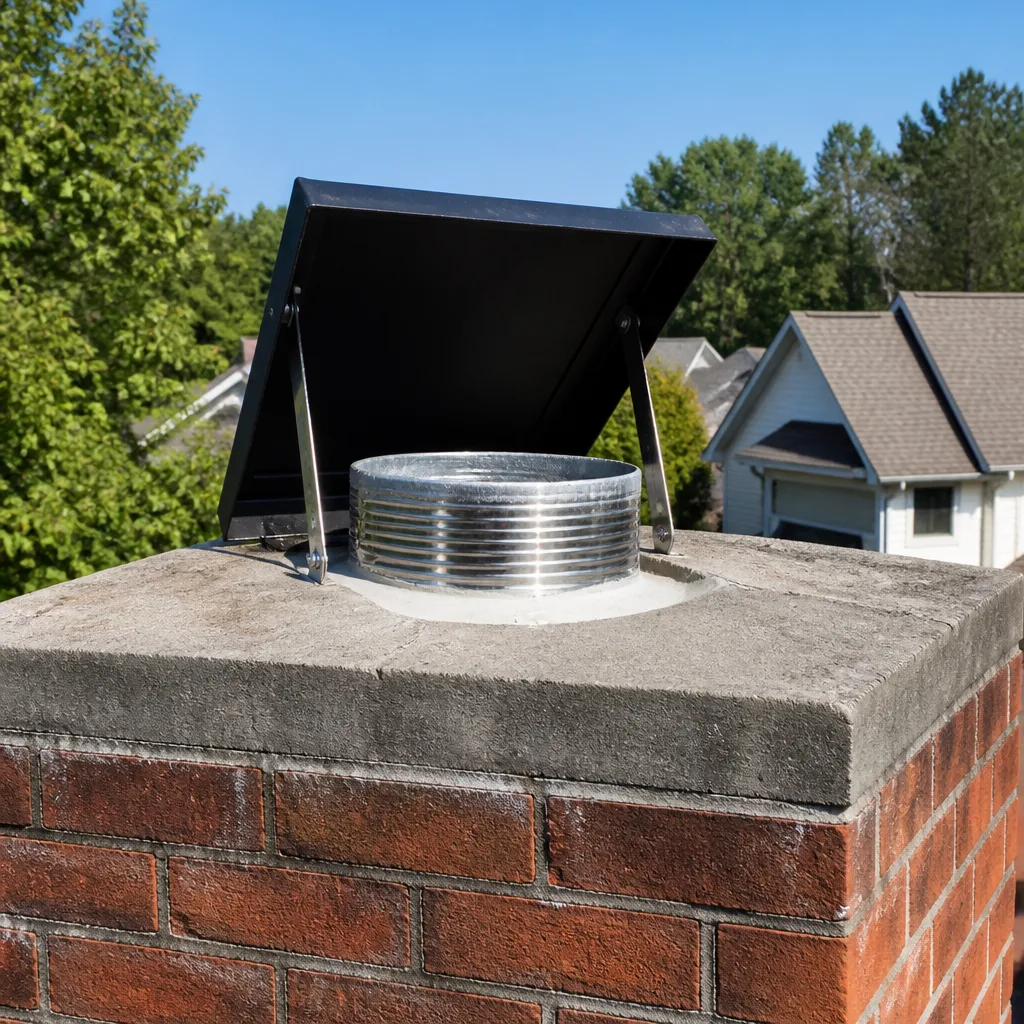 Flue relining
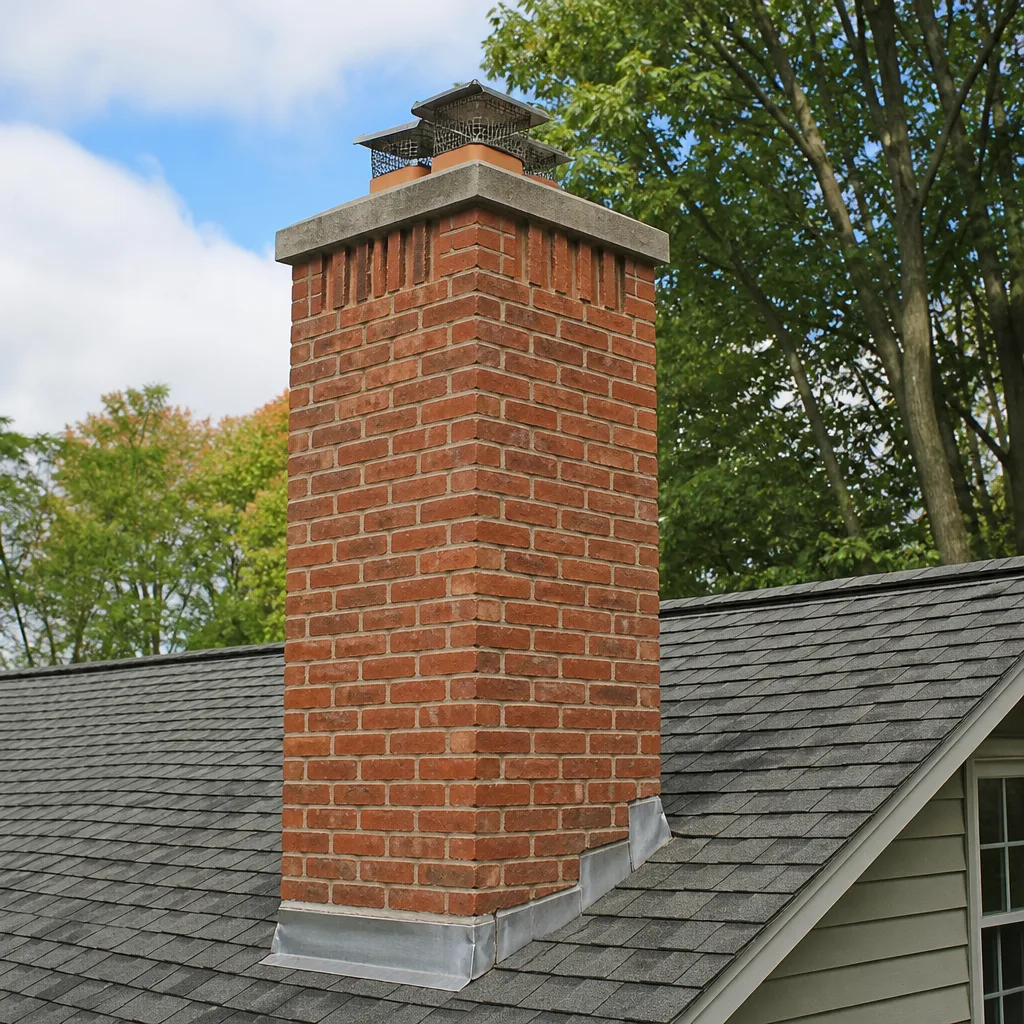 Masonry repair
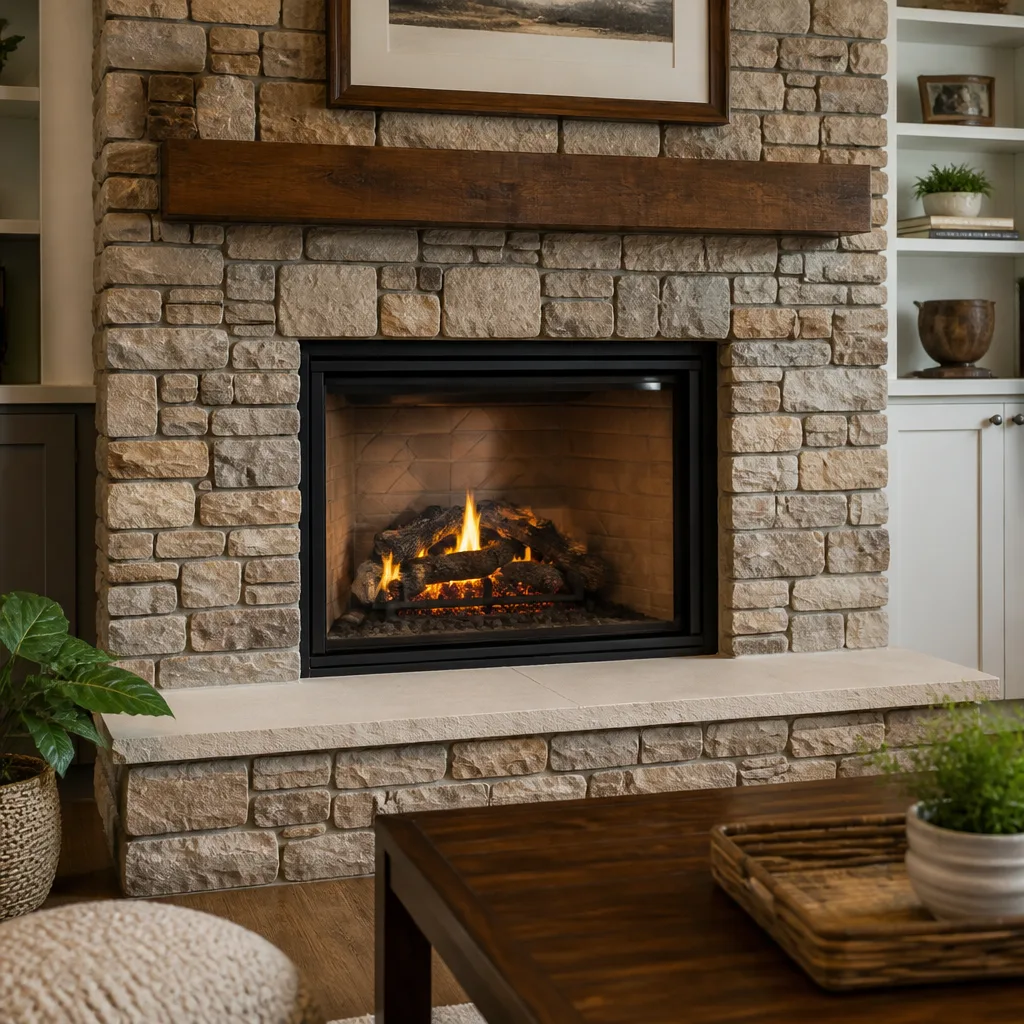 Gas fireplace service
Level 1 sweep and inspection to the NFPA 211 annual standard - flue, crown, cap, and flashing checked and photographed
Chimney sweep logs do not sweep chimneys. They loosen some creosote - which then falls where a brush and vacuum still have to collect it.
The Complete Guide to Chimney Cleaning in Round Rock
Most Round Rock homeowners light their fireplace fewer than 15 nights a year. That sounds safe, almost like the fireplace barely gets used at all. But here’s the counterintuitive problem: sporadic burning at low temperatures is one of the fastest ways to build up Stage 2 creosote, the thick, tar-like deposit that causes chimney fires. When you burn a fire only occasionally, the flue never gets hot enough to burn off the early-stage creosote that condenses on the walls. It sits there, layer after layer, cooling and hardening between uses. This guide explains exactly what that means for your Round Rock home, how our Central Texas hardwoods and humidity swings change the math on cleaning frequency, and what a professional sweep actually looks for when the camera goes up the flue. For seasonal chimney cleaning care in Round Rock, understanding these local factors is essential.
Styles & brands we work with
Quick Answer
Chimney cleaning in Round Rock costs between $189 and $350 depending on the fireplace type, the current creosote level, and whether inspections reveal additional work. Homeowners who burn live oak or post oak should plan on a sweep every year, even with light use, because Central Texas hardwoods leave a residue profile that cools into dense, adherent creosote faster than pine or cedar. If it’s been more than two years since your last cleaning, or if you’ve recently had a storm with roof-level hail, schedule a Level 2 inspection alongside the sweep. Boardwalk Chimney Sweep offers free estimates by phone at (877) 274-1247.
Table of Contents
- What Chimney Cleaning Actually Involves
- Why Round Rock Hardwoods Create Different Creosote
- Round Rock Humidity Swings and Liner Deterioration
- Level 1 vs. Level 2 Inspections: Which One After a Hill Country Storm
- What CSIA-Certified Sweeps See That Your Phone Camera Won’t
- Why a “Clean-Looking” Chimney Can Still Fail a Safety Threshold
- Chimney Cleaning Costs in Round Rock
- Why We Pair Chimney Sweeping with Dryer Vent Cleaning
- Common Mistakes to Avoid
- When to Call a Professional
- Frequently Asked Questions
- The Bottom Line
What Chimney Cleaning Actually Involves
A proper chimney cleaning is not a guy with a wire brush on a stick making a mess in your living room. It’s a systematic process that removes creosote, soot, and debris from the flue, smoke chamber, damper, and firebox, then verifies that every component is functioning correctly before the job is signed off. When Boardwalk Chimney Sweep cleans a chimney in Round Rock, we work from the top down and the bottom up, using professional rotary brushes matched to the flue dimensions, not off-the-shelf hardware store kits.
The mechanical brushing is only half the job. Most of what we do is inspect and document. A camera goes up the flue before cleaning to establish the baseline condition, then again after to confirm the creosote is gone and check for cracks, gaps, or signs of moisture penetration. Without the before-and-after camera pass, neither the technician nor the homeowner knows whether the clean actually mattered.
Here’s the sequence of a standard sweep:
- Interior protection: Drop cloths, vacuum containment, and a barrier around the firebox so no dust or creosote flakes touch your floors or furniture.
- Visual baseline: The technician assesses the fireplace type, damper condition, and visible creosote staging before sending the camera up.
- Mechanical cleaning: A rotary brush sized to the flue removes creosote from the liner walls, smoke shelf, and upper chamber. In Round Rock homes with live oak residue, this often takes longer because the creosote bonds harder and resists simple brushing.
- Vacuum extraction: A high-capacity HEPA vacuum removes loosened creosote and soot as it falls, preventing it from settling back into the firebox or entering the living space.
- Post-sweep camera verification: A second camera pass confirms the flue is clear and checks for liner damage, water staining, or gaps that were hidden under the creosote.
- Report and recommendations: You get a written condition report with photos, plus specific recommendations about whether anything needs repair and when the next cleaning should happen.
That last point matters more than most homeowners realize. A sweep that ends with “all clean, see you next year” is incomplete. A sweep that ends with a documented flue condition report gives you the information you need to make decisions about liner repair, water entry, or structural issues before they become expensive failures. Our chimney sweep in Round Rock service includes the full camera documentation, not just the brushing.
Why Round Rock Hardwoods Create Different Creosote
Central Texas homeowners burn different wood than homeowners in East Texas or the Pacific Northwest. Here in Round Rock, the most common firewood is live oak and post oak, both of which are dense hardwoods with significantly higher BTU output than pine, fir, or cedar. That density is a double-edged sword. Higher BTU means more heat per log, but it also means the fire burns differently, and those differences leave a specific creosote profile in your flue.
Live oak’s density means it takes longer to fully engage in combustion. In the first 20 to 30 minutes of a fire, live oak produces a high volume of unburned volatile organic compounds. If the flue hasn’t reached operating temperature yet, those compounds condense on the cooler upper flue walls as Stage 1 creosote, a fine, flaky residue that brushes away easily. But here’s what Round Rock burners often don’t account for: our oak fires burn hot and long once they engage. That hot combustion bakes the early-stage creosote into the flue walls, converting it into the dense, shiny Stage 2 form that hardens like road tar and resists mechanical removal.
The practical takeaway:
- Live oak leaves a creosote that is denser and more adherent than the fluffy creosote pine produces.
- Sporadic burning, a few fires a year, never lets the flue reach temperatures high enough to vaporize early deposits, so each fire adds a new layer to the previous one.
- The combination of hot oak fires and cool Central Texas nights creates rapid temperature swings inside the flue, which increases condensation rates and speeds creosote buildup.
- Homeowners who burn live oak in Round Rock should plan on annual cleanings even if they only use the fireplace 10 to 15 times per season.
We see this pattern consistently in neighborhoods like Teravista, Mayfield Ranch, and Forest Creek. Homes with older masonry chimneys and unlined or clay-lined flues accumulate Stage 2 creosote faster than newer installations with stainless liners, because the masonry mass stays cooler longer and provides more condensation surface. If you’re burning oak in a home built before 1990, you’re likely a candidate for yearly cleaning, full stop.
Round Rock Humidity Swings and Liner Deterioration
Round Rock’s climate does something specific to chimneys that generic chimney guides never mention. Our humidity swings are wide and fast. A summer morning at 90 percent relative humidity gives way to a 102-degree afternoon where the moisture in your masonry evaporates rapidly. Then a Hill Country cold front drops the temperature 25 degrees in an afternoon, and that same masonry contracts. This cycle, repeated hundreds of times a year, works on clay flue tiles and old mortar joints the way water works on pavement.
In a chimney wall, the result is slow but cumulative. Clay tiles, which were the liner standard for most Round Rock homes built before the 1990s, develop hairline cracks from thermal stress. Mortar joints between tiles erode from moisture cycling. Over time, those small openings become pathways for carbon monoxide and flue gases to escape into the chimney cavity and, potentially, into living spaces. The creosote that accumulates inside a cracked liner is also more dangerous because it sits closer to combustible framing material than it should.
When our team cleans a Round Rock chimney that’s been through multiple seasonal cycles, we’re not just looking at creosote levels. We’re checking tile alignment, looking for evidence of water staining from the top, and assessing whether the flue has maintained its structural integrity. In some cases, the damage reveals a liner that needs resurfacing rather than simple cleaning. For those situations, we offer HeatShield resurfacing, a process that applies a ceramic-based coating to the inside of the existing flue, sealing cracks and restoring the liner’s continuous surface without a full replacement. It’s the kind of repair that extends a chimney’s life another decade or more when the liner is cracked but not collapsed.
The humidity factor also affects the mortar crown at the top of the chimney. As moisture expands and contracts in the crown, cracks widen. Water penetrates down through the masonry, eventually reaching the firebox and the damper. A chimney that hasn’t been cleaned in several years may have both creosote buildup and water-damaged mortar, a combination that costs more to fix together than either problem would cost alone. Which is another reason the annual sweep is really an annual system check.
Level 1 vs. Level 2 Inspections: Which One After a Hill Country Storm
The National Fire Protection Association defines three levels of chimney inspection, and understanding the difference between Level 1 and Level 2 will save you from either paying for more than you need or missing damage that should have been caught. Most Round Rock chimney cleanings include a Level 1 inspection as part of the sweep. A Level 2 is a more comprehensive evaluation that requires camera access to the full flue interior.
Level 1 Inspection
A Level 1 inspection is the standard accompaniment to a routine sweep. The technician examines the readily accessible portions of the chimney, inside and out: the firebox, damper, smoke chamber, flue interior, exterior masonry, and the visible roof penetration. No special access or demolition is involved. If you’re on an annual cleaning schedule and haven’t changed anything about your chimney, fuel type, or usage pattern, Level 1 is usually adequate.
Level 2 Inspection
A Level 2 inspection adds camera scanning of the entire flue interior, from the top of the chimney to the bottom, plus an examination of the attic and crawlspace areas where the chimney passes through. The National Fire Protection Association requires a Level 2 inspection under specific circumstances: after a chimney fire, after a seismic or weather event that may have caused structural damage, before the sale or transfer of a property, or after any change to the fuel type or flue configuration.
Here’s what that means for Round Rock specifically:
- After a hailstorm: Hail impacts on the chimney crown and cap can cause micro-cracking that’s invisible at ground level. A Level 2 camera pass sees the interior consequences of those impacts.
- After a thunderstorm with high wind: Wind-driven debris and tree branches can damage caps, crowns, or flashing. The Level 2 check verifies the flue path is still continuous.
- After a freeze event: Winter storms like Uri showed us how fast masonry can crack when saturated with water and then frozen. Post-freeze Level 2 inspections catch the interior damage.
- Before buying or selling a Round Rock home: Many home inspectors flag chimney condition but don’t have the equipment to evaluate the flue interior. A Level 2 chimney inspection fills that gap.
At Boardwalk Chimney Sweep, we include Level 1 verification with every cleaning and can upgrade to a full Level 2 camera scan for the same visit. If you’ve never had a camera inspection on your Round Rock chimney and the home is more than 15 years old, we recommend starting with the Level 2. It establishes the baseline, and every future cleaning compares against it.
What CSIA-Certified Sweeps See That Your Phone Camera Won’t
There’s a homeowner habit that’s become more common in the last five years: sticking a phone up the fireplace, snapping a photo of the flue, and concluding the chimney looks fine. A phone camera pointed up a dark flue shows you a blurry dark tunnel. It cannot tell you whether what you’re seeing is 1 millimeter of harmless soot or 6 millimeters of dangerous Stage 2 creosote.
A CSIA-certified sweep works with professional video inspection equipment that provides illumination, magnification, and a calibrated frame of reference for measuring deposits and identifying defects. The difference matters because small shifts in deposit thickness change the risk profile significantly. One-eighth of an inch of creosote is a maintenance issue. One-quarter of an inch is a chimney fire waiting to happen. The human eye, even a trained one, needs the camera to make that distinction with confidence.
Beyond deposit thickness, a certified sweep’s camera documentation reveals:
- Flue tile alignment shifts: A camera sees whether tiles have moved relative to each other, a sign of structural settling or water damage.
- Liner pitting and spalling: The camera’s light catches surface texture changes that indicate the liner material is degrading from heat or chemical exposure.
- Smoke chamber voids and gaps: The area just above the damper is where many older Round Rock homes have gaps that allow flue gas to bypass the liner path.
- Water staining and efflorescence: White mineral deposits on the flue interior indicate water penetration from above, which means the crown or flashing needs attention.
- Animal nesting material: Squirrels, raccoons, and birds frequently build nests in Round Rock chimneys that lack proper caps, and a nest can create a secondary fuel source inside the flue.
Our technicians carry inspection cameras with articulated heads that can navigate offset flue configurations, the kind common in custom-built Round Rock homes where the fireplace sits off-center from the chimney’s roof exit. We use what the camera reveals to guide the cleaning itself, targeting the areas of heaviest deposit rather than running the brush blindly.
For repairs, we rely on the same materials chimney professionals specify nationwide. Our liner installations use DuraFlex flexible systems, which are specifically designed for flues with offsets, irregular dimensions, or partial masonry failures that make rigid pipe impossible to install. When we repair a Round Rock chimney, we repair it with the product that solves the actual flue geometry, not a generic substitute.
Why a “Clean-Looking” Chimney Can Still Fail a Safety Threshold
Here’s a phenomenon we’ve encountered many times in Round Rock homes: a homeowner removes the damper, glances up the flue, sees what looks like bare masonry or steel, and assumes the chimney needs no attention. Then the camera goes up and reveals the truth. The flue looks clean to the naked eye because the creosote has adhered to the walls in a thin, glassy sheet that reflects light almost the same way clean metal does. Viewed from directly below with a flashlight or phone light, it reads as clean. Viewed with a calibrated inspection camera at close range, it reads as Stage 2 glazed creosote.
The safety threshold, defined by the National Fire Protection Association and enforced by professional sweep standards, is based on measurable deposit thickness, not visual impression. A chimney can appear spotless and still have enough glazed creosote to ignite under a hot oak fire. Once glazed, creosote of even moderate thickness becomes a fuel source that burns at around 2,000 degrees Fahrenheit, which is more than enough to crack clay tiles, warp steel liners, and ignite nearby framing.
This is why we never advise a homeowner in Round Rock to skip a scheduled cleaning based on how the chimney “looks.” The camera determines whether the flue passes, and the camera’s measurement of deposit thickness is an objective data point. If the camera shows a quarter-inch of glazed creosote, the cleaning is unavoidable, regardless of what the naked eye reports. The same principle applies after cleaning: our post-sweep camera pass documents that the deposit is actually gone, not just brushed into a thinner layer.
When the camera does identify liner damage beyond what cleaning can address, we have options beyond full replacement. HeatShield resurfacing uses a ceramic coating that bonds directly to the existing flue interior, filling cracks, smoothing spalled surfaces, and restoring a continuous liner path. It’s effective when the liner is structurally sound but has developed gaps that compromise safety. For more extensive damage, a new DuraFlex liner gives you a stainless steel flue that resists both creosote adhesion and corrosion for decades.
Chimney Cleaning Costs in Round Rock
Chimney cleaning prices in Round Rock vary based on the fireplace type, the current creosote load, and whether the job requires anything beyond the standard sweep. Here’s what you can expect in this market, based on our work across the Round Rock area:
| Service | Typical Round Rock Price Range | What It Includes |
|---|---|---|
| Standard chimney sweep (wood, single flue) | $189 – $279 | Full mechanical brush, vacuum containment, Level 1 inspection, camera verification |
| Gas fireplace sweep and inspection | $169 – $249 | Cleaning of soot and carbon, burner check, pilot verification, visual flue inspection |
| Level 2 camera inspection (add-on) | $99 – $199 | Full-flue video scan, attic and crawlspace review, documented report with photos |
| Creosote-heavy or glazed removal (Stage 2) | $279 – $399 | Extended mechanical cleaning, chemical treatment, extra passes as needed |
| Animal nest removal | $149 – $299 | Nest extraction, sanitization, cap or screen recommendation |
These prices assume the fireplace is accessible and has been serviced within the last few years. A chimney that hasn’t been cleaned in over five years, or one that’s been exposed to rainwater through a damaged cap, may require additional labor. The cost of addressing creosote buildup now is a fraction of the cost of repairing structural damage from a chimney fire or replacing a liner that’s failed.
If the inspection reveals liner issues, HeatShield resurfacing for a standard single-flue chimney typically starts around $1,500 and varies based on the length of the flue and the extent of the damage. A full DuraFlex liner installation ranges higher, depending on the home’s access points, flue geometry, and whether the existing clay tiles must be removed. But these are optional repairs, and our policy is to present the camera evidence and let you make the call. If the chimney can safely operate for another season without repair, we tell you that plainly. We don’t invent problems to sell work, and we don’t sell HeatShield or DuraFlex where they aren’t needed.
Why We Pair Chimney Sweeping with Dryer Vent Cleaning
Chimney fires and dryer fires are the two leading household hazards associated with hot appliances venting through your house. The National Fire Protection Association reports that dryer vent obstructions account for roughly 15,000 structure fires per year in the United States, the same hazard category as unclean chimneys. In Round Rock, where many homes have the laundry room and the fireplace along the same exterior wall, a single service visit can address both.
Our dryer vent cleaning in Round Rock service removes the accumulated lint that escapes the lint trap and accumulates in the vent run. Even homeowners who clean the lint screen after every load eventually build up a dense, felt-like deposit inside the vent pipe, especially when the vent run is long, offset, or vertical. That deposit restricts airflow, traps heat inside the duct, and becomes the fuel source for a dryer vent fire. It also forces the dryer to work harder on every cycle, increasing utility costs and shortening the appliance’s life.
One call, two fire hazards addressed. When we schedule a chimney sweep in a Round Rock home, we ask whether the dryer vent has been cleaned in the past year. If not, adding it to the same visit saves you a separate service call, and it frequently reveals the same underlying problem in a different location: a flue path that’s carrying heat, moisture, and particulate, and developing a dangerous deposit layer. The same camera technology we use for chimneys goes into the dryer vent, and you get photo documentation of what was in there.
This pairing matters for another reason. Many Round Rock homeowners schedule chimney service in October, right before burn season. Dryer vent cleaning should happen annually regardless of season, and pairing it with the October chimney visit ensures both are done before the year’s heaviest appliance use begins. If you’ve forgotten the dryer vent entirely, you’re not alone, but the risk doesn’t disappear just because the problem is out of sight.
Common Mistakes to Avoid
- Waiting until you smell something. By the time a Round Rock homeowner notices a campfire smell in the living room, the creosote layer is already substantial and the flue is not drafting properly. The point of cleaning is to prevent that condition, not react to it.
- Burning “just a little” to avoid creosote. Short, low-temperature fires are the worst pattern for creosote formation. A fire that smolders briefly and then goes out deposits more creosote per log than a hot, sustained burn.
- Using the fireplace as a trash incinerator. Burning wrapping paper, cardboard, or scrap wood from construction projects introduces additives and residues that accelerate creosote formation. Only burn seasoned hardwood appropriate for fireplaces.
- Assuming a gas chimney doesn’t need service. Gas fireplaces produce less creosote than wood, but they still accumulate soot, carbon, and moisture damage. The flue condition matters just as much for carbon monoxide safety.
- Skipping the cap replacement after a storm. A missing or dented cap from a Round Rock hailstorm leaves the flue open to rain, animals, and debris. The next cleaning will cost more, and the liner may already have water damage.
- Hiring on price alone. A $79 chimney “cleaning” that doesn’t include camera verification or a documented report may leave half the creosote in place. The camera pass is the only objective measure that the job actually worked.
- Treating the dryer vent as a DIY light vacuum job. Dryer vents require specialized brush systems and negative air containment. A homeowner vacuum from the outside pulls some lint and leaves the rest compacted deeper in the run.
When to Call a Professional
A professional chimney cleaning is not a task you defer until the fireplace stops working. You call when the burn season is about to start, when you’ve noticed a change in the fireplace’s smell or draft, when you’ve had a storm that may have damaged the cap or crown, or when you’re buying a home in Round Rock and need to know what you’re inheriting. Any time a camera inspection reveals Stage 2 creosote, the cleaning is beyond homeowner capability and requires rotary equipment. The same goes for animal nest removal, which involves more than pulling out nesting material, there’s often a health hazard and a cap upgrade required. Boardwalk Chimney Sweep offers free estimates in Round Rock, call (877) 274-1247 to schedule a cleaning or discuss what you’re seeing with your fireplace or dryer vent. Need help choosing a pro? Read our How to Hire a Chimney Cleaning Contractor in Round Rock: A Step-by-Step Guide.
Frequently Asked Questions
A standard chimney cleaning in Round Rock costs between $189 and $279 for a single-flue wood-burning fireplace, with gas fireplace service slightly lower and Stage 2 creosote removal higher at up to $399. The price varies based on the creosote load, flue accessibility, and whether camera inspection is added. Call (877) 274-1247 for an exact quote for your specific chimney.
The National Fire Protection Association recommends annual inspection and cleaning as needed for all solid-fuel chimneys. In Round Rock, where live oak is the dominant firewood and burn seasons are short but intense, annual cleaning is the right default for active wood-burning fireplaces. Even light users should not exceed two years between camera-verified cleanings.
Many Round Rock chimneys with cracked or slightly spalled flue tiles can be restored with HeatShield resurfacing, which seals the existing liner from the inside without full replacement. A new DuraFlex stainless liner is necessary when the existing flue is collapsed or severely misaligned. The camera inspection tells you which category you’re in.
Creosote accumulates in layers, and after two or three years of Round Rock oak fires, the deposit is usually thick enough to sustain a chimney fire. Even without a fire, the moisture trapped against the liner accelerates deterioration. The cost of cleaning grows, and the risk of needing major repair increases each year you defer.
Yes, gas fireplaces produce soot, carbon deposits, and acidic condensation that degrade flue materials over time. A gas fireplace should be inspected annually, and the flue cleaned when the inspection shows deposit buildup. The issue is less about fire risk and more about carbon monoxide containment and liner integrity.
Yes, Boardwalk Chimney Sweep offers both services as a combined appointment in Round Rock. The chimney sweep and the dryer vent cleaning are performed by the same crew, with separate camera verification for each flue path. One call, two fire hazards addressed, without coordinating separate contractors.
The Bottom Line
Chimney cleaning in Round Rock is not a once-in-a-while chore. It’s an annual system check that responds to the way Central Texas homes actually burn: live oak fires under short, sporadic conditions, in chimneys that endure rapid humidity and temperature swings. The creosote that builds from that combination is denser and more dangerous than what generic chimney guides account for. A camera-verified sweep catches what a phone photo misses, and it sets the baseline for whatever comes next, whether that’s a clean bill, a HeatShield resurfacing, or a DuraFlex liner installation. If you’re due for a cleaning or want to know what your flue actually looks like, call Boardwalk Chimney Sweep at (877) 274-1247. Estimates are free, and the information is worth the call. For more guides & resources on keeping your chimney safe, visit our blog.
Written by the team at Boardwalk Chimney Sweep, serving Round Rock since 2011.
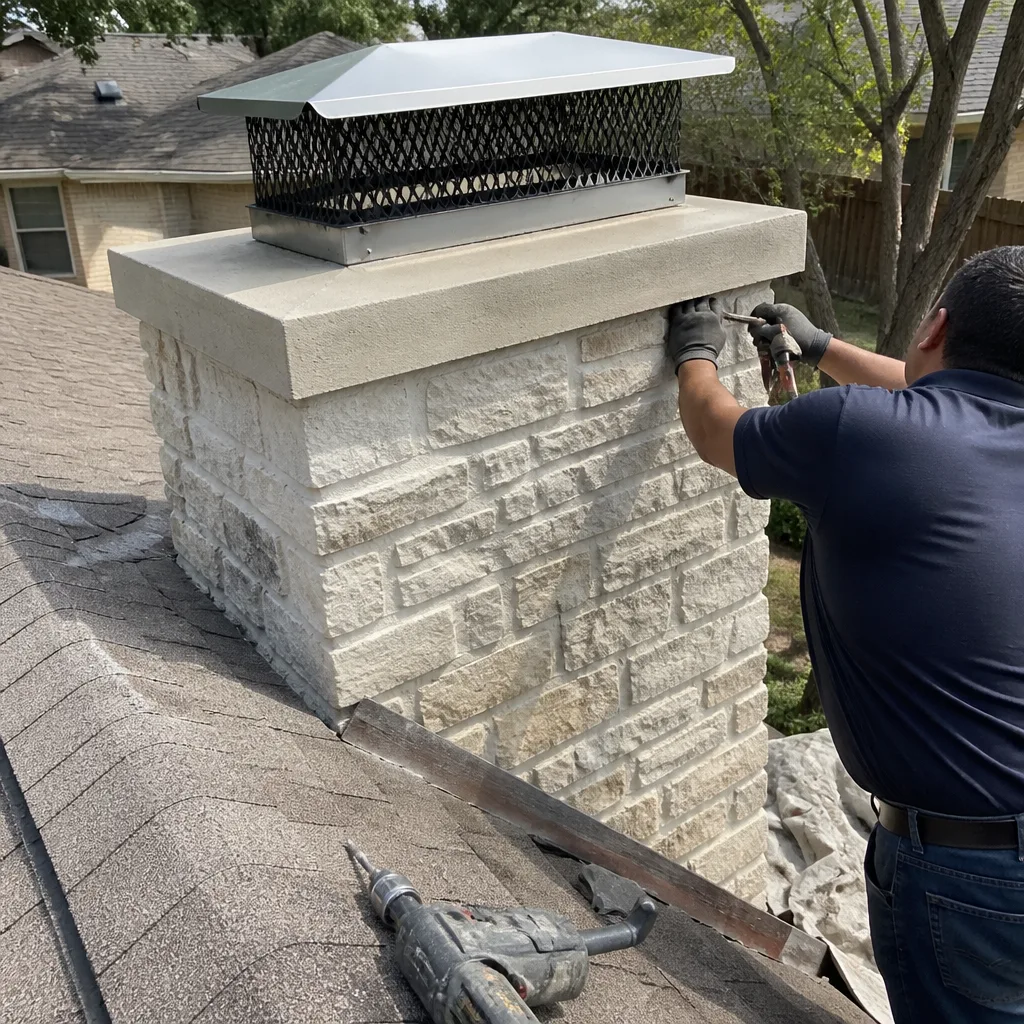
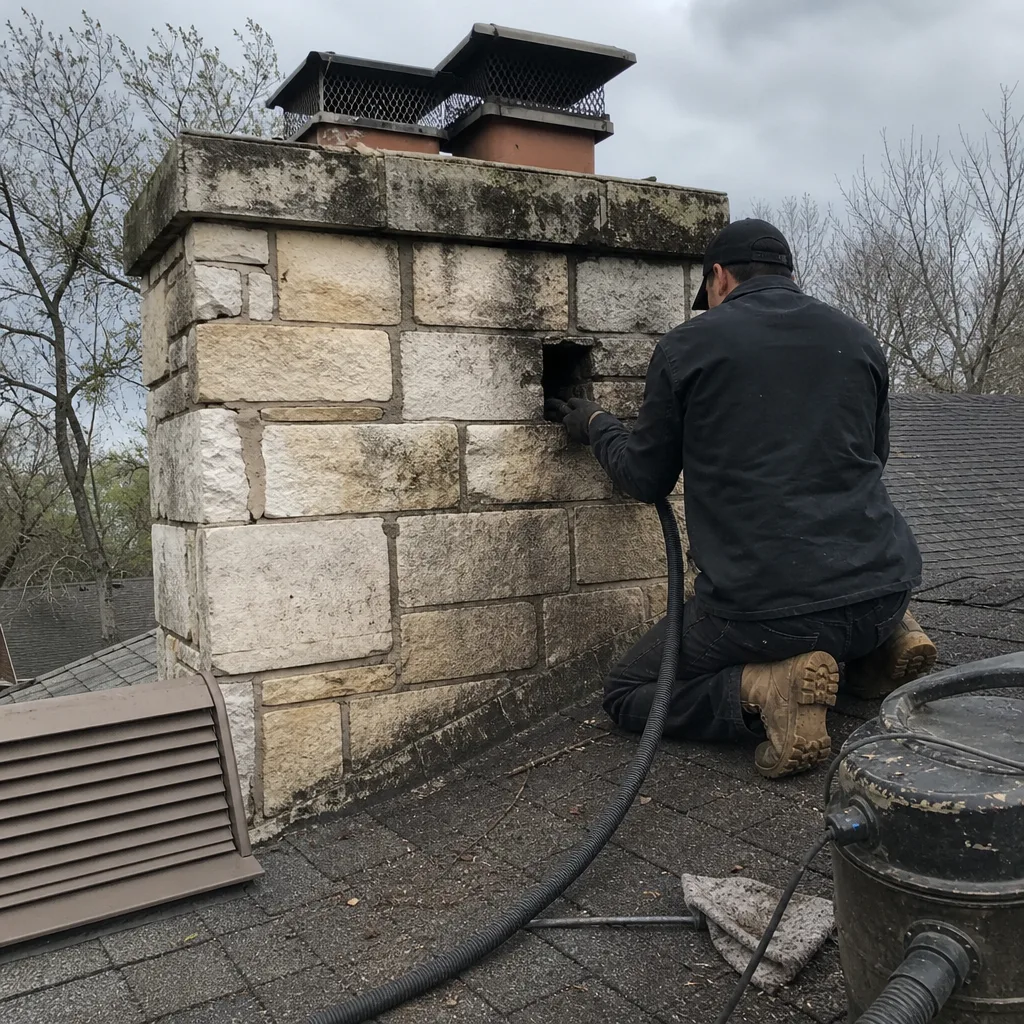
See the difference
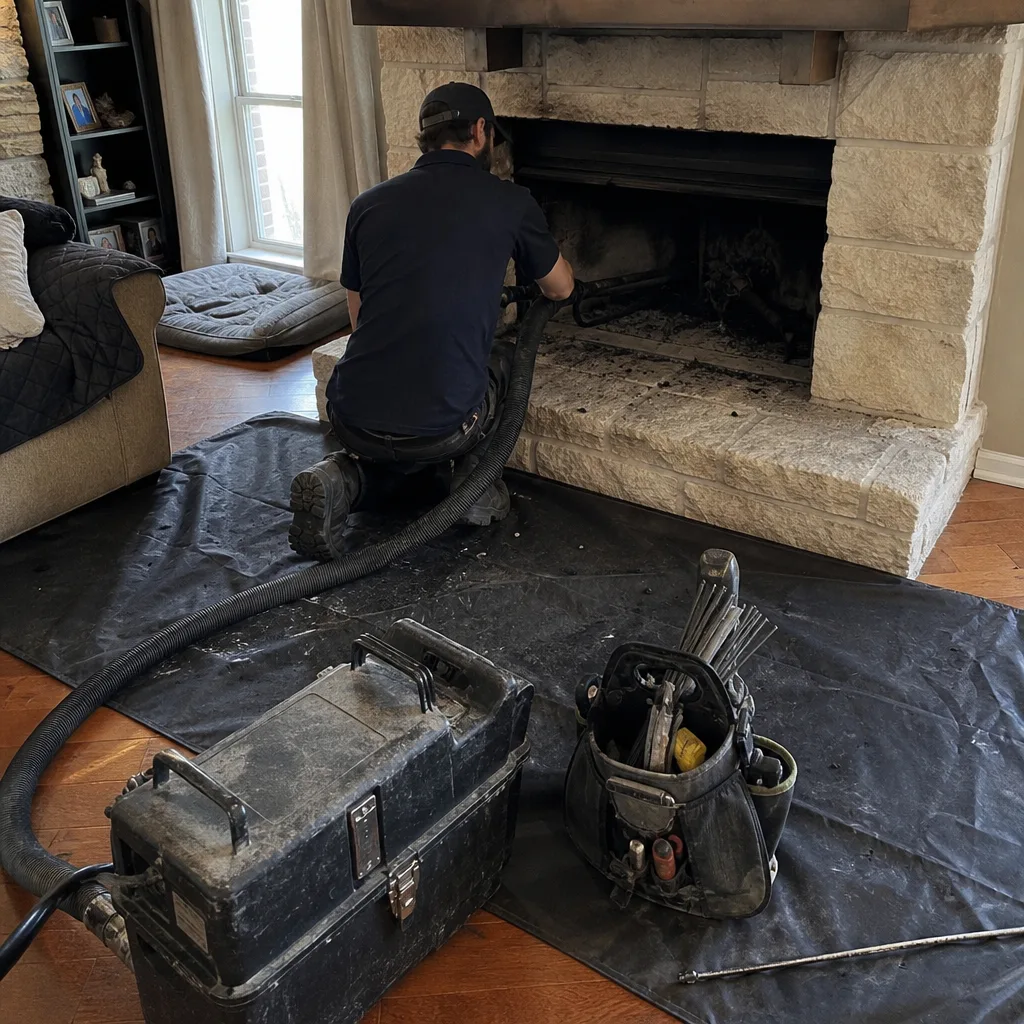 Before
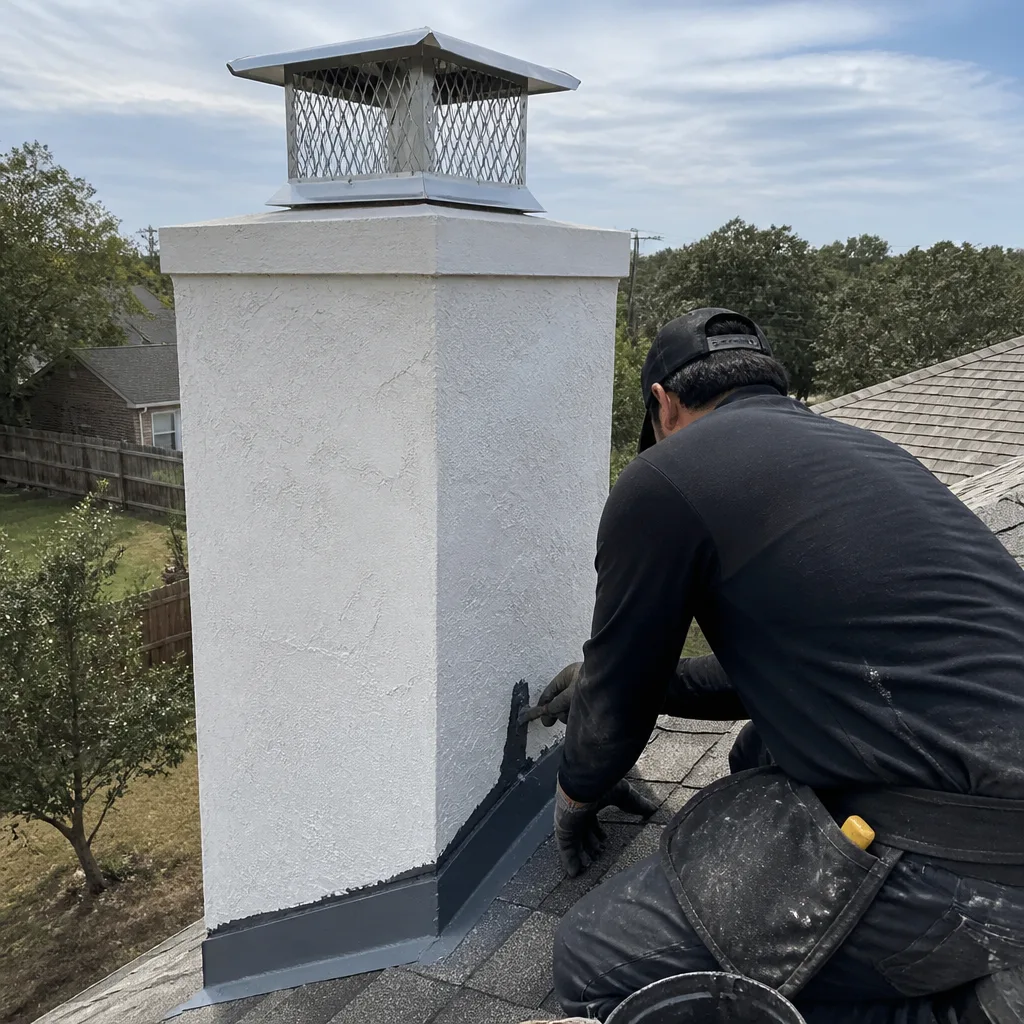 After
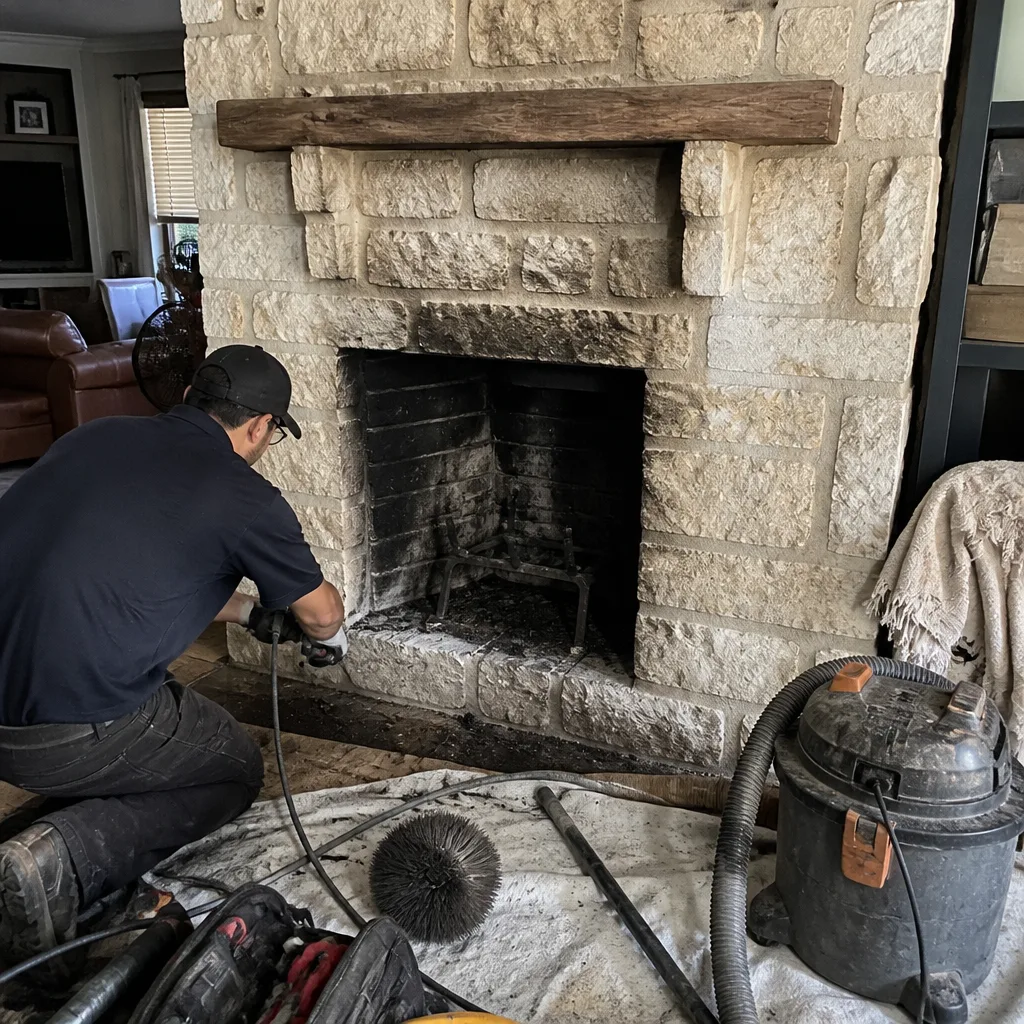 Before
 After
 Before
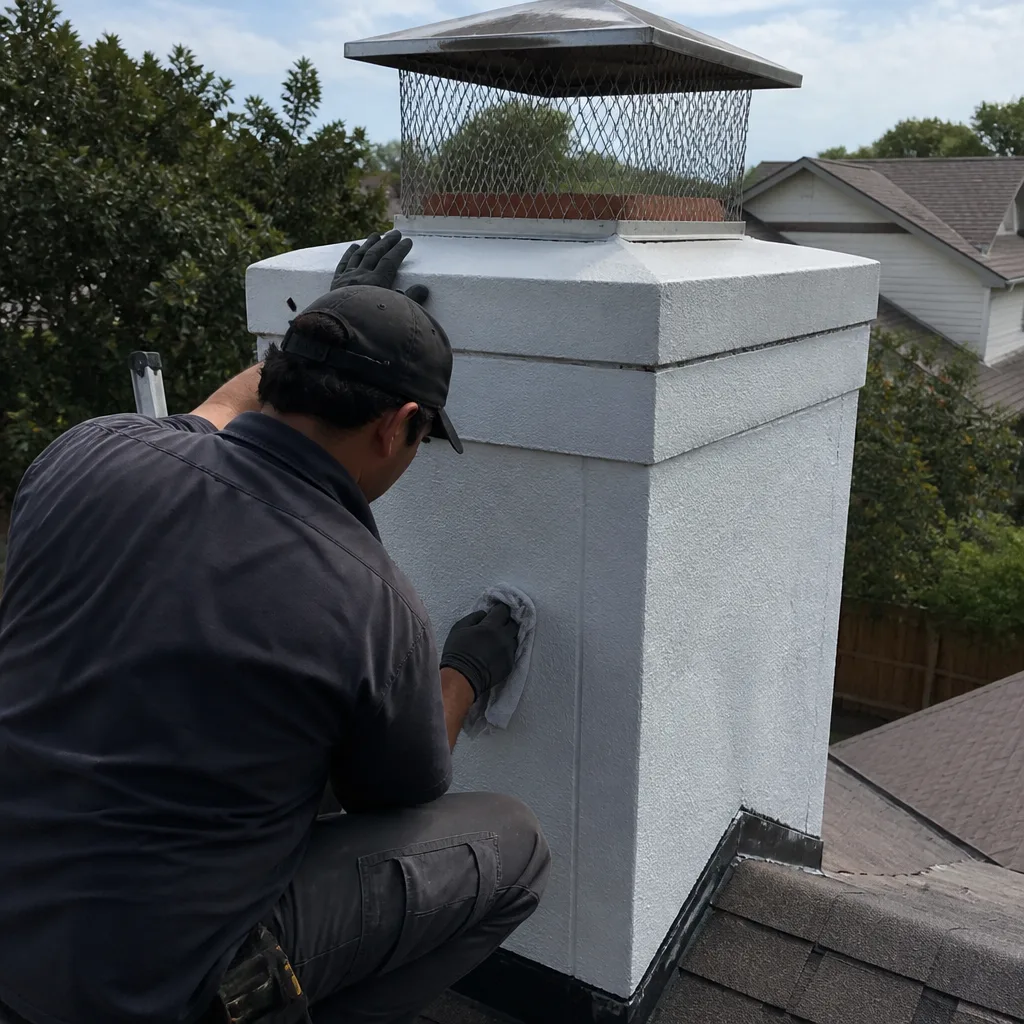 After