
Last updated October 31, 2026
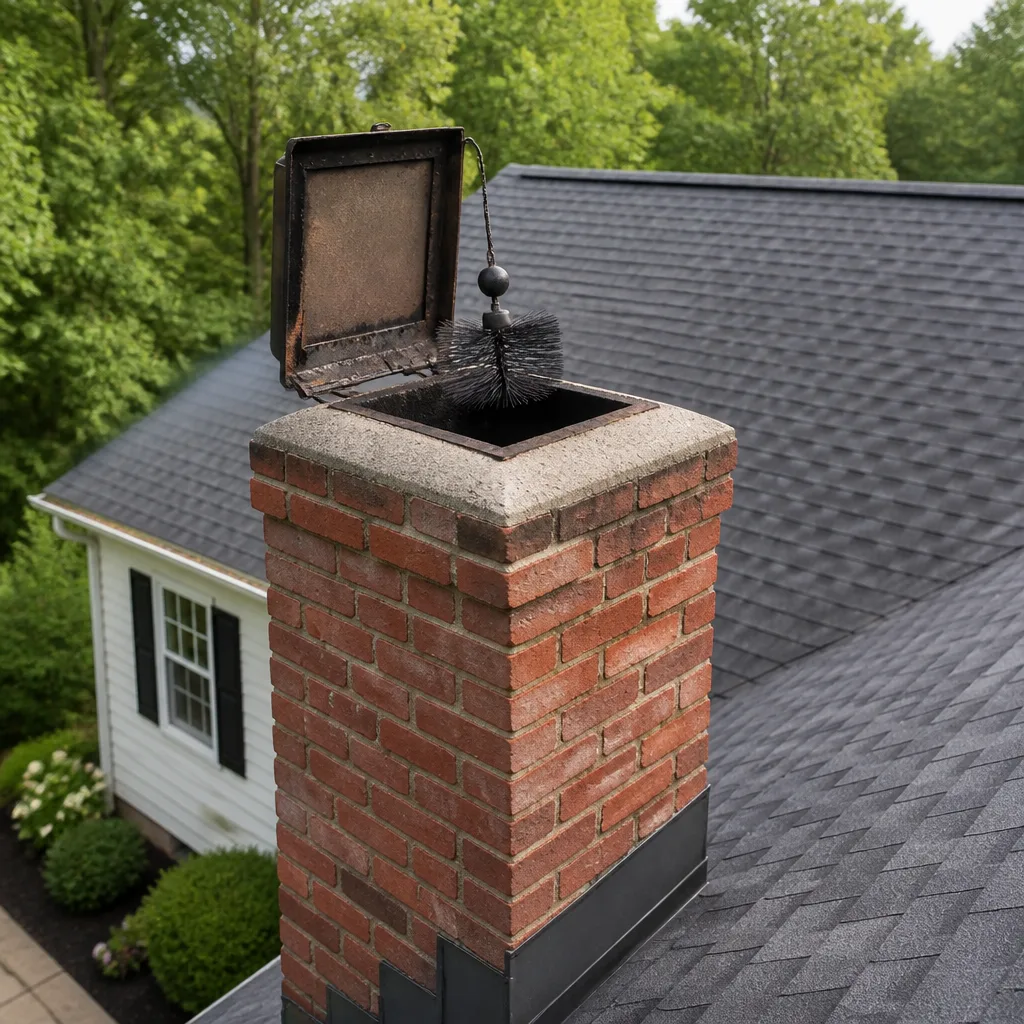 Sweep & inspection
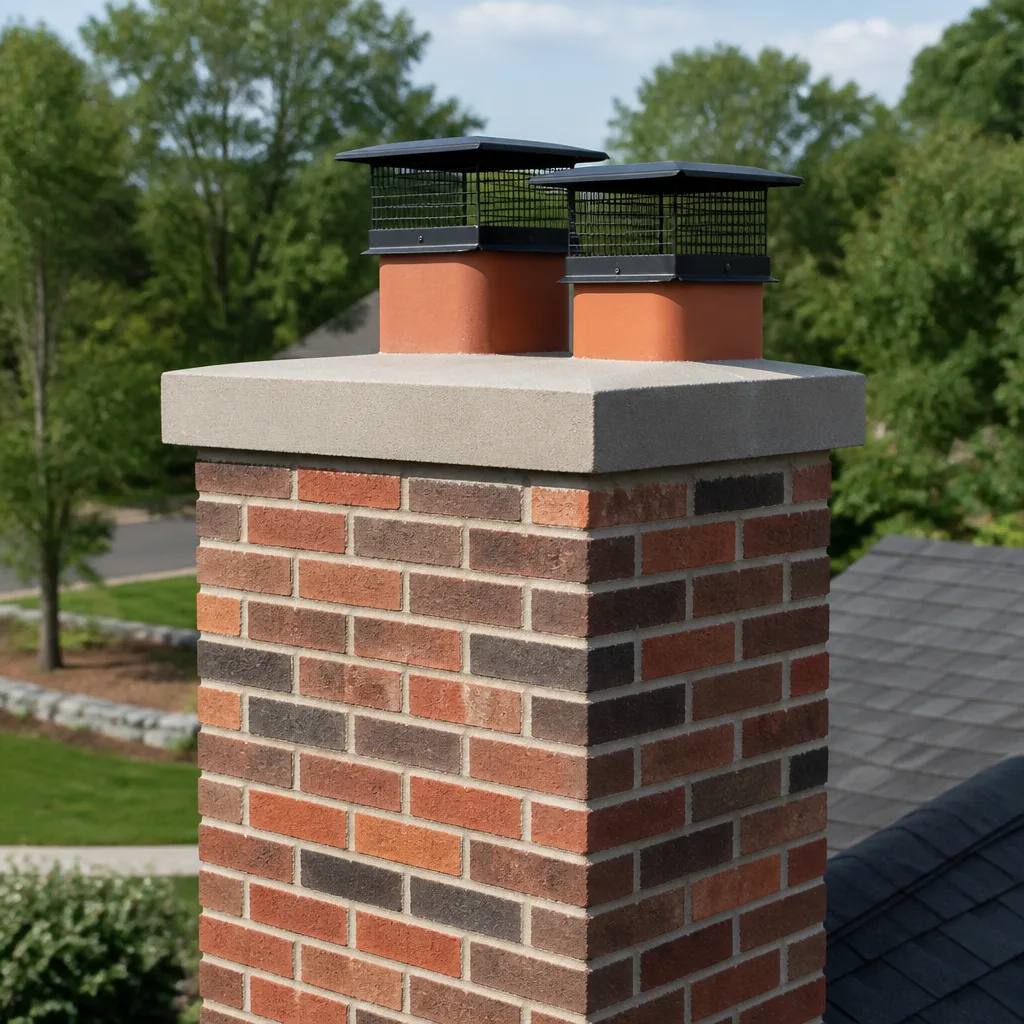 Caps & crowns
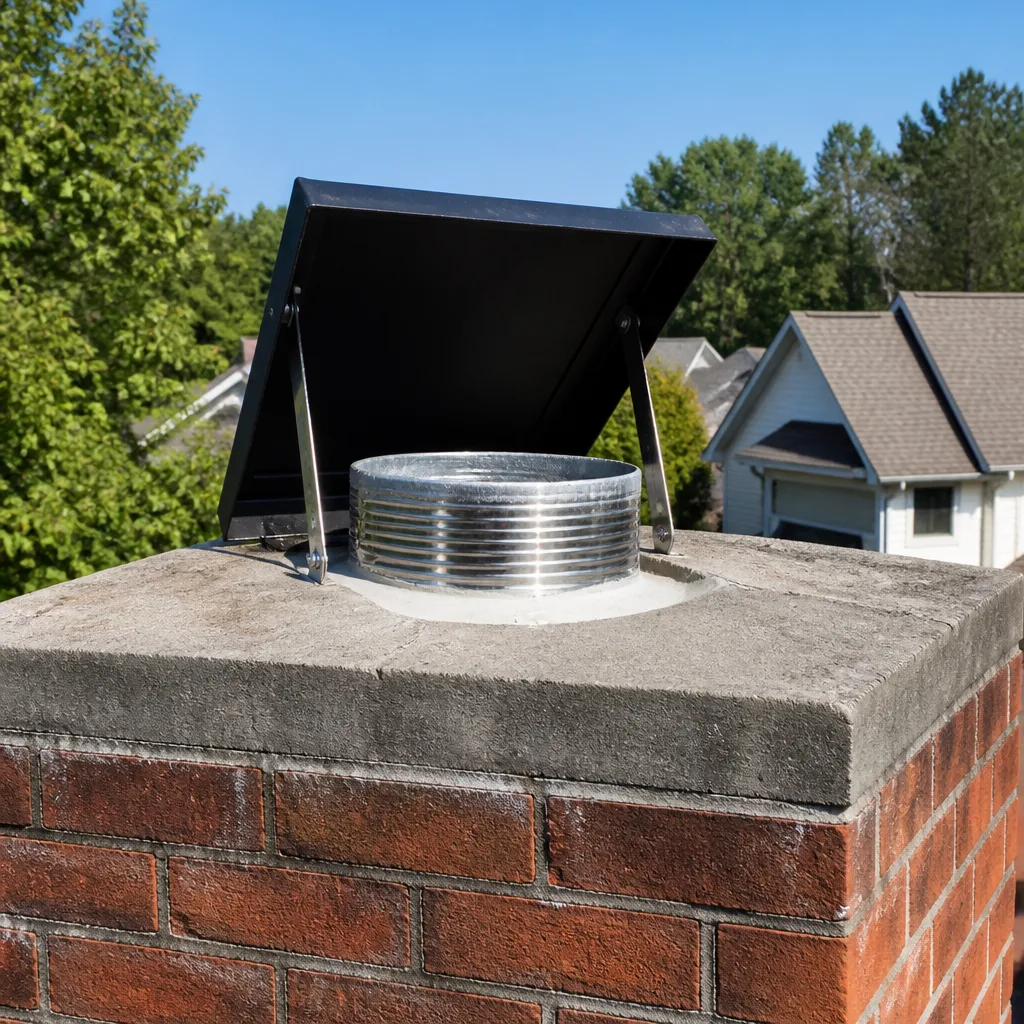 Flue relining
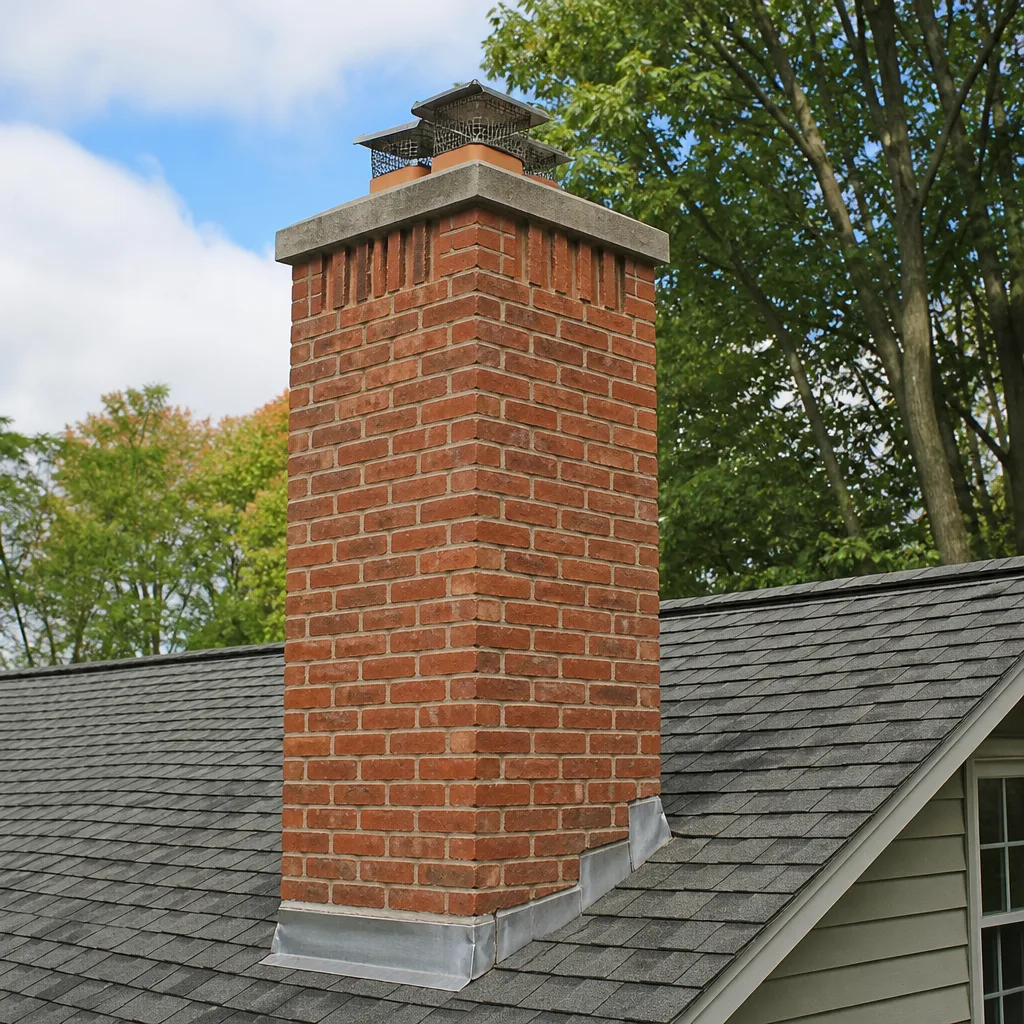 Masonry repair
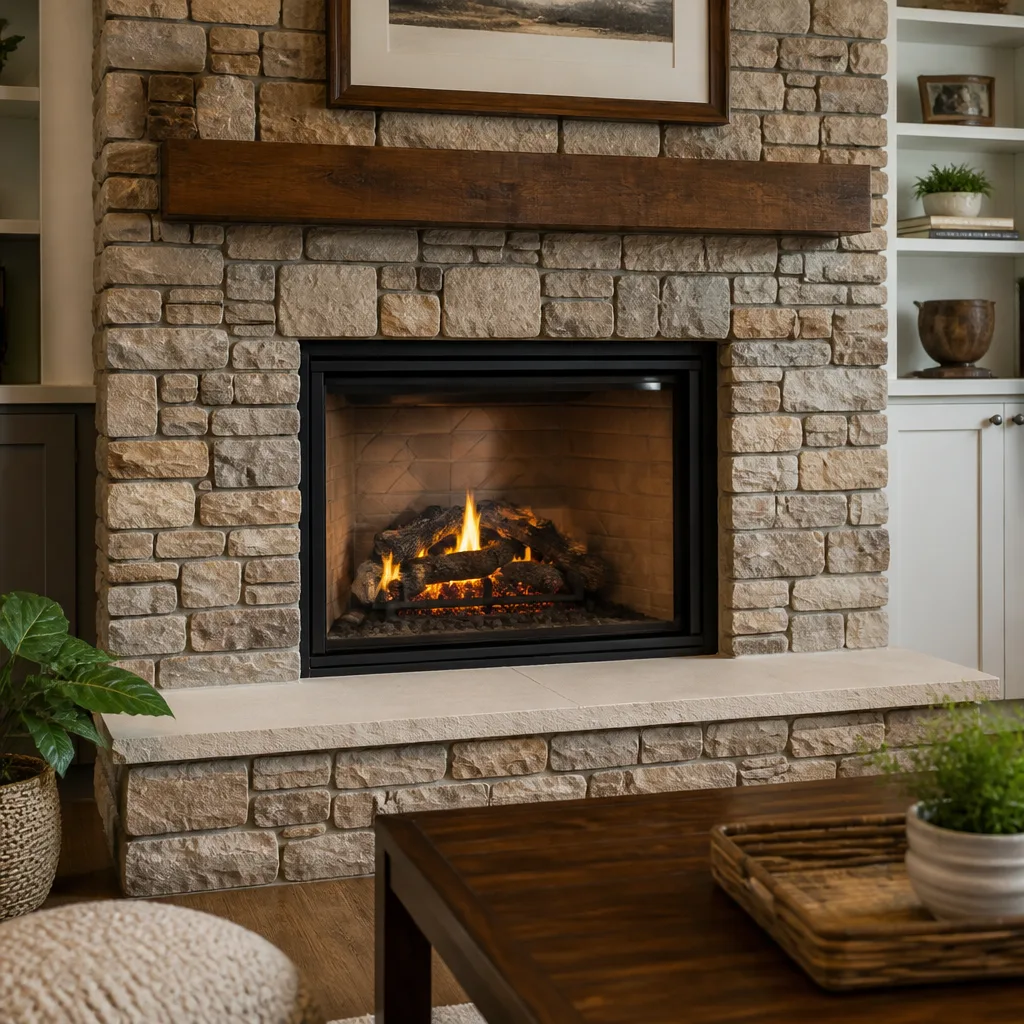 Gas fireplace service
Level 1 sweep and inspection to the NFPA 211 annual standard - flue, crown, cap, and flashing checked and photographed
Chimney sweep logs do not sweep chimneys. They loosen some creosote - which then falls where a brush and vacuum still have to collect it.
Seasonal Chimney Cleaning Care for Round Rock: Year-Round Homeowner’s Guide
Here’s what nobody tells you about owning a fireplace in Round Rock: the months your chimney sits unused are the months it takes the most damage. From May through September, when your fireplace is dormant and the Central Texas sun is relentless, masonry cracks widen, metal components corrode, and animals looking for shelter move into flues. Most seasonal chimney guides are written for places with snow and freezing winters, which means they miss what actually happens to chimneys here; for more guides & resources, see our blog. This guide covers the two critical windows that matter for a Round Rock homeowner – the pre-burn preparation window in October and the post-burn recovery window in March – plus what to do during the long dormant stretch in between.
Styles & brands we work with
Quick Answer
In Round Rock, chimney care follows a two-window rhythm: schedule a professional chimney sweep in Round Rock in October before your first fire, and again in March after burning season ends. During the May-to-September dormant stretch, inspect your rain cap, check for animal entry, and watch for cracking in the crown and mortar joints – because heat expansion and spring moisture cause more chimney damage in Central Texas than cold weather ever will. One fall sweep and one spring inspection, plus a few seasonal checks, keeps your chimney safe year-round.
Table of Contents
- Why Round Rock’s Climate Punishes Chimneys Differently
- The Dormant Season: May Through September
- October Pre-Season: The Four Things to Confirm Before the First Fire
- Burning Season: November Through February
- Post-Burn Recovery: Late February and March
- Rain Caps and Pollen: The Central Texas Problem
- When to Schedule Your Sweep Relative to First Freeze
- Common Mistakes to Avoid
- When to Call a Professional
- Frequently Asked Questions
- The Bottom Line
Why Round Rock’s Climate Punishes Chimneys Differently
A chimney in Round Rock lives a different life than a chimney in Ohio. Ohio chimneys face freeze-thaw cycles: water seeps into tiny cracks, freezes, expands, and splits the masonry. Round Rock sees maybe a dozen hard freezes a year, so that classic failure mode matters less. What matters more here is heat. Summer temperatures routinely hit the high 90s and low 100s for weeks at a stretch, and direct sun on a south-facing or west-facing chimney crown heats that surface to 140 degrees or more. Standard mortar expands and contracts at a different rate than the brick or stone around it. Over enough summers, the differential movement creates hairline cracks that widen into gaps. Those gaps let rain in during the spring and fall storms, and the cycle repeats.
We also deal with humidity swings. A Round Rock summer morning might start at 70 percent humidity and drop to 30 percent by late afternoon. Clay flue tiles and brick absorb and release moisture with those swings. Each cycle stresses the crown, the mortar joints, and the flashing where the chimney meets the roofline. If you look at chimneys in older Round Rock neighborhoods – around old downtown or established areas like Forest Creek – you’ll see the same pattern: crown deterioration starts on the sun-exposed side first. That’s not random. That’s heat loading.
The practical takeaway: your chimney needs a spring and fall inspection rhythm, not just a fall sweep, as outlined in our Chimney Cleaning Permits, Codes & Inspections in TX: What You Need to Know. A chimney that looked fine in October can develop new cracks by May simply from the summer heat cycle doing its work. Catching those cracks early means a crown sealant application rather than a full crown rebuild. Waiting until you smell smoke in the house means you’re already paying the expensive version of the fix.
The Dormant Season: May Through September
Most Round Rock homeowners ignore their chimneys from the last spring fire until the first fall chill, a risky habit our Chimney Cleaning Emergency Preparedness Guide for Round Rock Homes helps you avoid. That’s exactly the window when the structure degrades in predictable ways. Here’s what happens during those five months and what you can actually do about it.
What Summer Heat Does to Your Chimney
Heat affects three parts of the chimney differently. The crown – the concrete-like cap at the top – expands under direct sun. Standard mortar joints between bricks expand too. The metal flashing at the roofline, typically galvanized steel or aluminum, expands at yet another rate. When materials expand at different rates and they’re bonded together, the bond is what fails. A hairline crack between the flue tile and the crown is invisible from the ground and lets water in all summer long. By fall, the interior of the chimney has been wet for months, and that’s when you get musty smells, rusted dampers, and spalling brick faces.
The Pest Problem
If your chimney cap is missing, damaged, or the mesh screen has a hole, May through September is the window when chimney swifts, squirrels, and raccoons in Round Rock look for nesting sites. Chimney swifts are protected by federal law – you cannot legally remove an active nest. Once they settle in, you wait. The right fix is prevention: a properly sized rain cap with intact mesh installed before nesting season starts. If you see birds gathering at the top of your flue in April or May, call for a cap inspection before they commit.
What to Check Yourself in the Dormant Season
You don’t need to climb onto the roof. From the ground, you can check these things:
- Rain cap presence. Look at the top of your chimney. If you don’t see a metal cap, you need one. An uncapped flue is an open invitation to rain, animals, and debris.
- Visible cracks or missing bricks. Use binoculars. Look at the crown first, then the mortar joints. Cracks wider than a dime are worth a professional look.
- Staining on the ceiling near the fireplace. Water that enters through a compromised crown or flashing often shows up as a brown ring on the ceiling or wall near the chimney chase.
- Pest activity. Scratching, chirping, or debris falling when you open the damper are all signs that something has moved in.
If you spot any of these, don’t wait for October. A structural issue found in July gives you three months to fix it before burning season starts. In our experience as Boardwalk Chimney Sweep home specialists in Round Rock, the homeowners who call in September are always in better shape than the ones who call in November.
October Pre-Season: The Four Things to Confirm Before the First Fire
October is the single most important month for Round Rock chimney care. The first real cold front usually arrives in mid-to-late October, and that’s when thousands of homeowners light their first fire of the season. If you haven’t confirmed these four things before that first ignition, you’re burning on faith.
- Creosote levels are safe. Even if you only burned a few fires last season, creosote remains. Creosote is the tar-like byproduct of wood combustion, and it builds up over time in the flue. A flue that looked “not too bad” last March might have cured in the summer heat into a hard, glazed layer. Creosote ignites at 451 degrees, and chimney fires in Round Rock happen almost every winter. A professional sweep confirms that the flue is safe before your first fire.
- The flue is clear of obstructions. Birds, squirrels, and even wind-blown debris can occupy a flue during the dormant months. A camera inspection – not just a visual look from the top – confirms the entire flue path is clear from the firebox to the termination cap. At Boardwalk Chimney Sweep, our Chimney Sweep in Round Rock service always includes a camera inspection before and after sweeping, so you see what we see.
- The damper opens, closes, and seals. Dampers rust in place during humid summers. A damper that’s stuck closed means a smoky house. One that’s stuck open means heated air escaping up the flue all winter, plus conditioned air lost in summer. A simple damper check takes minutes but can prevent both problems.
- The rain cap and crown are intact. If you didn’t check during the dormant months, October is your last chance before rain and cold set in. A damaged cap or cracked crown will let water into the flue, and that water will freeze on the cold nights – creating the freeze-thaw damage Round Rock residents usually don’t expect.
Here’s the timing reality: there are roughly 2,200 CSIA-certified chimney sweeps in the United States serving far more than 2,200 communities. Round Rock doesn’t have a huge pool of qualified sweeps. When the first cold front hits and everyone calls at once, the wait time stretches. Scheduling your October sweep in early October – not mid-November – puts you at the front of the line before the rush.
Burning Season: November Through February
Once the weather turns and you’re using the fireplace regularly, the seasonal tasks shift. The chimney is working, which means creosote is actively accumulating. You’re also burning more wood in a shorter window than most of the country because Round Rock’s burning season is compressed – you might light fires in November, December, January, and February, then stop entirely in March. That compressed burn pattern has implications.
Monitor Creosote During the Season
If you burn a fire three or more nights a week, the flue accumulates creosote faster than you might expect. Here’s a simple rule of thumb from the National Fire Protection Association: have the chimney inspected at minimum once per year, and swept whenever creosote buildup reaches 1/8 inch. For a heavy burner in Round Rock, that sometimes means a mid-winter sweep – especially if you’re burning oak or pecan, which burn hot but still produce creosote, especially when wood isn’t fully seasoned.
Hardwood species common in Central Texas – post oak, live oak, pecan – will produce less creosote than pine or cedar if they’re properly seasoned. But “properly seasoned” means the wood was cut, split, and stacked for at least six to twelve months. If you’re buying “seasoned” wood from a roadside seller in October in Round Rock, there’s a good chance it was cut in August. Test it: well-seasoned wood has visible cracks at the ends and makes a clean “clunk” when two pieces are struck together, not a dull thud.
Watch for Signs of a Problem
During burning season, a healthy chimney is quiet. If you notice any of these, stop burning and call for an inspection:
- A strong smoky smell even when the fire isn’t lit
- Visible smoke entering the room instead of going up the flue
- Dark, tar-like drips visible inside the firebox
- Unusual popping or cracking sounds from the chimney during a fire
- Pieces of flue tile or masonry falling into the firebox
One thing worth noting for Round Rock specifically: wind. The open geography around Williamson County can push steady gusts, and certain wind directions can create downdrafts that push smoke back into your living room even with a properly sized flue. A rain cap with a wind-deflection design helps. If you’re dealing with persistent downdraft issues, the fix might be a specialized cap rather than a chase cover or flue extension.
Post-Burn Recovery: Late February and March
Most national chimney guides tell you to sweep in the fall and call it done. For a Round Rock home, the spring window matters almost as much. Here’s why: March is typically one of our wetter months, with frontal systems bringing sustained rain. If your flue has a full season of creosote deposited and spring rain enters through a gap in the crown or flashing, the creosote absorbs that moisture. Wet creosote is corrosive. It attacks metal dampers, metal flue liners, and the mortar joints in masonry chimneys. It also smells – that unmistakable stale-barbecue odor drifting into the house on humid March days is wet creosote.
A post-season sweep in March removes the creosote before the spring rains can saturate it. Here’s the sequence we recommend for Round Rock:
- Sweep in late February or early March once you’re done burning for the season. This removes creosote, soot, and ash from the flue so nothing sits for six months.
- Have the crown and flashing inspected at the same visit. Spring rain exposes any winter damage and gives you the summer to repair it before the next burning season.
- Close the damper and confirm the seal. If your damper doesn’t seal tightly, you’ll lose air-conditioned air all summer – in Round Rock, that’s real money on your cooling bill.
- Verify the rain cap is secure. Central Texas spring storms can pack gusty winds. A loose cap that rattles in a storm may leave the flue unprotected by summer.
A March sweep also prepares the chimney for the dormant season, which brings us back around the cycle. If you do a March sweep and a fall inspection, your chimney enters the summer stretch clean and covered, which dramatically reduces the damage the dormant season can cause.
Rain Caps and Pollen: The Central Texas Problem
No national chimney guide mentions pollen buildup on rain caps because most of the country doesn’t have pollen seasons like Central Texas. We do. In Round Rock, cedar elm pollen starts building in February and can create a green-yellow film on horizontal surfaces that lasts for weeks. Live oak pollen peaks in March and April. Both of these tree species are abundant throughout the Round Rock area, and their pollen doesn’t just land on your car – it accumulates on your rain cap.
Here’s what happens: a standard rain cap has a mesh screen around the sides to keep animals out while letting smoke escape. Pollen, combined with dust and dirt from the region, can clog that mesh. When the mesh is partially blocked, airflow through the flue is restricted. That means poorer drafting during fires, more smoke lingering before it exits, and more creosote accumulation because combustion byproducts aren’t venting as efficiently. It also traps moisture against the mesh, accelerating rust on the cap itself.
The fix is simple but often overlooked: include the rain cap in your seasonal inspection. Brushing the mesh clean during an October sweep and again during a March sweep takes two minutes and keeps airflow unrestricted. If you have a rain cap with particularly tight mesh – some caps use 3/4-inch mesh, others use 5/8-inch – it’s more prone to clogging with our local pollen mix. We use caps from Famco and Copperfield, both of which use accessible mesh sizes that are easy to clean and maintain, and both hold up well to Central Texas UV exposure.
If you notice your fireplace drafting worse in spring than it did in winter, pollen-clogged cap mesh is a common culprit that costs nothing to fix and can be diagnosed from the ground with binoculars.
When to Schedule Your Sweep Relative to First Freeze
Round Rock’s average first freeze date, per National Weather Service data, falls around November 18. That’s later than most of the country, and it creates a scheduling trap. Here’s the trap: homeowners wait for the first chilly evening to think about the fireplace. By the time you’re motivated to schedule a sweep, the sweep is already booked. That first freeze in mid-November isn’t the deadline – it’s the beginning of the emergency season.
The smarter approach is to anchor your sweep to a date that’s already in your calendar: October 1. Scheduling in the first week of October means the sweep is done three to five weeks before you need it. If the inspection reveals a problem – a cracked flue tile, excessive creosote, a bad damper – you have time to fix it without missing any burning days. Waiting until November means you’re one of dozens of Round Rock homeowners calling the same week, with the same “I need it done before Thanksgiving” request.
The same logic applies to Chimney Repair in Round Rock. If your October sweep finds liner damage or crown deterioration, scheduling the repair in October is straightforward. If you discover the problem in December, you’re either burning with a known defect or skipping the season entirely. A full-service company like Boardwalk Chimney Sweep handles the sweep and the repair, which eliminates the “the sweep said I need a repair, now who fixes it?” handoff that eats weeks.
Example: A Realistic Round Rock Timeline
- October 1-15: Schedule your pre-season sweep and inspection. Allow time for repairs if needed.
- October 15-31: Any repairs are completed. Verify rain cap, damper, and crown are ready.
- November through February: Burn normally. Monitor for signs of drafting problems or creosote buildup.
- Late February / early March: Post-season sweep. Remove creosote before spring rains arrive.
- April through September: Dormant-season checks. Confirm rain cap mesh is clear, damper is sealed, and no new cracking appears after summer heat cycles.
This timeline costs roughly the same as a fall-only approach but prevents most of the expensive repair scenarios. A chimney that’s swept twice a year and inspected during the dormant season rarely needs emergency work.
Common Mistakes to Avoid
- Waiting for cold weather to schedule a sweep. By the time Round Rock sees its first freeze, every sweep in the area is booked. Early October scheduling avoids the rush and gives you repair time if the inspection finds problems.
- Ignoring the chimney from March to October. The dormant season causes the most structural damage through heat expansion, humidity swings, and animal entry. A ground-level visual check once a month costs nothing and catches problems before they’re expensive.
- Burning unseasoned wood. Wood from roadside sellers in Round Rock is often freshly cut. Unseasoned wood produces more creosote, burns cooler, and causes more buildup than properly dried wood. Stack and season your wood for at least six months if you buy it fresh.
- Assuming a rain cap is optional. An uncapped flue in Round Rock means rain in the flue, birds nesting in April, and pollen accumulating directly in the chimney. A quality cap from Famco or Copperfield is under $200 installed and prevents all three.
- Skipping the post-season sweep. The “just sweep it in the fall” habit leaves creosote sitting through the March-April rain season. Wet creosote corrodes the chimney from the inside and smells. A March sweep prevents that damage.
- DIY sweeping with a wire brush from the home center. Without camera inspection before and after, you don’t know what’s in the flue, what’s blocking it, or whether you actually cleaned anything. Professional sweeps in Round Rock use rotary cleaning systems and camera verification for a reason.
- Fixing one problem and ignoring the rest. A cracked crown, a clogged rain cap mesh, and a poorly sealing damper are usually found together. Repairing only the crown and ignoring the cap means water enters a different way next season.
When to Call a Professional
Some things you can check from the ground with binoculars. Some things require a professional. Call a chimney sweep if you notice any of these: visible cracks in the crown or mortar joints wider than a dime, a missing or badly rusted rain cap, water staining on the ceiling near the chimney, a strong smoky smell when the fireplace isn’t in use, or any sign of animal activity in the flue. Also call if your fireplace has never been inspected since you bought the home, or if you’ve burned more than a cord of wood since the last sweep. Boardwalk Chimney Sweep offers free estimates in Round Rock – call (877) 274-1247 and we’ll send a technician to look at your chimney, check the liner with a camera, and give you an honest recommendation. One call covers both your chimney and Dryer Vent Cleaning in Round Rock, which addresses the two leading household combustion hazards in the same visit.
Frequently Asked Questions
The National Fire Protection Association standard is to sweep whenever creosote buildup reaches 1/8 inch, which typically means once per year for moderate burners. For Round Rock homeowners who burn more than three nights a week from November through February, a second sweep in late February or March removes creosote before spring rain arrives. Call (877) 274-1247 for a free estimate and we’ll help you figure out the right frequency for your burn pattern.
Yes. Light use still deposits creosote, and the dormant-season risks – rain entry, animal nesting, crown cracking – apply whether you burn two fires or fifty. A once-a-year inspection catches structural problems early, even if the flue doesn’t need a full sweep every time.
Creosote accumulates to unsafe levels, increasing the risk of a chimney fire. Water enters through uncapped flues or cracked crowns, causing mortar deterioration and flue tile damage. Animals nest in the flue, blocking airflow and creating carbon monoxide risk when you eventually burn. Small problems compound into expensive repairs: a crown seal that costs a few hundred dollars becomes a crown rebuild at several times that cost.
A standard chimney sweep and inspection in the Round Rock market typically runs between $180 and $340, depending on the type of chimney, the level of creosote, and whether the flue has any accessibility issues, as detailed in our Chimney Cleaning Cost Breakdown: The Round Rock Homeowner’s Reference for 2026. That range covers a professional cleaning with camera inspection before and after. If a sweep identifies liner damage, solutions like HeatShield resurfacing or a DuraFlex liner installation are quoted separately with the camera evidence shown to you before any work is approved. Call (877) 274-1247 for an exact quote – estimates are free.
You can purchase a brush and run it through the flue, but without a camera inspection you’re working blind. You can’t see whether you’ve removed all creosote, whether the flue has hidden cracks, or whether an animal has nested below your brush line. Professional sweeps in Round Rock use rotary systems that remove glazed creosote that brushes can’t touch, and they verify results with video. The DIY approach saves a couple hundred dollars and costs you the information the inspection provides.
Yes, though the concerns are different. Gas fireplaces don’t produce creosote, but they do produce water vapor that can condense inside the flue, and a gas fireplace that hasn’t been inspected in years may have corrosion, blocked vents, or insect activity. Gas logs also shed less heat into the flue, which means condensation is a bigger issue. An annual inspection for a gas fireplace confirms the venting is clear and the damper functions correctly. Call (877) 274-1247 and we’ll check it as part of a standard chimney service visit.
The Bottom Line
A Round Rock chimney needs a different care rhythm than chimneys in colder climates. The damaging season here is summer, not winter – heat expansion, humidity swings, and animal entry during the May-to-September dormant stretch cause more long-term deterioration than freezing temperatures ever will. The answer is a two-window maintenance schedule: sweep and inspect in early October before the first cold front, sweep again in late February or March before spring rains, and do simple ground-level checks during the dormant months. Keep the rain cap mesh clear of cedar elm and oak pollen, burn only seasoned wood, and don’t wait until the first freeze to schedule your sweep. A chimney that follows this rhythm stays safe, drafts properly, and avoids the expensive repair cycle that catches so many Round Rock homeowners by surprise.
Written by the team at Boardwalk Chimney Sweep, serving Round Rock since 2011.
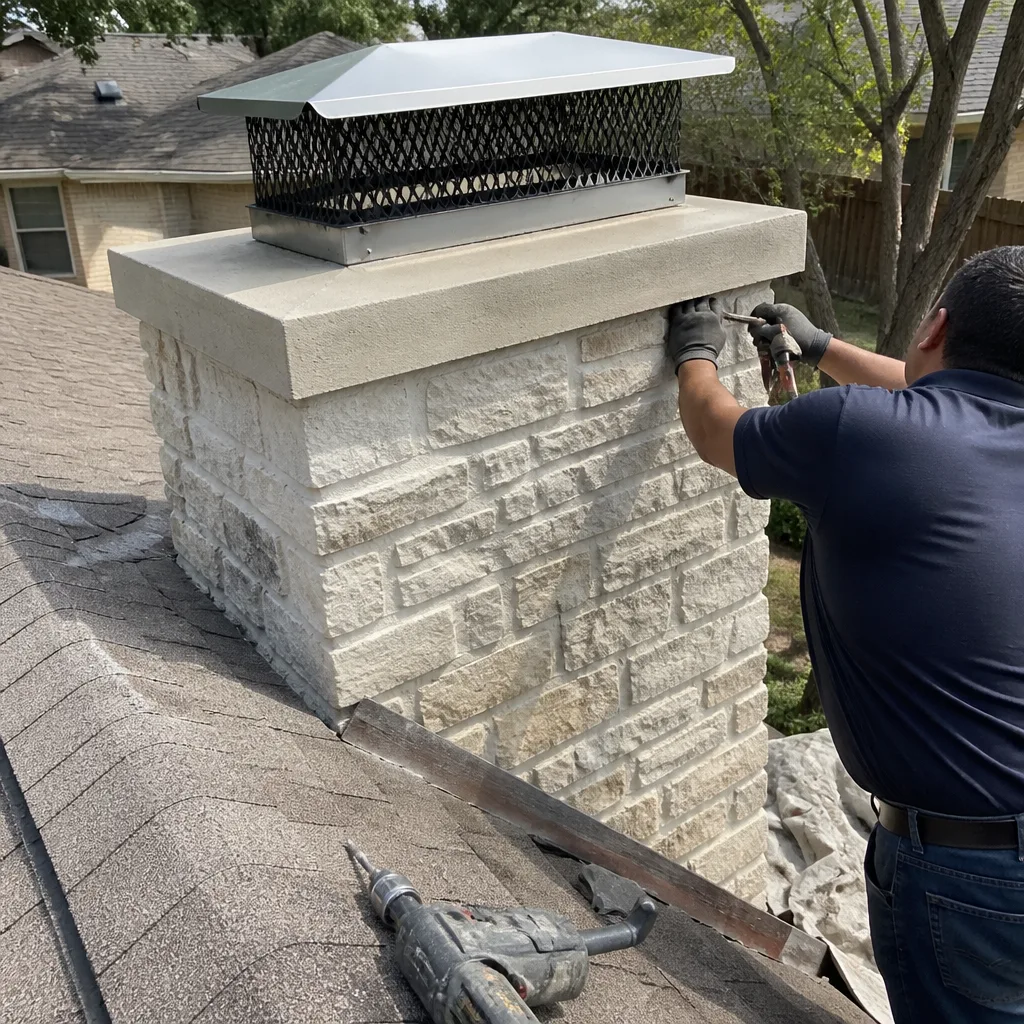
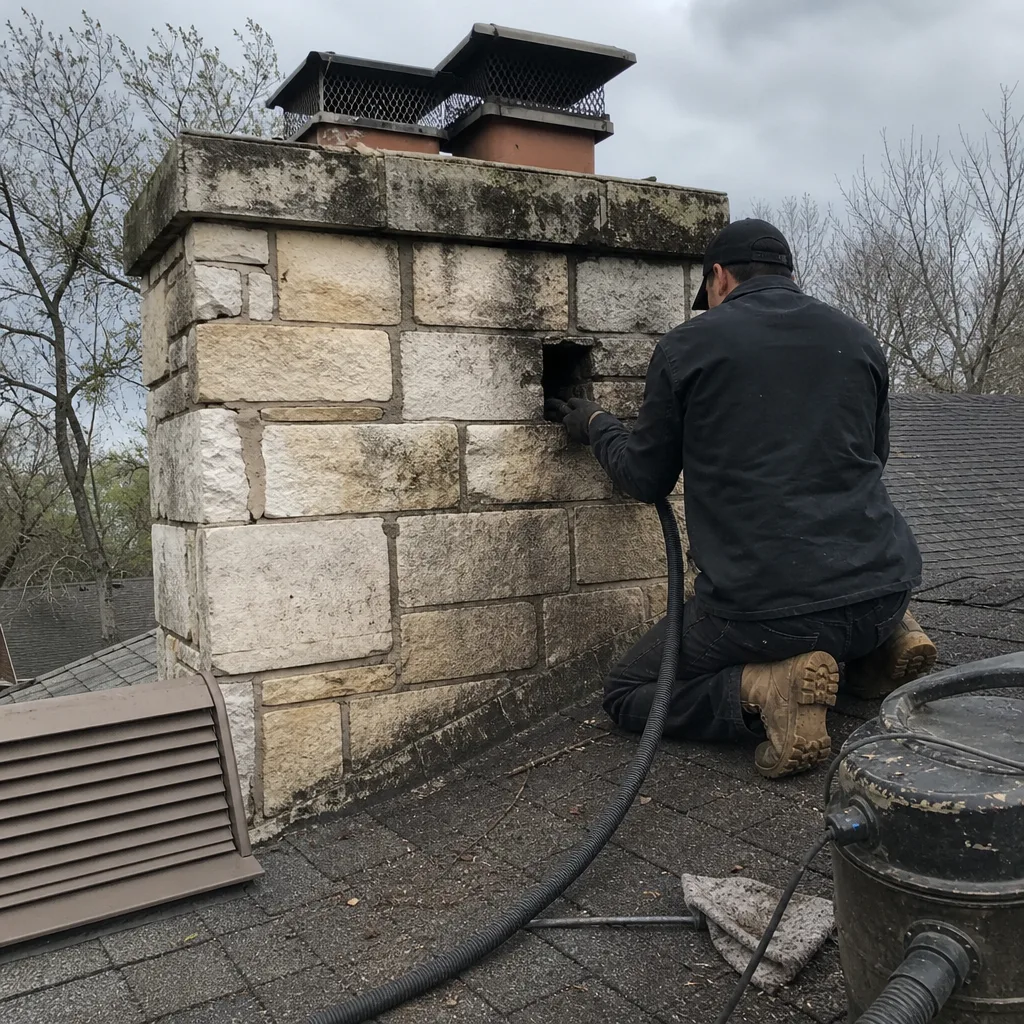
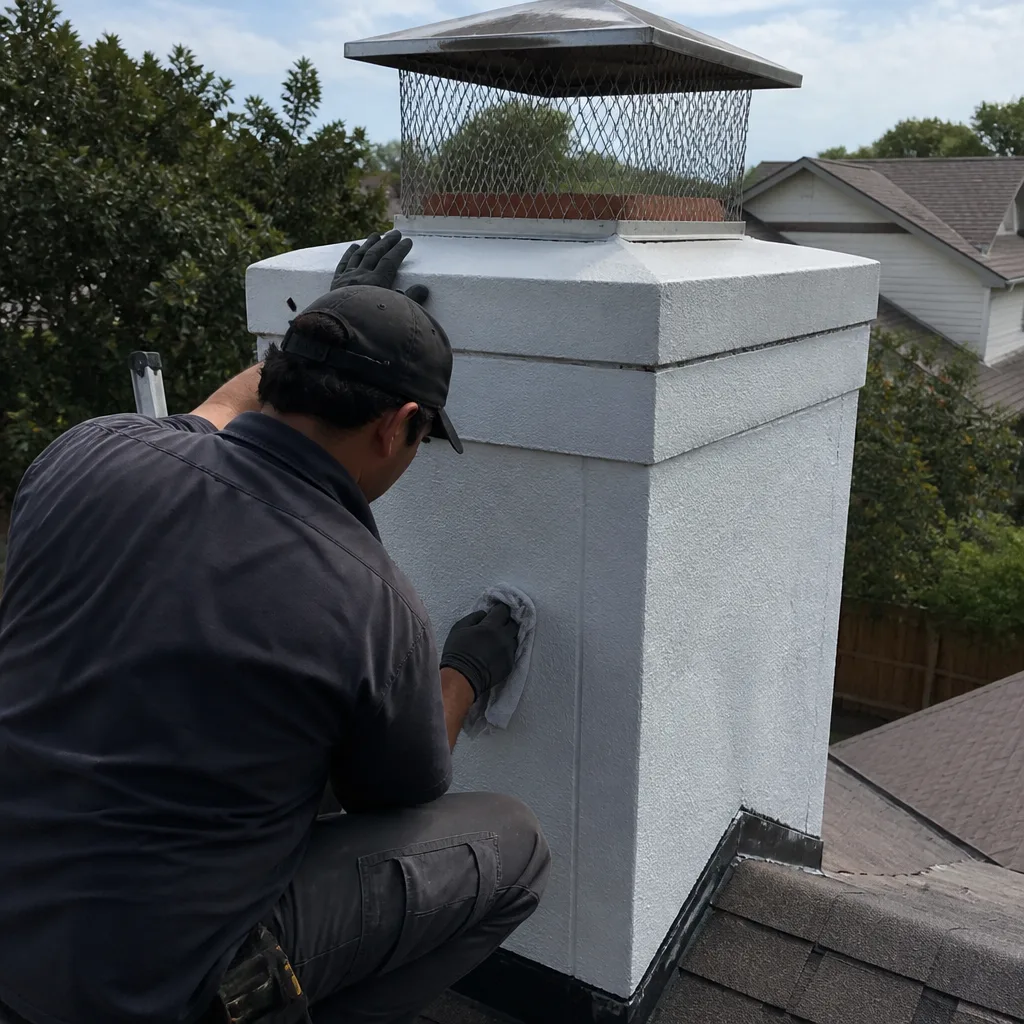
See the difference
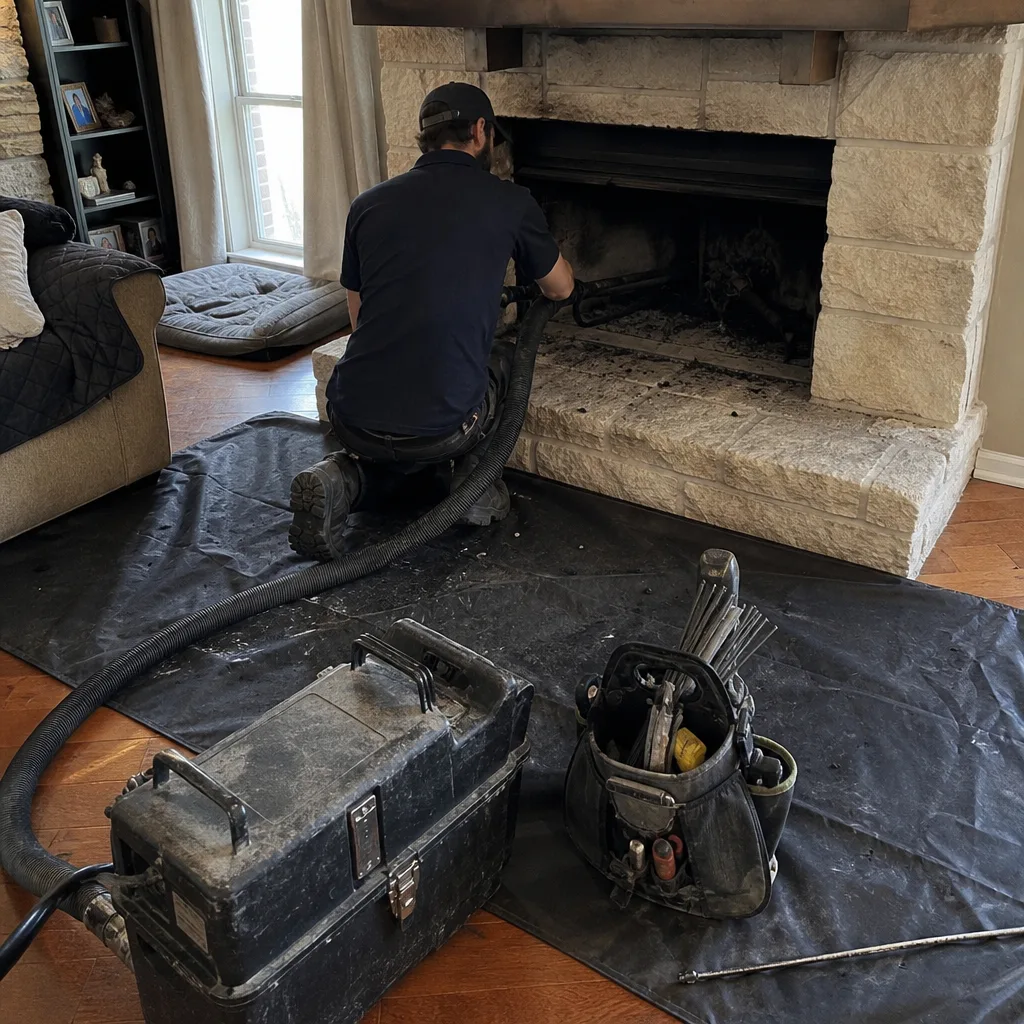 Before
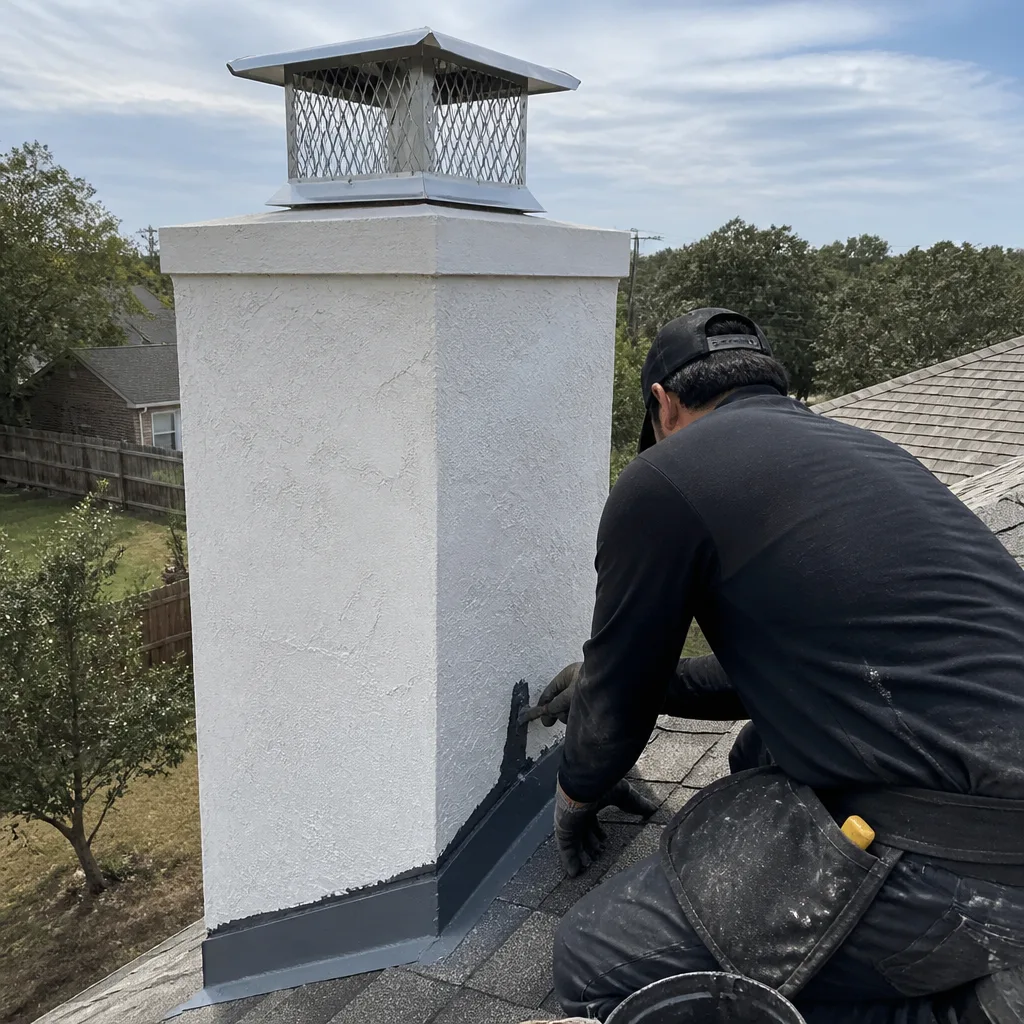 After
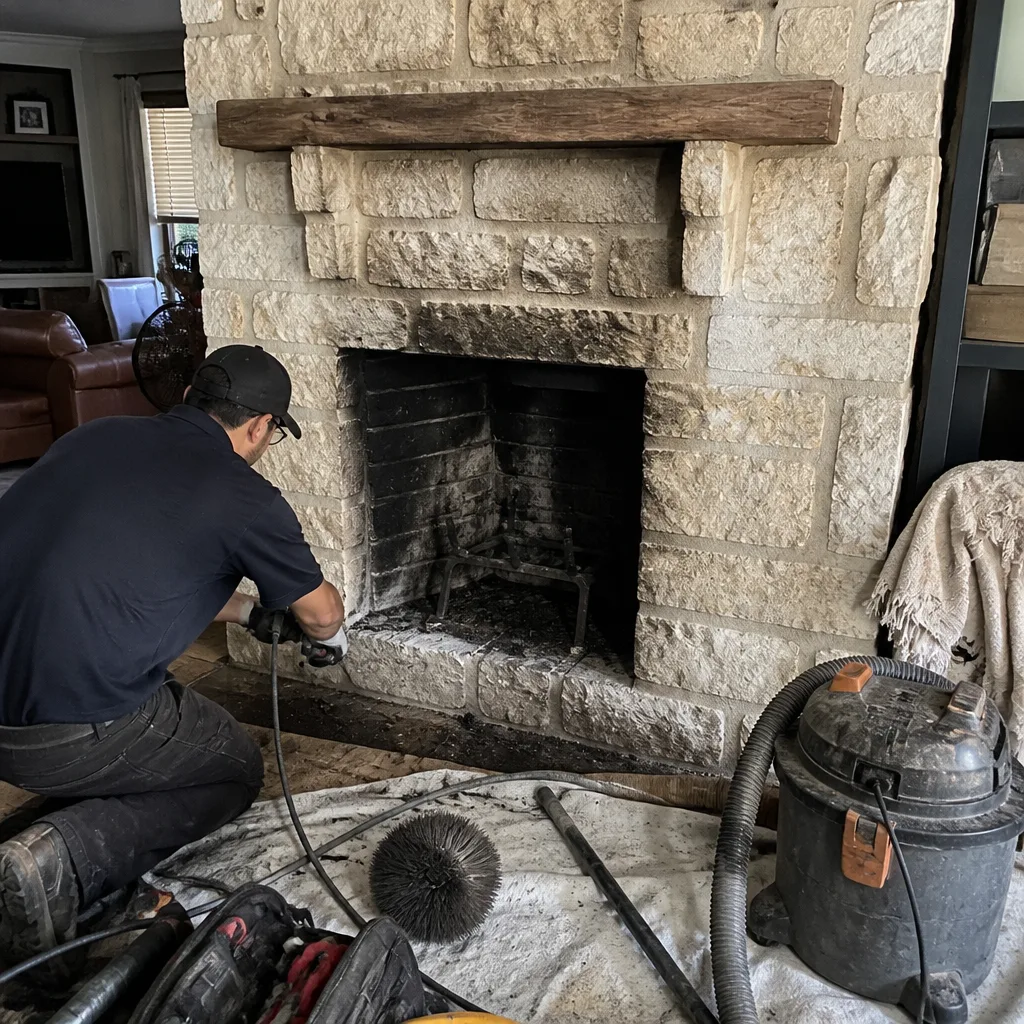 Before
 After
 Before
 After