Last updated October 31, 2026
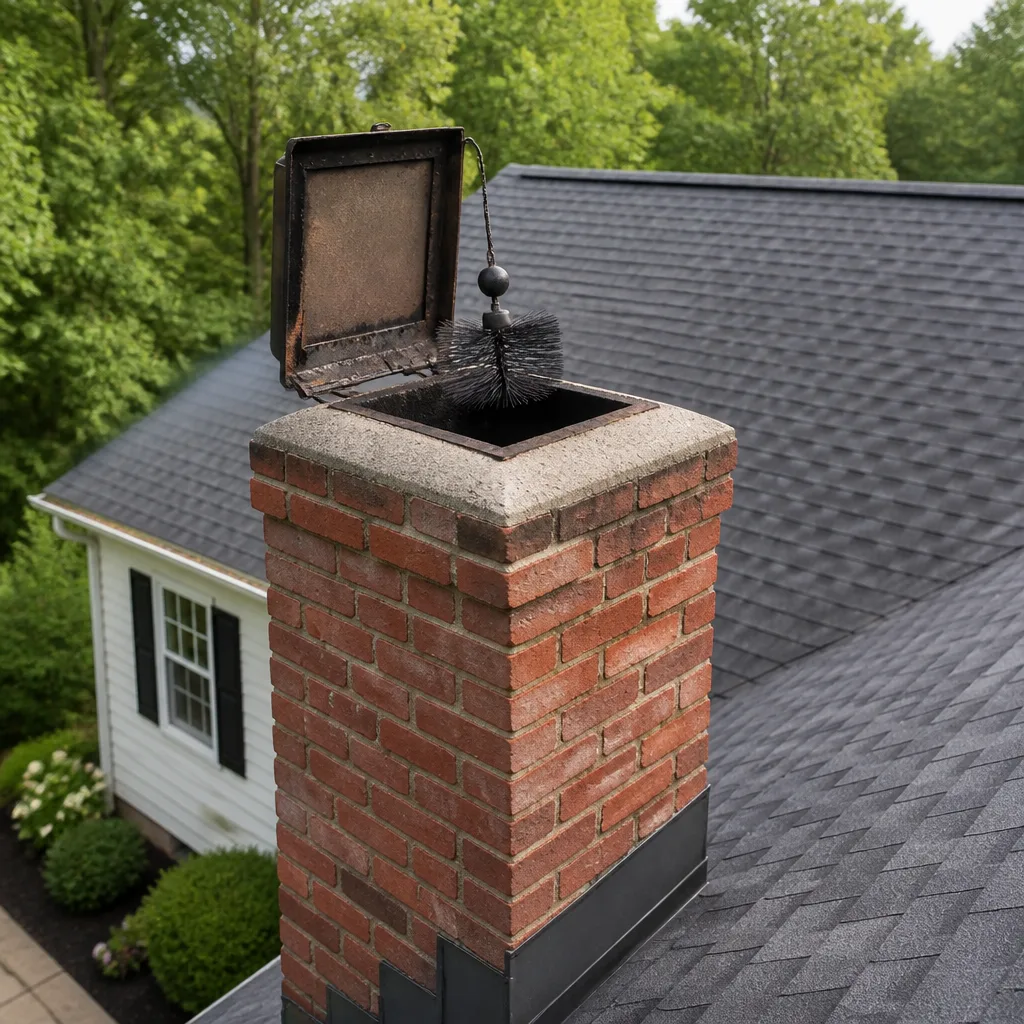 Sweep & inspection
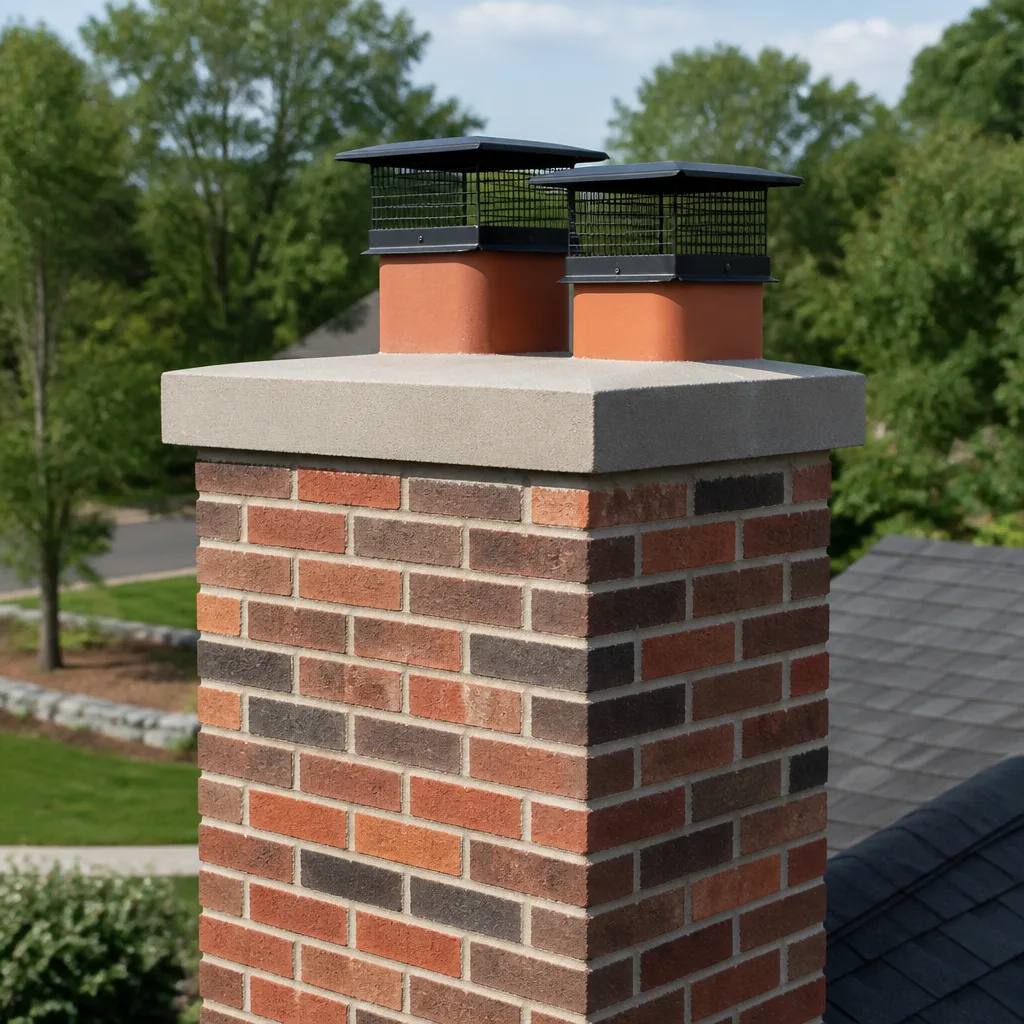 Caps & crowns
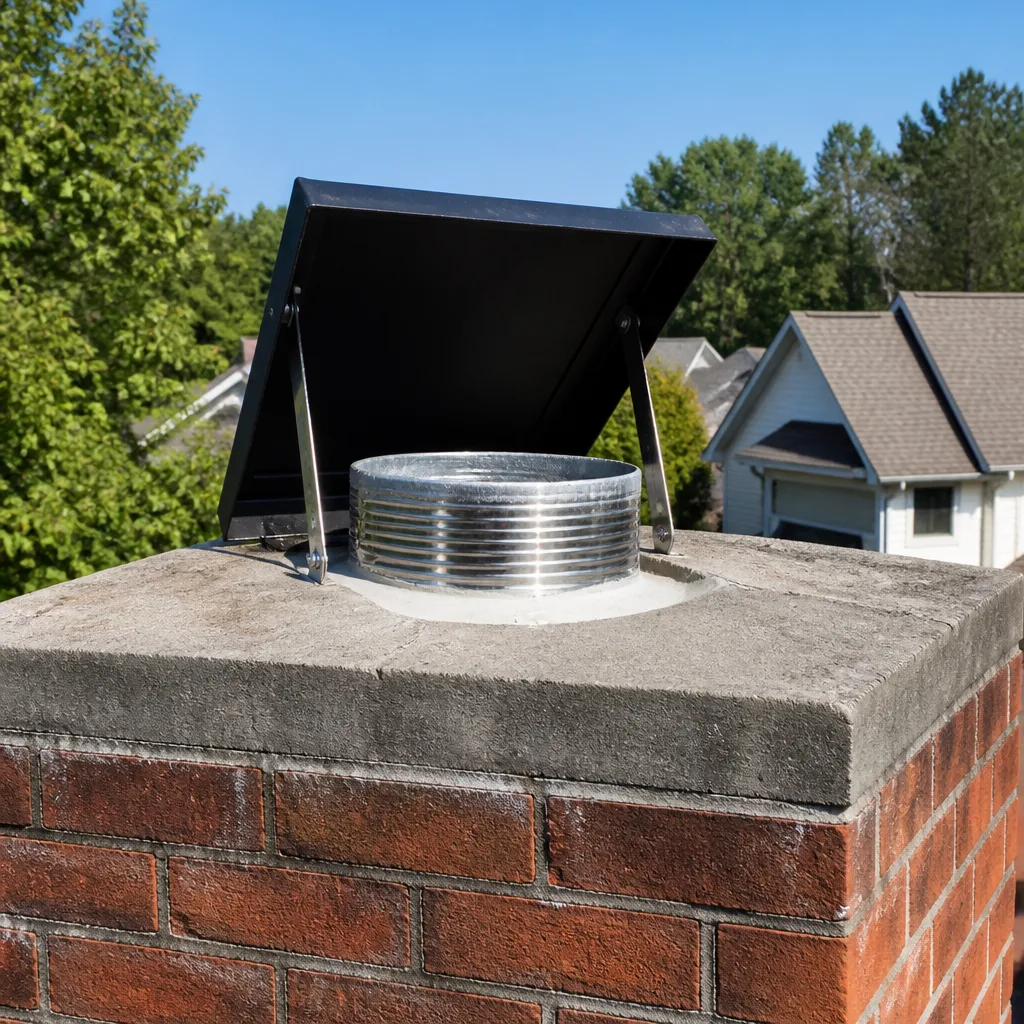 Flue relining
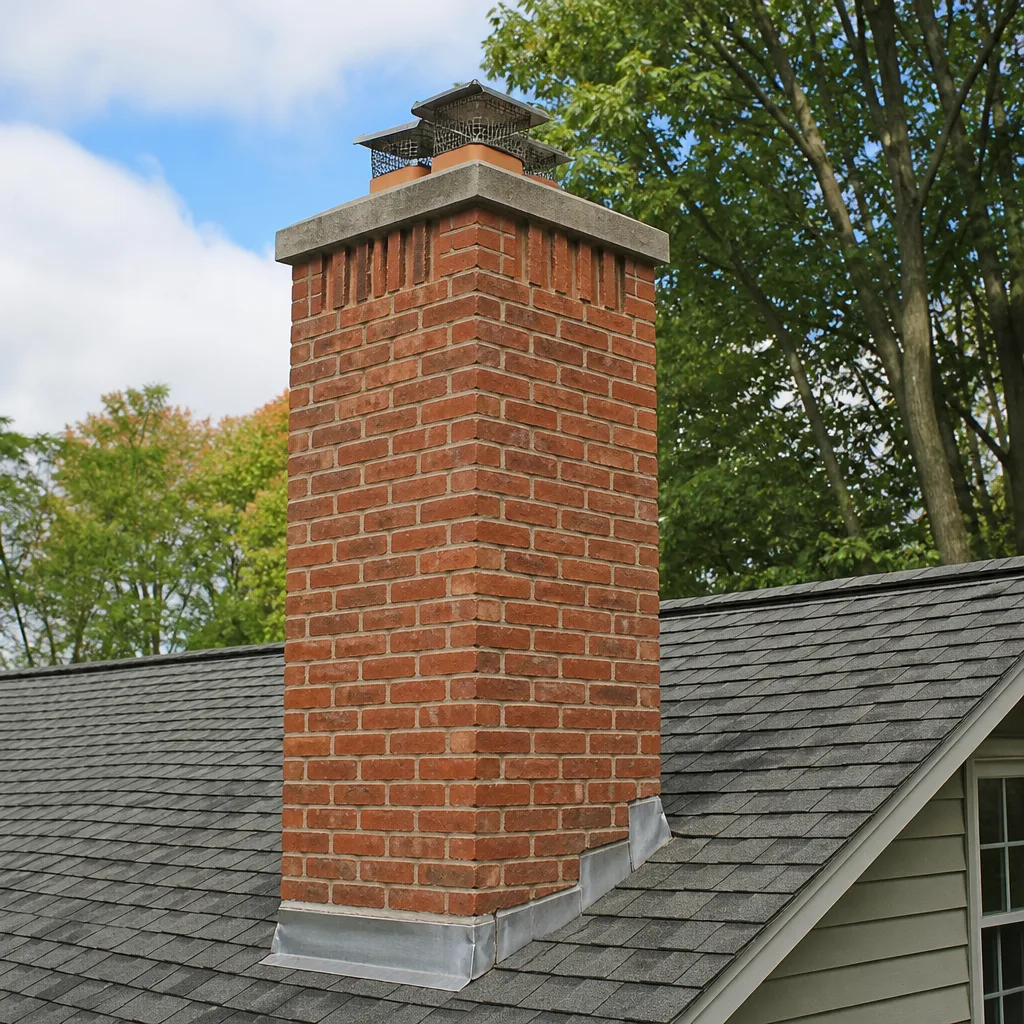 Masonry repair
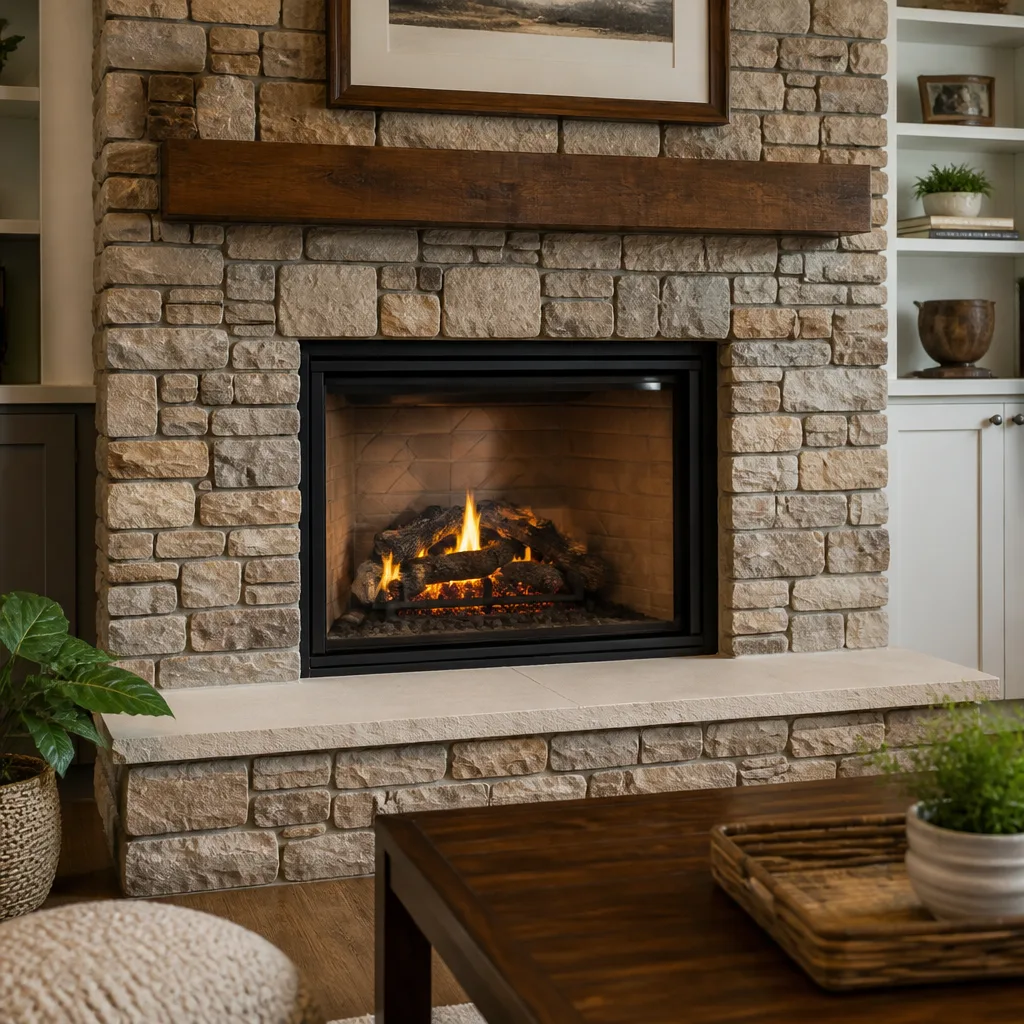 Gas fireplace service
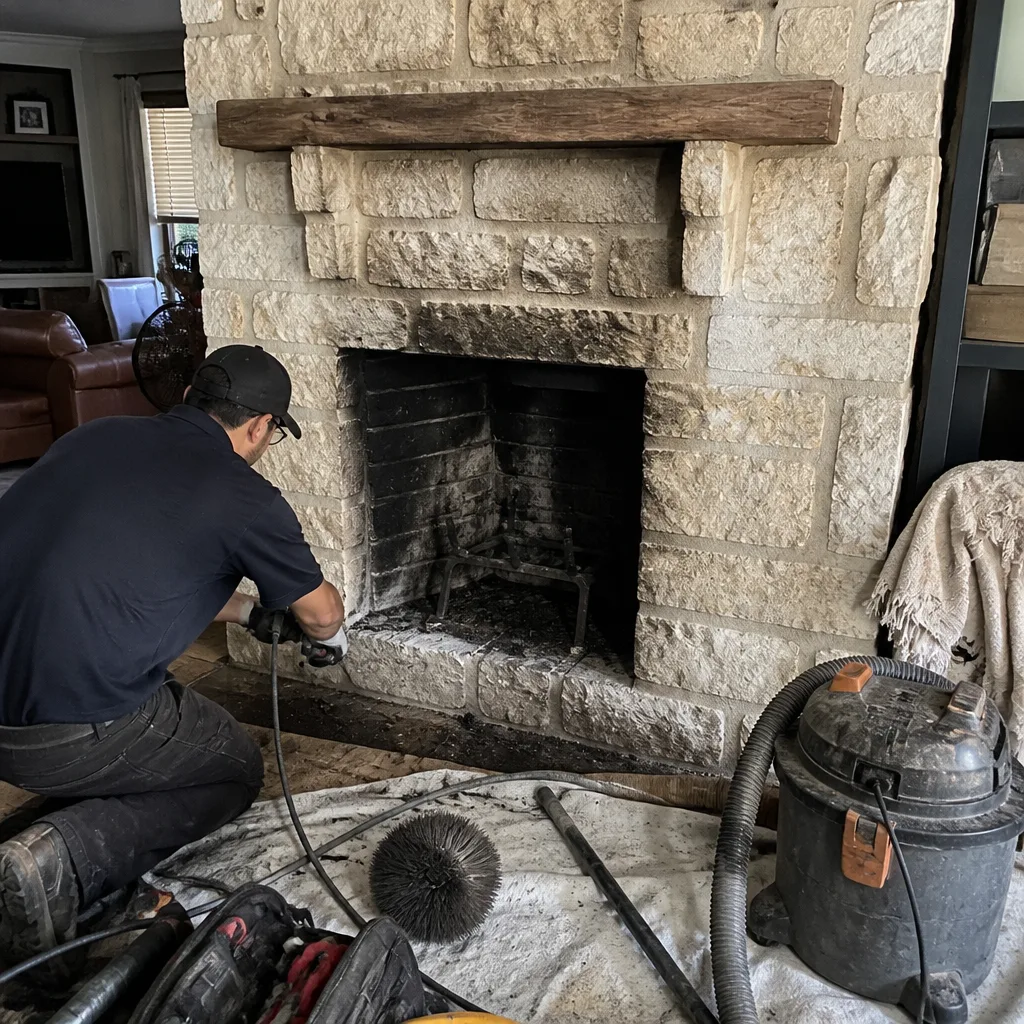
Level 1 sweep and inspection to the NFPA 211 annual standard - flue, crown, cap, and flashing checked and photographed
Chimney sweep logs do not sweep chimneys. They loosen some creosote - which then falls where a brush and vacuum still have to collect it.
How to Hire a Chimney Cleaning Contractor in Round Rock: A Step-by-Step Guide
Texas has no state license requirement for chimney sweeps. Let that settle for a second. Anyone with a van, a website, and a shop vac can legally call themselves a chimney cleaning contractor in Round Rock and start booking appointments. There’s no state board checking their training, no mandatory certification, and in many cases, no insurance requirement until something goes wrong on your roof. That means the job of separating a real professional from a weekend operator falls entirely on you. This guide will walk you through the exact credential checks, insurance documents, and interview questions that filter out the ones who show up with a flashlight and a handshake, and you can explore more guides & resources once you’ve finished. We’ll cover what Round Rock homeowners should ask before anyone sets foot on their property, what CSIA certification actually proves, and the four or five questions that make an unqualified sweep visibly uncomfortable.
Styles & brands we work with
Quick Answer
To hire a chimney cleaning contractor in Round Rock, verify three things before booking: proof of CSIA certification (ask for the ID number, not just the logo), a Certificate of Insurance that names you as additionally insured, and a written scope of work with a flat price before they arrive. Then ask what products they use; a professional will name brands like HeatShield, DuraFlex, or SootEater without pausing. Anyone who hesitates on these questions or pressures you to approve liner replacement the same day they inspect should be crossed off your list.
Table of Contents
- Why the Texas License Loophole Matters in Round Rock
- CSIA Certification: What the Logo Actually Means (And What It Doesn’t)
- The Three Insurance Documents to Demand Before Anyone Goes on Your Roof
- Red Flags in Chimney Sweep Quotes: What an Unqualified Operator Sounds Like
- Williamson County Permits: When a Chimney Job Requires One and How to Verify It
- Questions to Ask About Tools, Products, and Methods
- Common Mistakes to Avoid
- When to Call a Professional
- Frequently Asked Questions
- The Bottom Line
Why the Texas License Loophole Matters in Round Rock
Most homeowners assume that anyone charging money for chimney work has passed some kind of state exam or carries a trade license. That’s true for electricians, plumbers, and HVAC technicians in Texas. It is not true for chimney sweeps. The state does not regulate the industry at all, which means the barrier to entry is essentially the cost of a ladder and a domain name.
In Round Rock, this isn’t a hypothetical problem. The city’s housing stock spans four decades of construction, from 1980s ranch homes in neighborhoods like Brushy Creek and Cat Hollow to newer builds in Teravista and Paloma Lake. Older fireplaces often have original clay-tile liners that are now cracked or spalling. Newer gas fireplaces need different cleaning protocols than wood-burning units. An untrained operator may not know the difference, and that’s not a knock on their effort. It’s simply the reality of a trade with no enforcement mechanism.
What does this mean for you as a homeowner? The vetting process cannot be outsourced to a state database. There’s no lookup tool that says “this person is qualified.” You have to ask direct questions and verify the answers yourself. The rest of this guide gives you the exact questions and the documents that back them up.
Here’s what to remember: if a Round Rock chimney sweep cannot produce a CSIA certification number, a current insurance certificate, and a clear written scope of work, keep looking. Those three items are the minimum floor, not a gold standard.
CSIA Certification: What the Logo Actually Means (And What It Doesn’t)
The Chimney Safety Institute of America (CSIA) is the closest thing the chimney industry has to a national credentialing body. A CSIA Certified Chimney Sweep has passed a written exam covering fire codes, clearances, construction standards, and inspection protocols. They must also pass a field test or document a certain number of supervised sweeps. Certification requires continuing education credits to maintain, so the credential isn’t a one-and-done test.
That sounds strong. And it is, mostly. But there’s a catch many Round Rock homeowners don’t know.
A company can put the CSIA logo on its website without employing a single certified sweep. The logo itself is not a credential. The credential belongs to an individual person, not a company. When you call a chimney cleaning contractor in Round Rock, the right question is not “Are you CSIA certified?” but “What is the CSIA certification number of the person who will be doing the work?” A real professional answers that question instantly. They know their number the way you know your zip code. An operator who just grabbed a logo from Google image search will stammer.
You can also verify the number yourself through the CSIA website’s certification lookup tool. It takes sixty seconds. If the number doesn’t match the name of the person who shows up at your door, that’s a red flag.
Here’s what CSIA certification does not prove:
- It does not prove the sweep has experience with Round Rock’s specific housing stock or climate conditions.
- It does not certify the company’s insurance coverage or business practices.
- It does not mean the sweep is qualified to do liner repair or structural work; CSIA certification covers sweeping and inspection, not all repair methods.
- It does not replace local permitting requirements under Williamson County rules.
Think of CSIA certification as the baseline. It tells you the person has formal training in the craft. It does not tell you everything else you need to know, which is why the insurance section below matters just as much.
The Three Insurance Documents to Demand Before Anyone Goes on Your Roof
If a chimney sweep falls off your roof in Round Rock, who pays for the hospital visit? The answer depends entirely on the contractor’s insurance, and if they don’t have the right coverage, the answer is probably you. The homeowner’s policy may cover it, but many policies exclude injuries to uninsured contractors because the homeowner failed to perform due diligence. That’s a five-figure risk you can eliminate with three documents.
Here are the three insurance documents to request before booking any chimney cleaning in Round Rock:
- Certificate of Insurance (COI) naming you as additionally insured. This is the big one. A standard COI proves the contractor has liability insurance. But a COI that names you as an additional insured goes further: it means the insurance company will notify you directly if the policy lapses before your scheduled appointment. Without your name on the certificate, you’re relying on the contractor’s word that the policy is current.
- Workers’ compensation coverage proof. If the sweep has employees or uses subcontractors, workers’ comp matters. A solo operator with no employees may be exempt in Texas, but any crew of two or more should carry it. If a worker is injured on your property and there’s no workers’ comp, that worker can potentially file a claim against your homeowner’s insurance.
- Current liability limits of at least $500,000. The policy itself should show general liability coverage of $500,000 or more. Many legitimate chimney companies carry $1 million or $2 million policies. Low limits are often a sign of an operator cutting corners.
You should request these documents before the appointment, not after. A professional sweep sends them over without hesitation. A weekend operator will tell you they’re “working on it” or “forgot it in the truck.” Either response is a disqualifier.
In our experience, the additional-insured request is the one that separates serious contractors from everyone else. It costs the contractor nothing to add you, but it tells the insurance company you’re part of the arrangement. Anyone who pushes back on it is telling you something about how they run their business.
Red Flags in Chimney Sweep Quotes: What an Unqualified Operator Sounds Like
Most bad chimney experiences don’t start with a bad sweep. They start with a bad quote. The way a contractor prices and scopes the job reveals almost everything about their qualifications before they ever climb onto the roof. Here are the patterns we’ve seen in the Round Rock market that should make you pause.
The $49 special. An unusually low price is a classic hook. The operator books a sweep for $49 or $79, gets on your roof, and “discovers” $1,800 in problems. Sometimes the problems are real. Often they’re invented. The low price isn’t a discount; it’s the cost of getting in the door to upsell you. Legitimate sweeping in Round Rock involves equipment, insurance, and time. If the price is too low to make business sense, the contractor is either losing money (unlikely) or planning to make it up on the back end (likely).
No written scope of work. A professional quote describes exactly what will be done: sweeping the flue, removing creosote deposits, inspecting the liner, checking the damper, and documenting everything with photos. If the quote is a one-line email that says “sweep chimney, $150,” you don’t know what you’re buying. Ask for a line-item scope. If they can’t produce one, they’re not running a professional operation.
Pressure to approve liner replacement on the first visit. This is the most common high-pressure tactic in the industry. The sweep shows you a camera image of a cracked flue tile and tells you the chimney is unsafe to use. The liner must be replaced immediately, and you’ll get a “discount” if you sign today. Here’s the problem: you cannot verify that camera image. You’re being asked to make a multi-thousand-dollar decision based on evidence you can’t independently evaluate. A professional sweep will show you the images, explain what you’re seeing, and give you time to get a second opinion. In Round Rock, there are several qualified chimney companies. If someone insists you decide on the spot, the urgency is manufactured.
Reluctance to explain what they’re doing. Ask the contractor to walk you through the process before they start. A professional can explain each step in plain language. An unqualified operator will get vague or defensive. This is a red flag in any trade, but especially in chimney work, where the homeowner can’t see most of what’s happening.
Williamson County Permits: When a Chimney Job Requires One and How to Verify It
Chimney sweeping itself typically does not require a permit in Round Rock or Williamson County. It’s considered maintenance, like changing your oil. But major repair work – liner replacement, structural modifications to the firebox, or rebuilding a damaged chimney crown – can require a permit, depending on the scope and the specific regulations in effect at the time you’re scheduling.
Here’s how to handle the permit question without getting lost in bureaucracy:
- Ask the contractor directly: “Does this work require a permit under current Williamson County rules?” A professional knows the answer, or knows how to find it. They won’t guess.
- If they say no, ask why. A legitimate explanation references the specific type of work (maintenance vs. structural alteration) and the applicable code. A vague “we don’t need permits for this” is not a sufficient answer.
- If they say yes, ask for the permit number after the work is scheduled. Permits are public records. You can contact the appropriate permitting office in Williamson County and verify that a permit was pulled for your address. Any contractor who resists giving you the permit number is a problem.
- Understand who pulls the permit. Some Round Rock chimney companies pull permits themselves as part of the job. Others require the homeowner to pull the permit. Both arrangements are legitimate, but it must be clear in the written scope of work. If the contractor expects you to pull a permit but never tells you, the project can stall or, worse, proceed without proper authorization.
Why does this matter? Unpermitted work can create problems when you sell the house. A diligent home inspector may flag the work, and you’ll be stuck retroactively permitting it or negotiating a price reduction. More immediately, unpermitted chimney liner work means no third-party inspector ever checked that the installation was done correctly. That’s a safety issue, not just a paperwork issue.
Questions to Ask About Tools, Products, and Methods
This is the section that unqualified operators hate, because it’s where their knowledge gap shows. A professional chimney sweep can talk about their tools and materials the way a mechanic can talk about torque wrenches. They know the brand names, the methods, and the reasons behind them. An unqualified operator starts improvising.
Here are the questions to ask, and the answers a professional should give without hesitating.
“What kind of brush system do you use for a wood-burning fireplace?” A professional will describe a rotary cleaning system or a SootEater-style whip head attached to a drill. They’ll explain that this method is faster and more thorough than old-school wire brushes, especially for removing glazed creosote. A weekend operator will say “a brush” and stop there.
“How do you inspect the flue liner?” The answer should involve a camera, not a flashlight. A professional sweep runs a chimney camera up the flue to inspect for cracks, gaps, and creosote buildup. They should be able to show you the footage on a tablet or phone when they’re done. If the contractor describes an inspection that’s just “looking up there,” that’s insufficient for a Round Rock home with a clay tile liner that’s been through twenty Texas summers.
“If my liner is damaged, what are my repair options?” This is the question that separates sweep-only operators from full-service companies. A professional will explain the difference between full liner replacement and Chimney Repair in Round Rock options like HeatShield resurfacing, which can restore certain types of liner damage without removing the old one. They should also mention DuraFlex flexible liner systems for chimneys with offset flues. An operator who only knows “replace it” is either uninformed or trying to steer you to the most expensive option.
“What products do you use for chimney waterproofing or crown repair?” A professional will name their products. Gelco, Copperfield, Olympia Chimney – these are the brands chimney industry professionals specify because they hold up to Texas heat and rain. A contractor who says “we use a sealant” without naming it, or who uses whatever is cheapest at Home Depot, is not working with professional-grade materials.
One note from our own experience: the camera question is the single most effective filter we know. A sweep who doesn’t use a camera cannot inspect what they just cleaned. That means their safety assessment is incomplete no matter how thorough the brushing was. That’s not a matter of opinion. That’s a gap in the service.
Common Mistakes to Avoid
- Booking based on price alone. The $59 sweep usually isn’t a bargain. It’s a door opener for upsells, and the quality of the cleaning often reflects the price. In Round Rock, you have options. Interview at least two providers before deciding.
- Not verifying the certification number. The CSIA logo on a website proves nothing by itself. Ask for the individual’s certification number and check it. This takes one minute and eliminates a large share of unqualified operators.
- Letting the sweep on the roof before seeing insurance documents. Once they’re on your roof, the negotiation is over. Ask for the Certificate of Insurance and workers’ comp proof before you book, not when they’re laying tarps.
- Approving liner replacement the same day. A cracked flue tile is not always an emergency. Unless there’s an active chimney fire, you have time to get a second opinion. Anyone who tells you otherwise is selling, not advising.
- Skipping the dryer vent while you’re at it. The National Fire Protection Association identifies dryer vent fires as a leading cause of household fires, right alongside chimney fires. If you’re already booking a Chimney Sweep in Round Rock, ask whether Dryer Vent Cleaning in Round Rock can be bundled. One call, two fire hazards addressed.
- Not getting a written scope before the work starts. A verbal agreement is not a scope. You need a written description of what’s being done, what it costs, and what the contractor will do if they find something unexpected. If it’s not in writing, it didn’t happen.
- Ignoring the permit question. If your chimney needs liner work or structural repair, the permit question matters. Ask it directly before you sign a contract, not after the work is done.
When to Call a Professional
Some homeowners assume chimney sweeping is a DIY job. For basic dust and light soot removal, maybe. But creosote, the tar-like substance that builds up from wood fires, is not something a shop vac and a brush from the hardware store will remove effectively. Glazed creosote requires rotary tools to break up. More importantly, you cannot inspect your own flue liner properly without a camera, and that inspection is the whole point of the service. A chimney cleaning that doesn’t tell you what condition your liner is in is just cosmetic.
You should call a professional when you notice any of the following: visible creosote buildup on the damper or firebox walls, a fireplace that smokes back into the room, an odor coming from the fireplace even when it’s not in use, or if it’s been more than two years since your last sweep. And if your home has a gas fireplace, it needs cleaning too – gas logs still produce residue and corrosion that should be checked. Boardwalk Chimney Sweep home offers free estimates in Round Rock – call (877) 274-1247 to schedule yours.
Frequently Asked Questions
A standard chimney sweep in Round Rock typically runs between $150 and $300 for a wood-burning fireplace, depending on the level of creosote buildup and whether the chimney has been cleaned recently. Gas fireplace cleaning is usually less, around $100 to $200. Prices climb if the sweep finds damaged components that need repair, but be wary of any quote significantly below $100 – that’s often a loss leader designed to get someone on your roof for an upsell. Call (877) 274-1247 for a free estimate specific to your chimney.
Not necessarily. Cracked clay tile liners are common in older Round Rock homes, especially after decades of Texas heat and moisture cycling. Some cracks are cosmetic and can be monitored. Others create a fire hazard and need attention. The important thing is to see the camera evidence yourself and understand your repair options, which may include Chimney Repair in Round Rock methods like HeatShield resurfacing rather than full replacement. Get a second opinion before approving any liner work over $1,000. Call (877) 274-1247 and we’ll show you what we’re seeing on camera.
The National Fire Protection Association recommends an annual chimney inspection, and a sweeping should happen whenever creosote buildup reaches 1/8 inch or more, which for most regular wood-burning homeowners in Round Rock means once per burn season; see our Seasonal Chimney Cleaning Care for Round Rock: Year-Round Homeowner’s Guide for timing details. If you only use your fireplace occasionally, a sweep every two years may suffice. The key variable is creosote accumulation, which depends on how often you burn, what type of wood you use, and how hot your fires are. Call (877) 274-1247 if you’re not sure whether you’re due.
Creosote builds up inside the flue, and creosote is fuel. A hot enough fire can ignite it, causing a chimney fire that reaches temperatures hot enough to crack the flue liner and spread heat to the wooden framing around the chimney. Even without a fire, built-up creosote can block the flue and push carbon monoxide back into your home. In Round Rock, where fireplaces see heavy use in winter, skipping multiple years of cleaning is a roll of the dice you don’t need to take, so review our Chimney Cleaning Emergency Preparedness Guide for Round Rock Homes to stay ready. Call (877) 274-1247 to get current on your sweep.
Gas fireplaces produce less creosote than wood-burning ones, but they’re not maintenance-free. Gas logs create acidic residue that can corrode the liner and damper over time. The vents and burners also collect dust and debris. And a gas fireplace still produces carbon monoxide, so the flue needs to be clear for proper ventilation. Gas fireplace chimneys should still be inspected annually and cleaned when residue builds up. The same vetting process applies to gas fireplace sweeps as wood-burning ones. Call (877) 274-1247 to schedule an inspection for either type.
Ask three questions: What is your individual CSIA certification number? Can you send me a Certificate of Insurance naming me as additionally insured? What camera system do you use for flue inspection? A qualified professional answers all three immediately and without pushback. You can verify the CSIA number online, and you should. In Round Rock, where there’s no state licensing requirement, these three questions are the most efficient filter we know for separating trained professionals from everyone else.
The Bottom Line
Hiring a chimney sweep in Round Rock means doing your own credential checking, because Texas won’t do it for you. The four filters that matter: verify the individual CSIA certification number, demand a Certificate of Insurance naming you as additionally insured, get a written scope of work with a flat price before anyone gets on your roof, and ask about tools and products. A professional answers all of these questions easily. An unqualified operator doesn’t. If you’re ready to work with a company that uses the same professional-grade materials chimney industry professionals specify – including HeatShield, DuraFlex, and Copperfield – call Boardwalk Chimney Sweep at (877) 274-1247. We repair what we inspect, and we’ll show you the camera evidence before any repair is recommended. If you’re in Round Rock or the surrounding area, the estimate is free, and the conversation will tell you a lot about the kind of contractor you’re dealing with.
Written by the team at Boardwalk Chimney Sweep, serving Round Rock since 2011.
See the difference
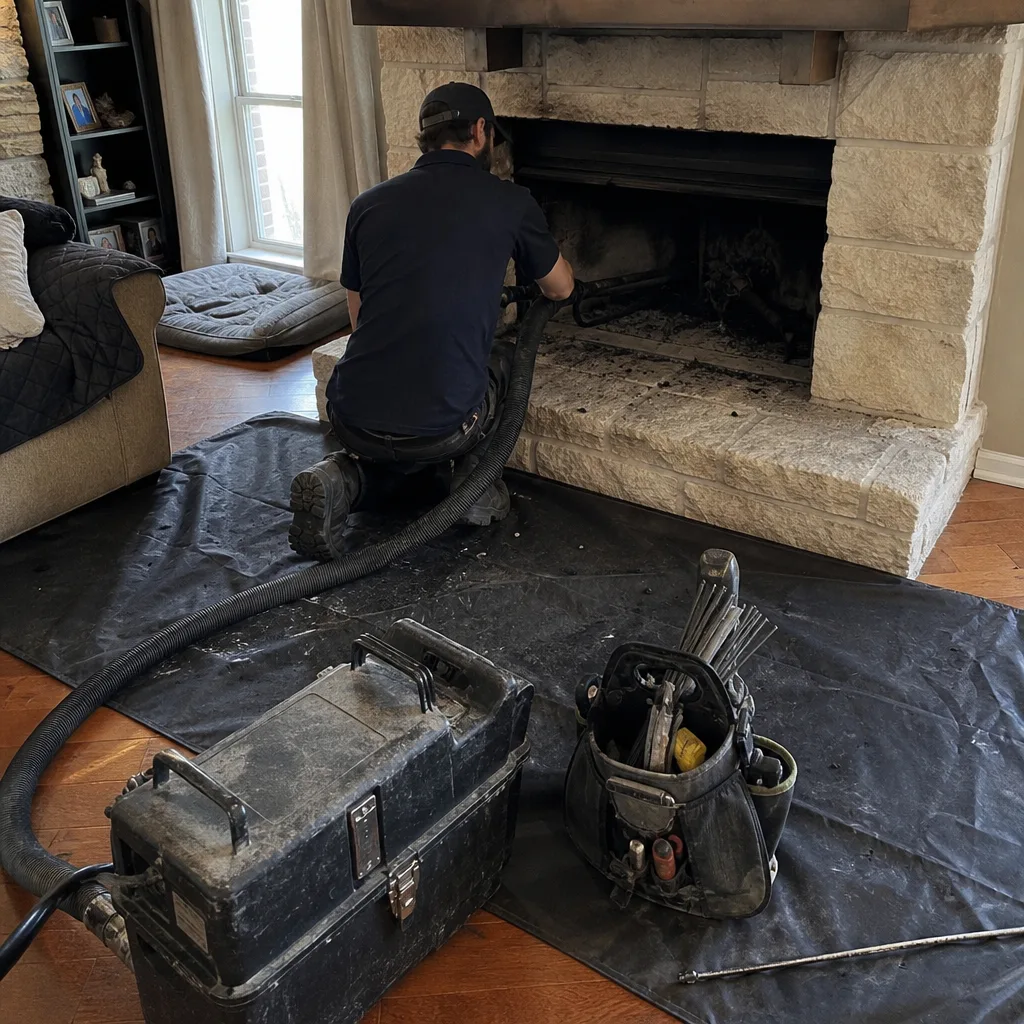 Before
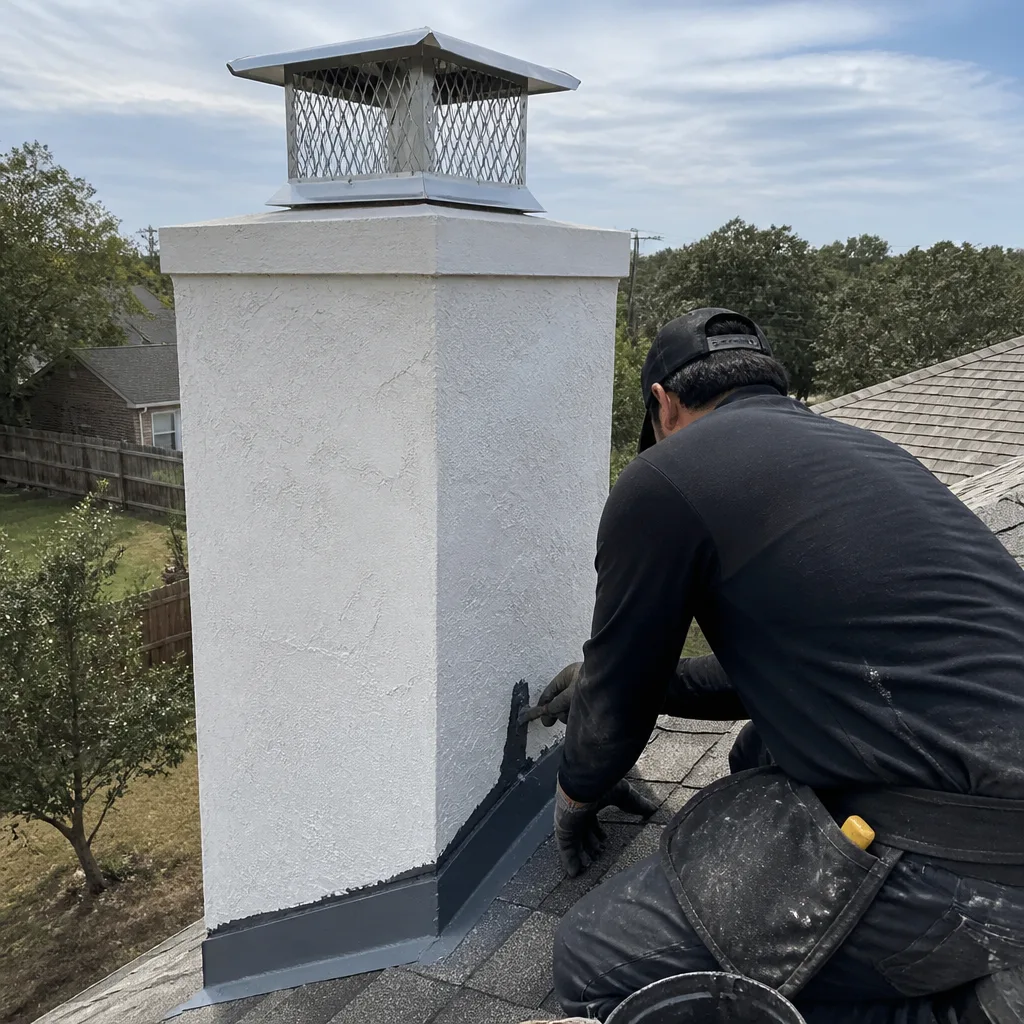 After
 Before
 After
 Before
 After