
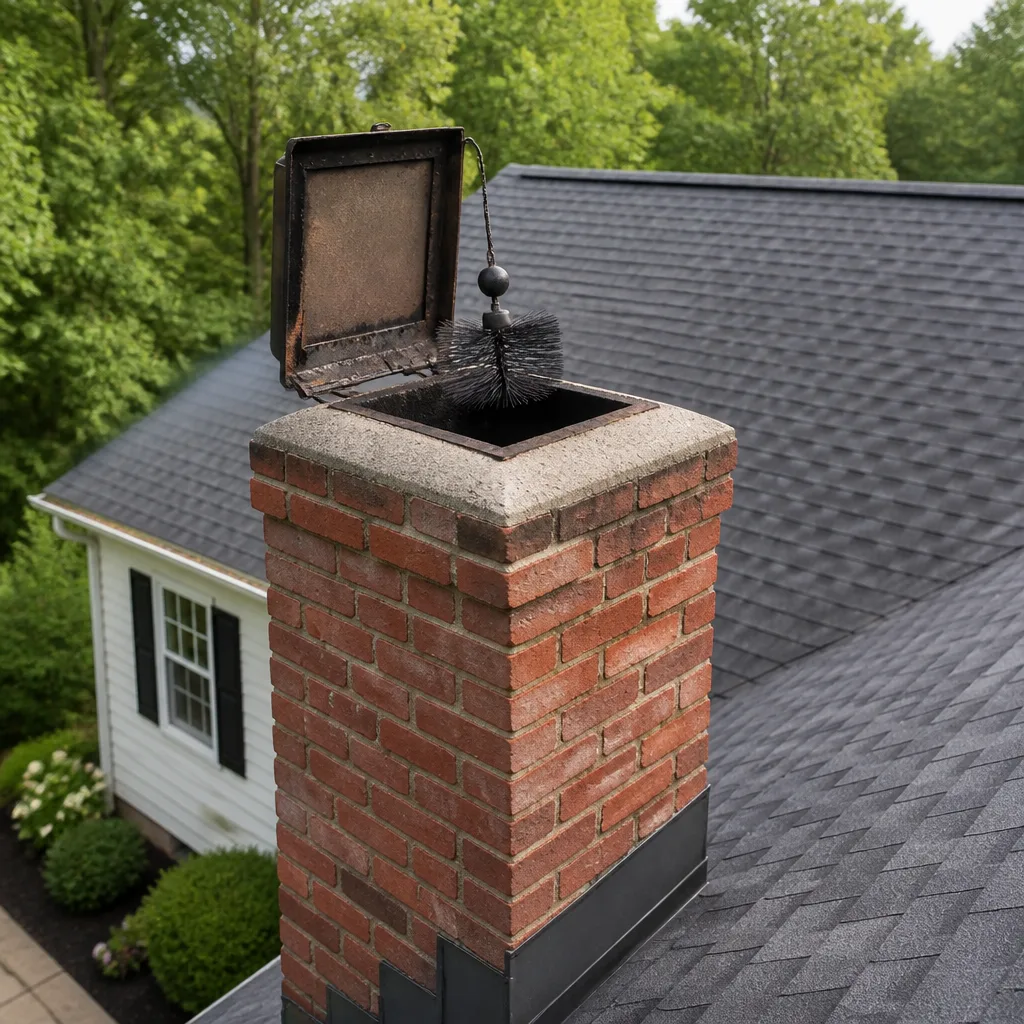
 Sweep & inspection
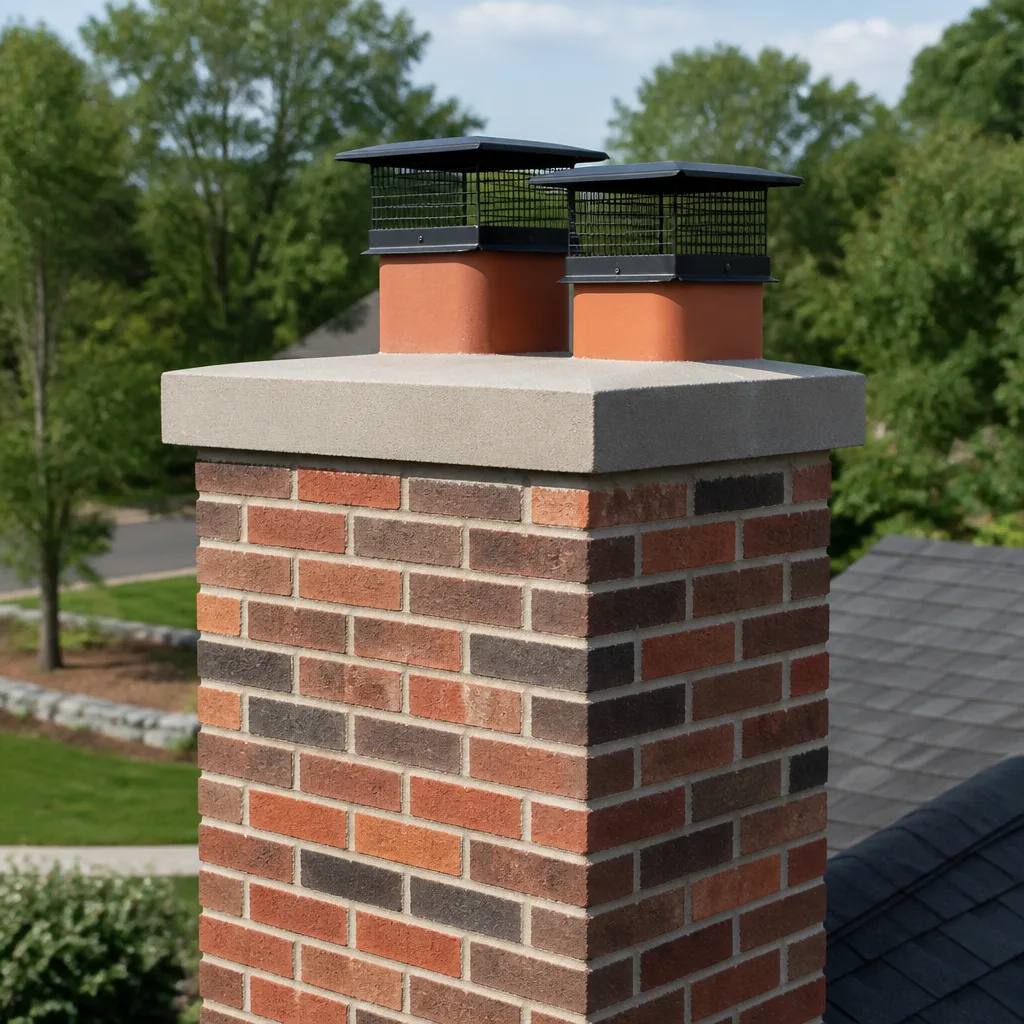 Caps & crowns
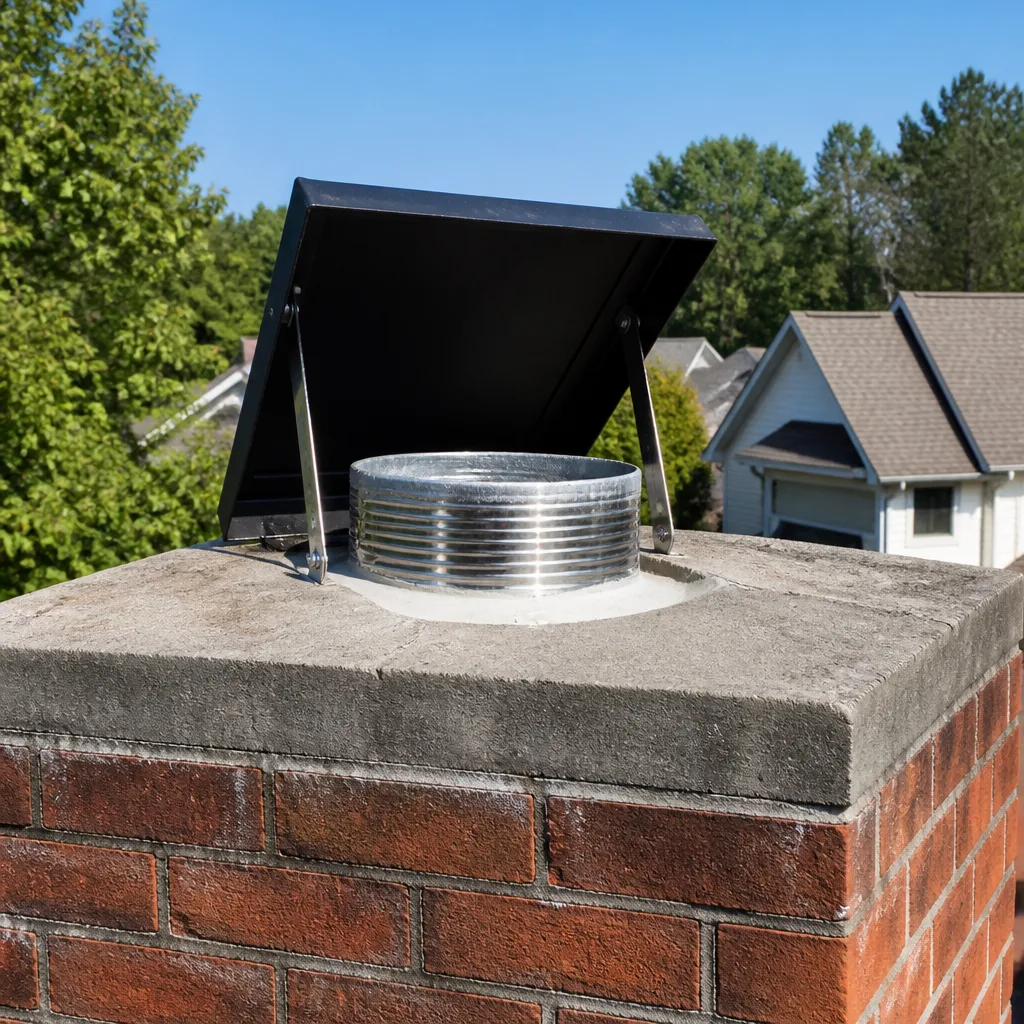 Flue relining
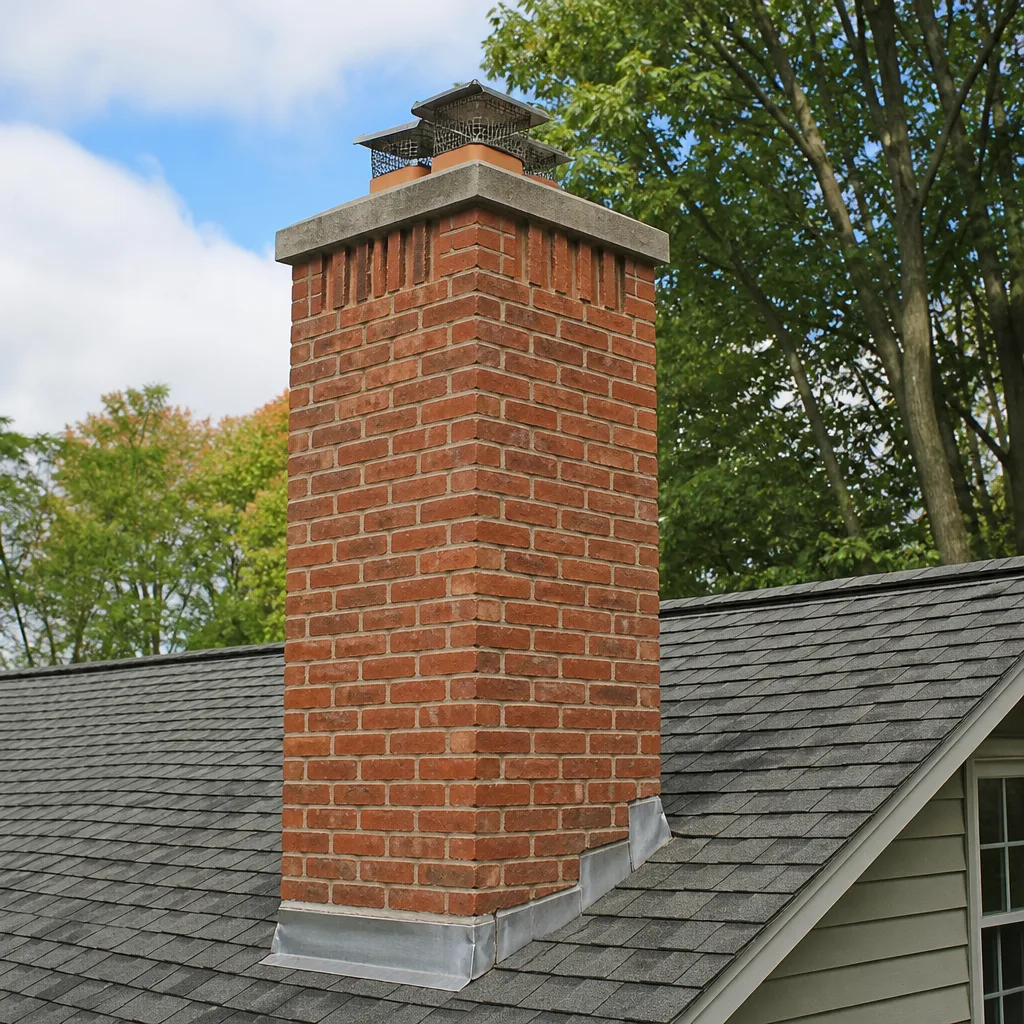 Masonry repair
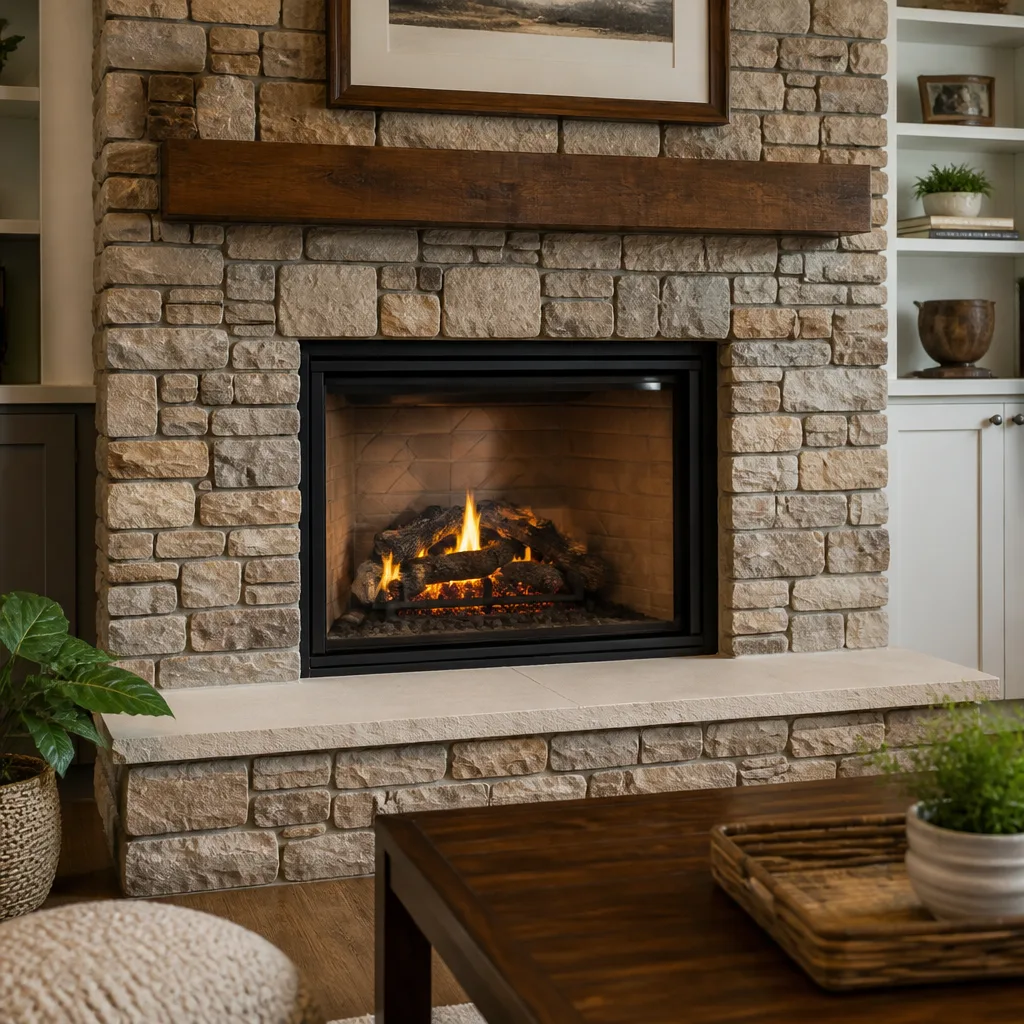 Gas fireplace service
Level 1 sweep and inspection to the NFPA 211 annual standard - flue, crown, cap, and flashing checked and photographed
Chimney sweep logs do not sweep chimneys. They loosen some creosote - which then falls where a brush and vacuum still have to collect it.
HeatShield Chimney Cleaning in Brushy Creek, TX | Boardwalk Chimney Sweep
We’re an independent Brushy Creek Chimney Sweep working across the 78717 ZIP, and we clean, inspect, and repair HeatShield liner systems in the 1990s and 2000s tract homes that dominate this area. The one thing that makes our HeatShield work here different is simple: we know these builder-grade chimneys were sized for gas logs, not the wood fires many Brushy Creek residents actually burn when the Hill Country gets a hard freeze. Call (877) 274-1247 for a free estimate, and we’ll tell you straight whether your HeatShield system is ready for the next cold snap.
Why Brushy Creek Residents Choose Us for HeatShield Service
HeatShield chimney liners are a specific animal. The ArmorFlex stainless liner, the TherMix insulation wrap, the Forever Flex line, the top plates and caps, they all age differently in Central Texas than they do up north where the heating season runs five months. Here, the long dry off-season lets creosote sit against the stainless wall. Then a sudden freeze hits and the whole system gets flexed by temperature change in a way it wasn’t during ten months of idling. Brent Holloway, our owner, came up through the HVAC and building systems program at ACC’s Riverside Campus and has worked every kind of flue you find in the Hill Country, including the HeatShield systems that went into Brushy Creek homes when the area was still half cedar scrub. He’s the person our crew calls when a HeatShield liner question doesn’t have an obvious answer. We also handle HeatShield in Cedar Park and surrounding areas. We repair what we inspect, and we work exclusively with the same professional-grade brands chimney industry folks specify nationwide, so when we tell you a HeatShield connector is salvageable or a liner needs replacing, that judgment comes from hands-on time with the product, not a sales script.
Styles & brands we work with
Common HeatShield Chimney Cleaning Problems We Solve in Brushy Creek
- Glazed creosote on HeatShield liner interiors – Brushy Creek homes that burn wood only during the two or three cold snaps each winter are actually the worst case for glazed creosote. The fire gets going, produces a full season’s worth of soot in one weekend, then everything sits for months against the stainless wall. By fall, that soot has hardened. A standard brush won’t touch it. We use rotary cleaning heads sized to the HeatShield liner diameter and get the wall back to bare stainless before the next burn.
- TherMix insulation wrap breakdown – The insulation wrap on HeatShield ArmorFlex liners can settle or degrade after years of intermittent hot-gas cycles. We see this on Brushy Creek liners where the home was converted from gas logs to wood. The wrap was rated for occasional use, not the heat cycling wood produces. When we find a settled wrap, you’ll know it because you’ll feel cold spots on the liner wall.
- Liner-to-appliance connector corrosion – Brushy Creek’s short builder-grade flue runs put stress on the connector fitting. The pipe expands and contracts through hard freezes, and if the connector was installed tight against the firebox collar, that thermal movement works the joint loose. We find these during Level 2 inspections, often before the homeowner notices any draft issue.
- Cap and top plate problems from tight lot placement – Brushy Creek’s master-planned subdivisions pack houses close. HeatShield caps that sit below a neighboring roofline collect debris, and birds find them because the cap is shaded and protected. A loose top plate invites water in from the next hard rain. We replace caps and reseat top plates as part of a standard cleaning call when the issue is visible from the roof.
- Draft issues that aren’t creosote at all – Sometimes a HeatShield liner is clean and the cap is fine, but the fireplace still smokes on cold snaps. In Brushy Creek, that’s frequently a termination height problem. The short chimney was okay for a gas log set, but wood-burning draft needs more vertical rise. We diagnose this from the roof and can recommend the right fix without guessing.
HeatShield Service in Brushy Creek: What Local Conditions Mean for Your Equipment
Brushy Creek’s subdivisions are the classic master-planned layout: 55-foot lots, six-foot side setbacks, and builder-grade chimneys that terminate at whatever height was cheapest in 2001. That’s the local condition most people never hear about. A HeatShield liner installed in a short flue on a tight lot can be mechanically sound and still draft poorly because the cap sits too close to the next roof over. HeatShield’s own installation specs assume a minimum termination height relative to nearby structures, and Brushy Creek rooflines regularly violate that assumption. When we inspect a HeatShield system here, we don’t start at the firebox. We start on the roof, looking at cap height, distance to the neighboring roof plane, and whether the cap is even visible from the ground. It frequently isn’t. That’s why a roof-level inspection is essential, not optional, in this ZIP. A brush run through the flue won’t tell you the cap is ten feet behind the ridge of the house next door. Our crew knows which Brushy Creek streets have the tightest setbacks and checks accordingly. This is also why we see more bird nesting in HeatShield caps here than in neighboring cities with bigger lots and higher chimneys.
HeatShield Models & Products We Service in Brushy Creek
We service the full HeatShield residential line: ArmorFlex stainless liners, TherMix insulation wraps, Forever Flex liners, and the top plates and cap assemblies that finish the system. For connector and seal work, we use HeatShield-compatible OEM hardware where it matters for fit and safety, and quality aftermarket components where they meet the same spec. We keep common connection hardware and cap sizes stocked for fast turnaround on Brushy Creek calls, especially during the fall sweep season when half the neighborhood books a cleaning in the same two weeks. If your liner itself is compromised, we replace it. If it’s sound, we won’t try to sell you one. Call (877) 274-1247 and we’ll tell you which camp your system is in.
See the difference
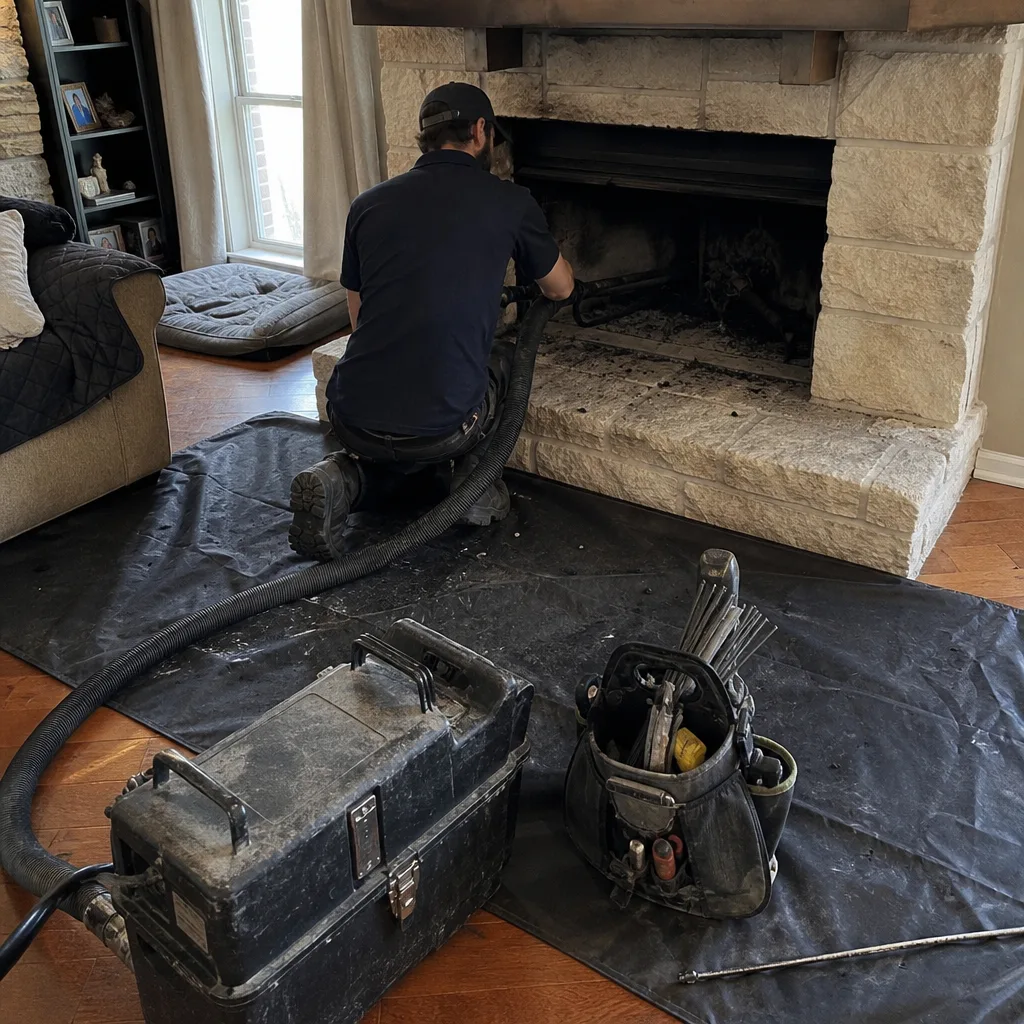 Before
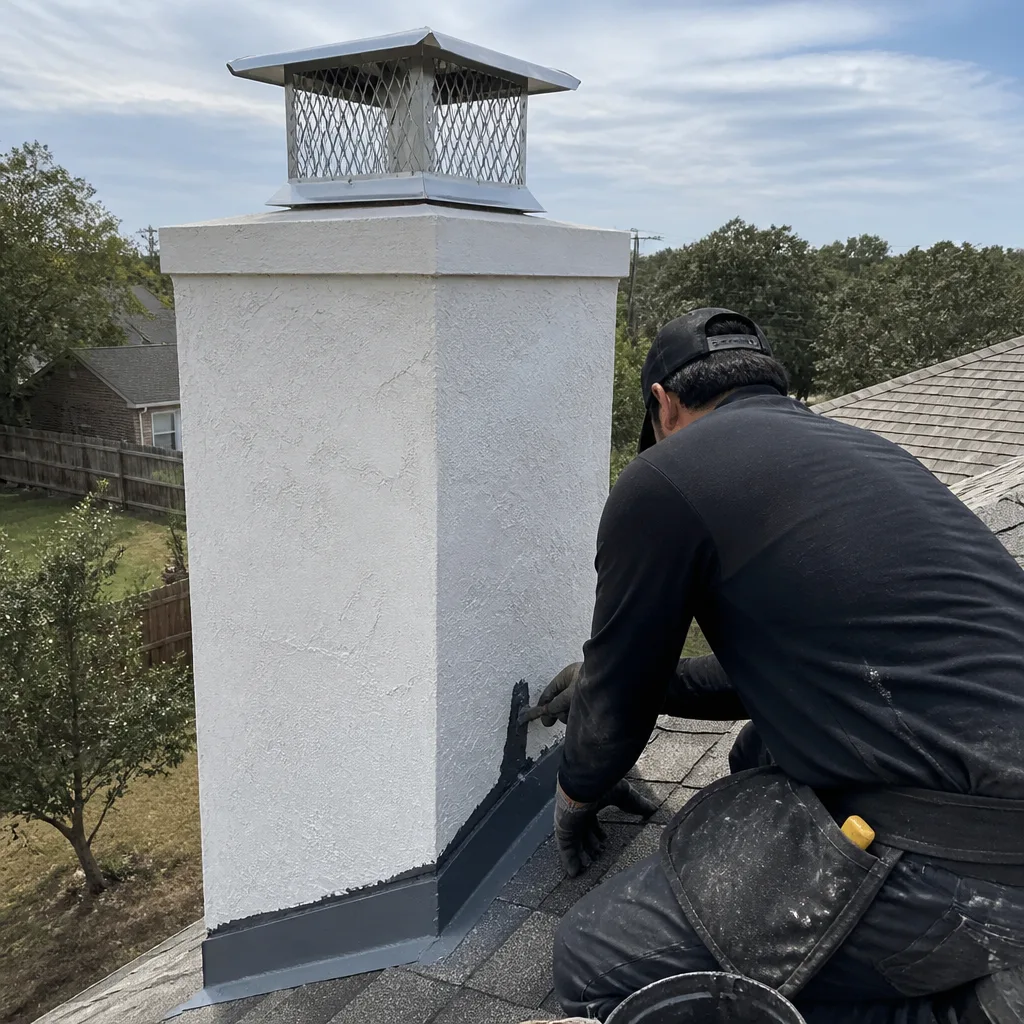 After
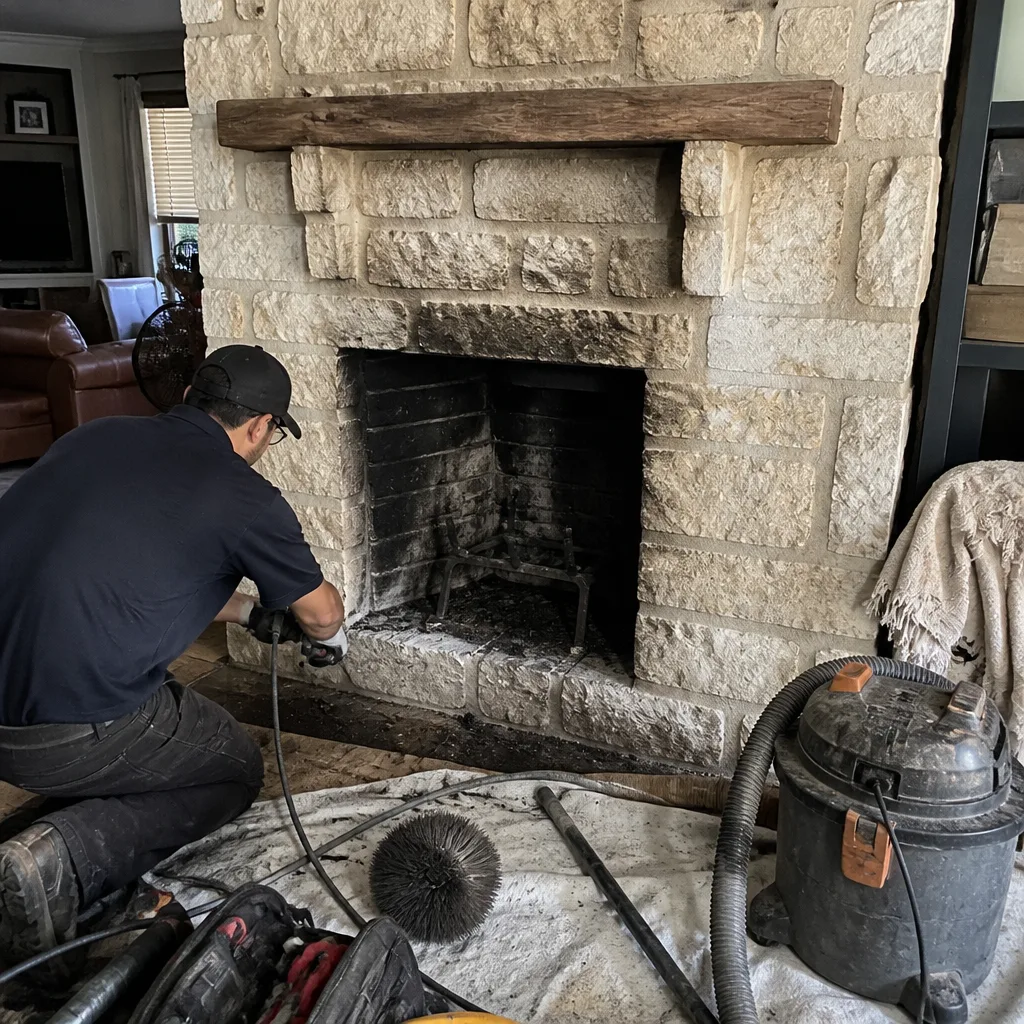 Before
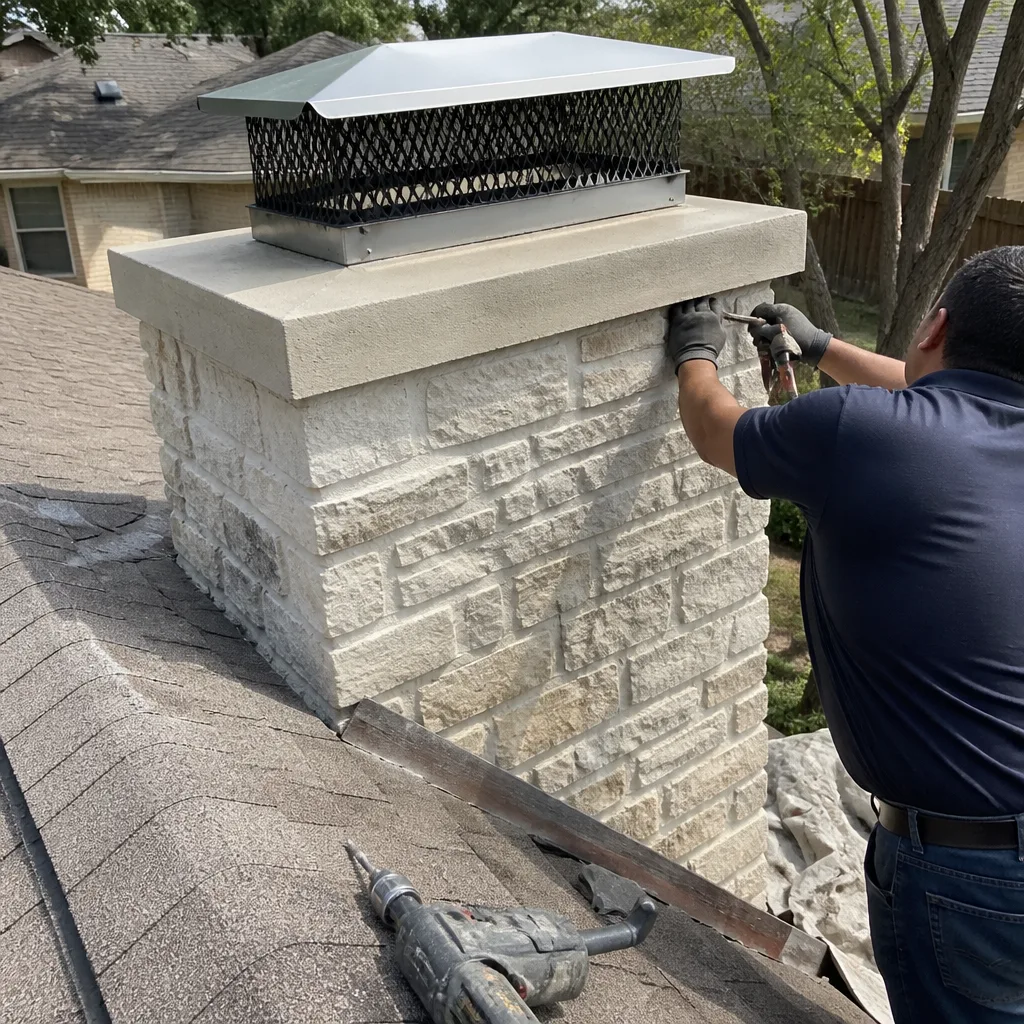 After
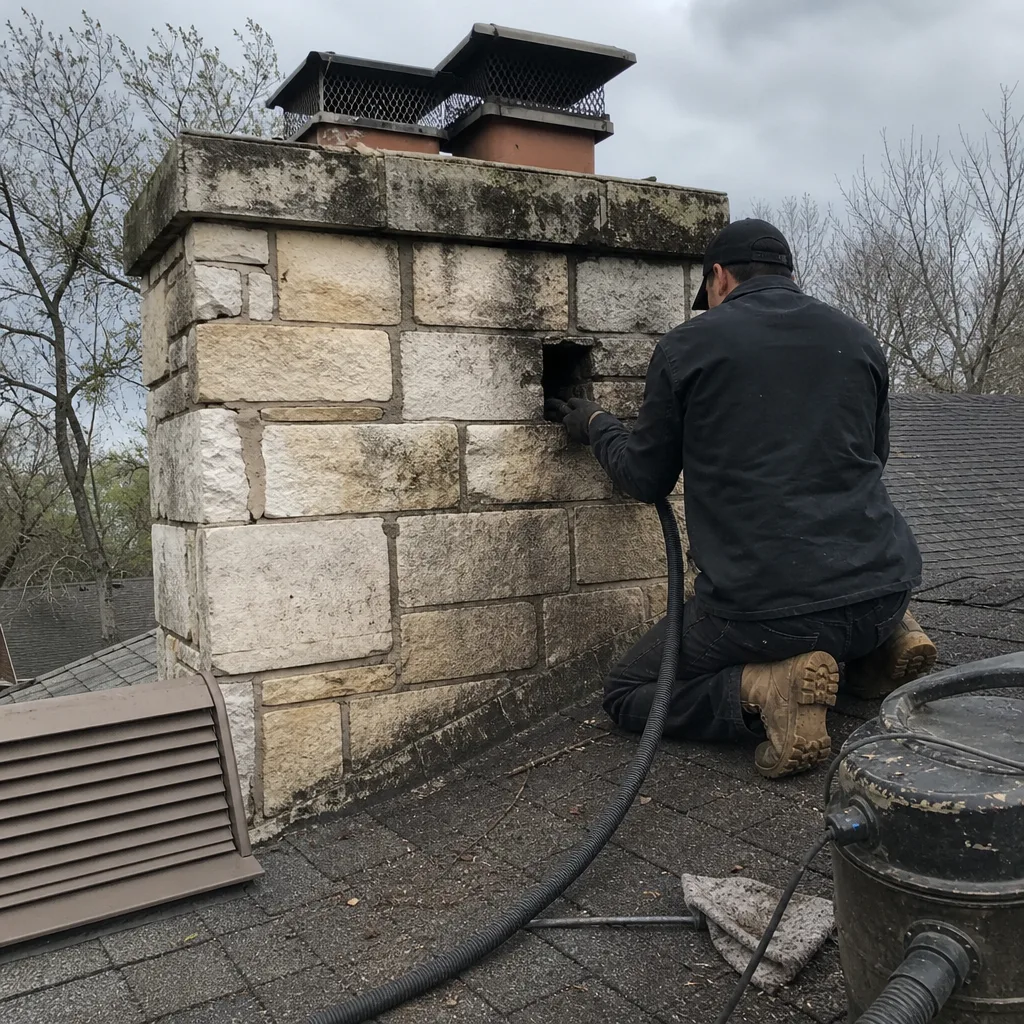 Before
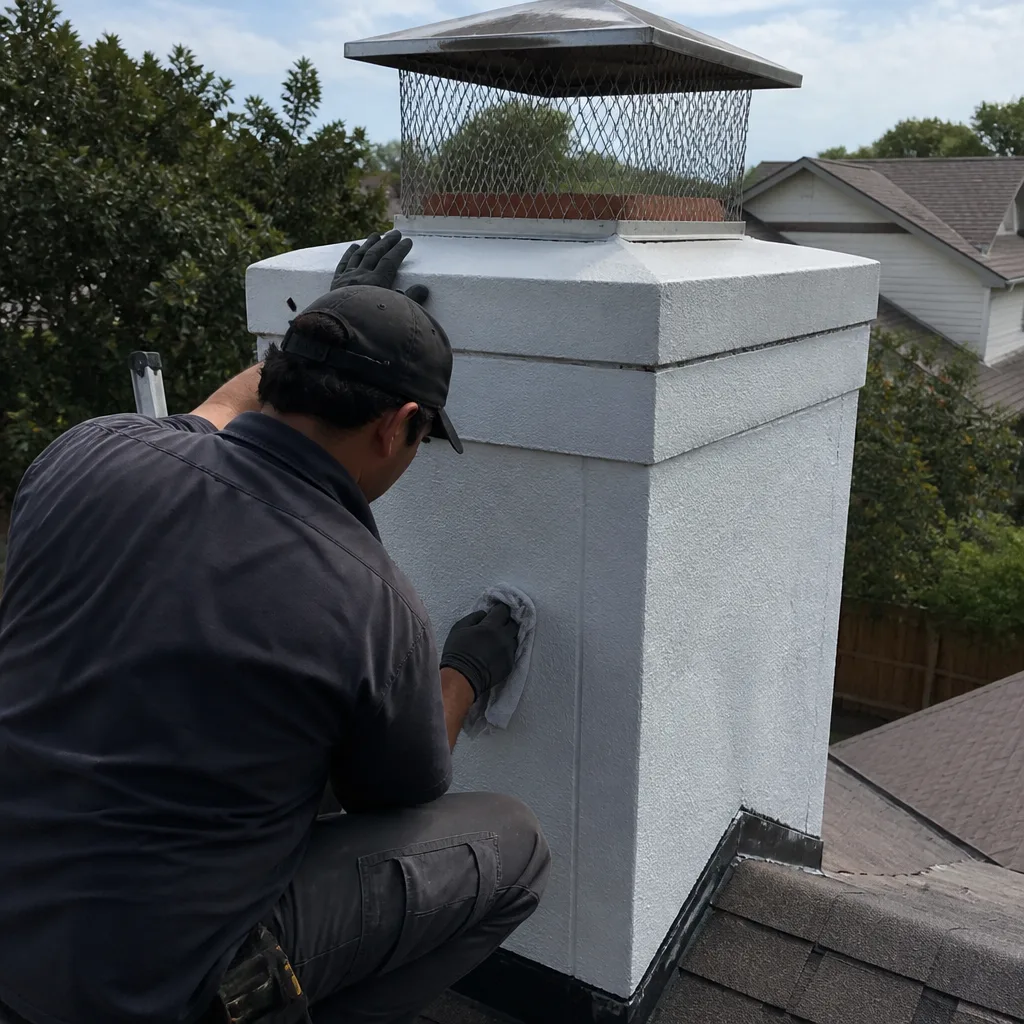 After
HeatShield Service Pricing in Brushy Creek
On average, a full HeatShield chimney cleaning in Brushy Creek runs between $199 and $359, depending on liner condition, creosote glaze level, and whether a Level 2 inspection is part of the work. A standard sweep with creosote removal typically lands in the $229 to $329 range. If we find a damaged cap or loose top plate, cap replacement adds roughly $150 to $400 depending on the part and the access. Liner repair or replacement is priced per job after a camera inspection, which shows you exactly what we’re seeing. We don’t quote liner work from the ground, and we don’t recommend work we can’t show you. Our estimates are free, and the number is (877) 274-1247.
Key Takeaways:
- We service HeatShield ArmorFlex, Forever Flex, TherMix wraps, and cap assemblies in Brushy Creek.
- Brushy Creek’s short builder-grade flues and tight lot setbacks change how HeatShield systems actually perform.
- Roof-level inspection is standard here, not an upsell. Caps below neighboring rooflines hide problems.
- We use OEM-compatible connection hardware and replace liners only when the stainless is actually compromised.
Serving Brushy Creek, TX — Our Local Coverage Area
We’re based in the Brushy Creek area and know this community well. We also provide HeatShield repair in Anderson Mill and nearby communities. Use the map below to see our service coverage — if you’re nearby, we can almost certainly help.
FAQs – HeatShield Chimney Cleaning in Brushy Creek
A Level 1 inspection is adequate if nothing has changed since the last sweep: same fuel, same liner, same usage pattern. But most Brushy Creek homeowners we meet have changed something. They converted from gas logs to wood, or they bought the house and don’t know the liner’s history, or the chimney hasn’t been inspected since the Obama administration. In those cases, a Level 2 inspection is the right call, and it’s what we recommend for any HeatShield system that hasn’t been camera-checked in the last three years. Call (877) 274-1247 and we’ll help you figure out which level applies.
Not necessarily. A HeatShield liner sized for gas logs may not have the diameter or the insulation wrap rating for wood-burning temperatures, and Brushy Creek homes convert to wood all the time without checking. Wood fire exhaust runs hotter and produces creosote, which gas doesn’t. If the liner wall and insulation weren’t specified for that heat load, you’re flirting with a chimney fire. We can inspect the liner, check the wrap, and tell you whether the system can handle wood or needs a retrofit. The honest answer is sometimes no. Get the real answer before the next burn season by calling (877) 274-1247.
In this ZIP, the most common reason is termination height. Brushy Creek’s short builder-grade chimneys often sit at or below the height of nearby roof planes, and cold snap inversions make the draft sluggish. A clean HeatShield liner can’t overcome a cap that’s too low. We check cap height and distance to neighboring rooflines as part of the roof-level inspection, and if the cap is the problem, the fix is a cap extension or relocating the termination, not more sweeping. Call (877) 274-1247 and we’ll take a look from the roof.
Any creosote buildup over 1/8 inch is a safety issue, regardless of liner material. Stainless doesn’t make creosote less flammable. On Brushy Creek liners that only burn during cold snaps, we regularly find a hard glazed layer that a standard brush skips right over. If the buildup is glazed, it needs a rotary sweep. If it’s thick and sticky, it’s a serious fire risk and the fireplace should stay cold until it’s cleaned. The threshold for action isn’t a feeling; it’s measurable. We’ll show you the liner condition on camera, so you know exactly what you’re working with.
You can absolutely replace just the cap. HeatShield caps and top plates are separate components, and a damaged cap doesn’t mean the liner below is bad. We replace caps on Brushy Creek chimneys all the time, often because birds have nested against them or wind has loosened the top plate. The liner only gets replaced when the stainless itself is compromised: corrosion through the wall, a failed weld, or a sizing problem that can’t be fixed with a connector. Call (877) 274-1247 and we’ll give you the straight answer after a rooftop look.
Service Areas Near Brushy Creek
We serve Brushy Creek and the surrounding Hill Country communities. That includes HeatShield service in Windemere, just north of the creek, and HeatShield service in Wells Branch to the east. We also work in Lago Vista, Lakeway, and Bee Cave. If you’re near Brushy Creek and wondering whether we cover your street, the Brushy Creek service area page lists everything. The short answer: yes, we’re in your neighborhood regularly.
Book Your HeatShield Service in Brushy Creek Today
Fall sweep slots in Brushy Creek fill up fast, especially the two weeks before the first hard freeze. If you haven’t had your HeatShield system looked at since last burn season, now’s the time. Call (877) 274-1247 for a free estimate, and we’ll get you on the schedule before the cold snap hits. We also offer HeatShield sales & service across the greater Austin area, so wherever you are, the same crew and the same standard apply.
Written by Brent Holloway, Owner at Boardwalk Chimney Sweep, serving Brushy Creek and the surrounding Hill Country.